A specialized steering wheel developed by researchers improves driver autonomy interaction, enhancing trust and reducing confusion during semi-autonomous driving.
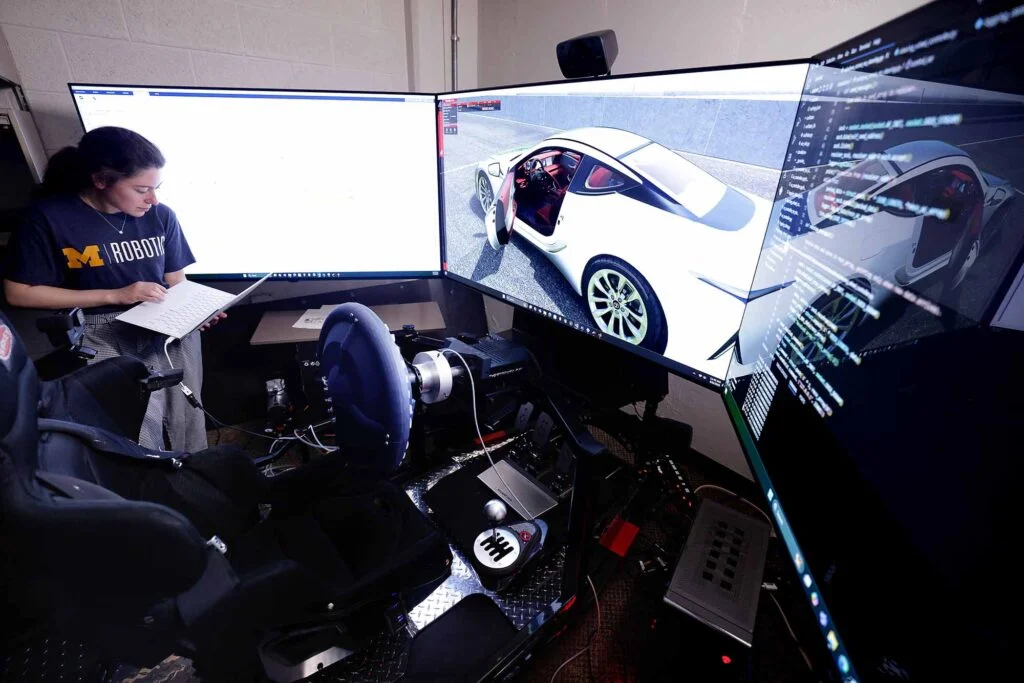
Research from the University of Michigan Engineering, supported by the Toyota Research Institute, has introduced a unique steering wheel designed to enhance driver interaction with semi-autonomous vehicles. This steering wheel features haptic feedback zones that communicate intentions between the driver and the automated system, fostering improved negotiation and collaboration. What stands out here is not just the technology itself, but the potential shift it implies for how drivers interact with increasingly automated systems on the road.
Enhancing Communication Through Haptic Feedback
Traditionally, semi-autonomous vehicles have relied on beeps, flashing lights, and other intrusive alerts to communicate with drivers. This type of information delivery can create a sense of frustration and even antagonism between users and technology. Drivers often feel overwhelmed and combative, particularly when they disagree with the vehicle's automated decisions. Such conflicts can lead to reduced trust in the system and, consequently, hinder the adoption of potentially life-saving features.
Hannah Báez, a Ph.D. student in robotics and co-author of the study published in *Human Factors*, explains the innovative approach taken in this research: “To improve driver communication with automation, we added two haptic zones onto a steering wheel at 10 o’clock and 2 o’clock that can expand or contract to express the intention of the automated system.” This nuanced interaction isn't merely a technical enhancement—it also represents a fundamental shift from a top-down, one-size-fits-all communication method to a more interactive and user-friendly feedback mechanism.
This functionality allows drivers to signal their agreement or disagreement by squeezing the haptic zones, enabling a collaborative decision-making process before the vehicle executes any autonomous maneuver. And this is the part most people overlook: the psychological aspect of driving isn't just about control; it's about partnership. When drivers feel like they have a say, their engagement—and ultimately their satisfaction—tends to improve significantly.

Results from User Testing
The research team conducted experiments where drivers navigated turns in a simulated environment. As the vehicle initiated a turn, the corresponding side of the steering wheel would inflate to indicate its intent. If a driver disagreed, they could squeeze the wheel to express their preference, resulting in a negotiation process that altered the direction of the turn. In circumstances where unexpected obstacles emerged, the steering wheel provided tactile confirmations to warn the driver.
Data from these simulations indicate that the haptic steering wheel leads to noticeable improvements in driving performance. Brent Gillespie, a professor of robotics and lead author, noted, “Drivers displayed smoother, more accurate driving paths, fought less with automation, and used less braking with more confidence in their maneuvers.” Participants reported that the two-way communication model reduced their workload, frustration, and physical strain. Simply put, a more communicative system means less cognitive offloading, allowing for smoother interactions between human and machine.

Restoring Trust in Automation
Another significant outcome revealed that when the automated system made errors, the haptic negotiation interface restored driver confidence much more quickly compared to traditional one-way communication. The researchers attribute this to enhanced teamwork, where both the driver and automation engage in a dialogue, leading to better transparency in decision-making. Trust issues have often plagued semi-autonomous technology, and a system that allows for negotiation helps mitigate this concern.
However, the study also observed an intriguing twist: some drivers became overly reliant on the system following successful negotiations. This finding raises important questions about the balance between trust and responsibility. After all, can a system designed to enhance collaboration unintentionally lead to complacency? As research highlights the benefits of two-way communication, it also opens the door for a deeper investigation into the implications of trust and human-automation interaction strategies.
As researchers push for an environment conducive to driver satisfaction and safety, they’re challenging the prevalent model of one-way information dissemination that’s been the norm. This method lacks the nuance necessary for effective collaboration, risking both safety and user satisfaction.
Additional authors of the study include Haochi Pan and Nadine Sarter from the University of Michigan and Jean Costa and John Gideon from the Toyota Research Institute. The technology is protected under U.S. patent US12227190B2, with further efforts underway to engage partners for market introduction.
Looking Ahead: The Future of Driver Interaction
If you're working in this space, the implications of this research might be worth your attention. As automated systems become more prevalent, how we communicate with these technologies will redefine user experience well beyond mere functionality. What this means for you is that the traditional dynamics of driving are shifting; communication will be paramount. The haptic steering wheel is a promising step forward, showcasing that emotional and cognitive factors can no longer be sidelined in the design of vehicle interfaces.
The journey from a one-way communication model to a collaborative one isn’t just about improving driving; it’s about creating trust, enhancing safety, and ultimately redefining the relationship between man and machine. Time will tell how well this research translates to real-world applications, but the potential is set for a transformative shift in human-vehicle interaction.



Discussion
Sign in to join the discussion.