Connecting Through Poetry: Elizabeth Alexander's Insights on Humanity and Democracy
Published Sep 21, 2026Reads 990By Sean Carroll
Elizabeth Alexander's *Signals Across Vast Distances* illuminates how poetry can enhance empathy and nurture democratic values in a diverse society.
Exploring the Humanity in Humanities
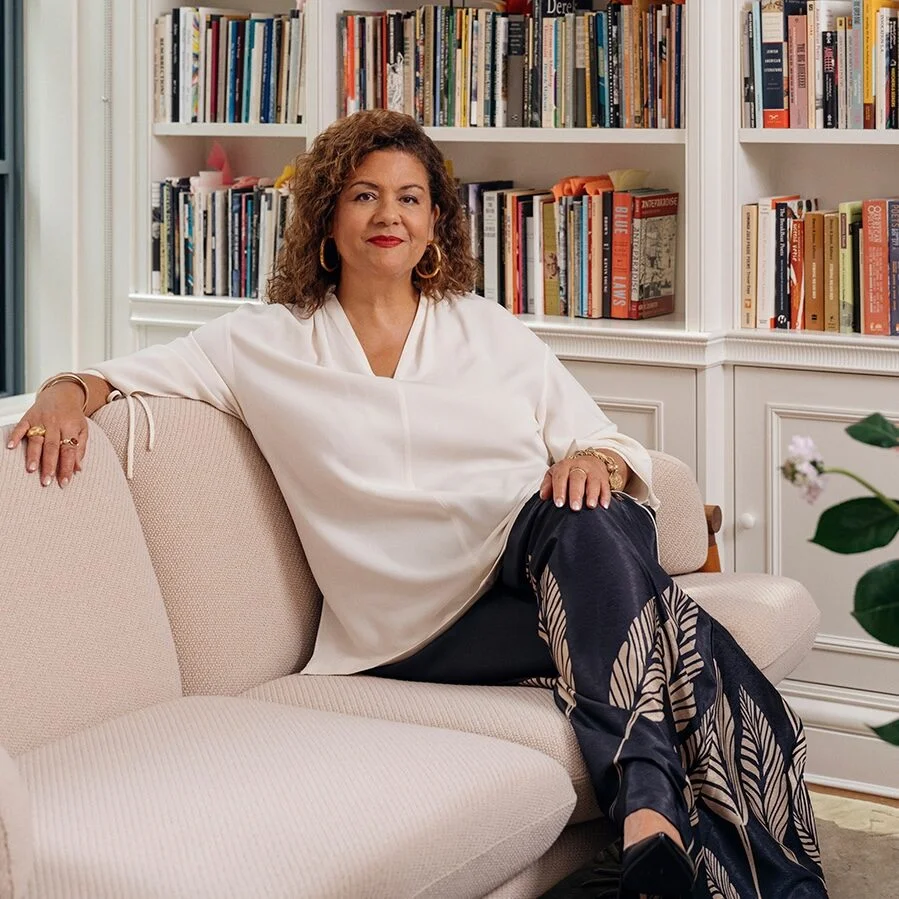
Modern society often creates barriers to our collective humanity, making it tough to connect meaningfully with one another. This division has put the spotlight on the role that the humanities, particularly literature and poetry, can play in bridging these gaps. In her insightful new book, *Signals Across Vast Distances*, poet Elizabeth Alexander examines how the arts can enhance our empathy, cultivating a sense of shared humanity that is vital for any thriving democracy.
Alexander's exploration raises an important point: the necessity of fostering understanding in a diverse society. This isn't merely an academic exercise; it's a fundamental element of democratic life. By engaging with the humanities, we can confront our differences head-on and practice the vital skills of empathy and dialogue. Alexander’s background enhances her authority on this subject; she holds a Ph.D. in English from the University of Pennsylvania and has served as the President of the Andrew W. Mellon Foundation, highlighting her commitment to the arts and education.
On top of that, she gained national attention for her poetry when she recited her work at Barack Obama's inauguration in 2009. Her accolades, including a Guggenheim Fellowship and multiple Pushcart Prizes, further underscore her standing as a significant voice in contemporary literature. With *Signals Across Vast Distances*, she seeks not just to ignite interest in poetry as an art form but to assert its importance in nurturing democratic values.
The Power of Poetry to Foster Connection
Elizabeth Alexander's arguments pivot on a compelling connection between poetry and democracy. She advocates for the understanding that poetry and other forms of art are not just accessories to democratic discourse but are foundational. They represent society's values and can shape public consciousness. This perspective prompts us to reflect: how can we elevate the conversations happening within our communities when artistic expression often struggles against forces of censorship and restriction?
In her discussions, Alexander does more than champion poetry; she situates it within the broader context of the human experience. Poetry is a vessel for expressing complex emotions and ideas, and probably a more impactful medium than many care to acknowledge. The data regarding art and culture in public discourse highlights that societies that foster artistic voices often exhibit higher levels of innovation and adaptability.
When we read poetry, we aren’t just consuming words; we are partaking in a dialogue that spans generations and cultures. Alexander suggests that by nurturing this dialogue, we can better articulate shared values and challenge harmful assumptions about ourselves and others.
So if you're working in the humanities or adjacent fields, consider this: Alexander's thesis invites all of us to adopt the role of the poet. It encourages us to use language not as a tool for division but as a bridge for understanding and connection. How can we actively engage with art in our lives to foster dialogue and empathy?
Ultimately, the reminder here is clear: poetry is more than mere words on a page. It embodies the potential for deeper connections. Alexander's thoughtful examination serves as a rallying cry for those who appreciate the arts as essential companions in the quest for a thoughtful, inclusive society.
Accessibility in Poetry: A Matter of Clarity and Engagement
The conversation around poetry often circles back to its accessibility. Is it clear and inviting or wrapped in layers that can alienate? This tension is palpable in what poets must confront: writing in a way that invites readers in while still maintaining depth. In one instance, the idea is articulated that poetry shouldn't merely be a one-time experience. Rather, it should offer rewards on revisit, offering layers and nuances with each reading. If a poem can be grasped immediately and then forgotten, then it likely lacks the richness that engages and provokes thought.
There's a pressing need for poetry to reflect our human experience. The best poems aren't just about lofty themes; they capture our everyday connections and struggles. As one poet succinctly puts it, "Are we not of interest to each other?" That question serves not just as a provocative end to a piece but as an invitation to seek connection. Poetry, as an art form, is uniquely suited to forge these bonds, reminding readers of their shared humanity.
What’s compelling here is the suggestion that language itself is a wonder. Words in poetry can carry multiple meanings, and that inherent complexity is something to embrace rather than avoid. A close reading of a poem prompts us to pause, dissect, and ponder — from the minute word choices to the spacing between lines. It’s through this intricate engagement that we find the heart of the poem, turning each reading into nearly a meditative experience.
The Challenge of Depth in a Fast-Paced World
In our current cultural climate, where rapid consumption of information is the norm, the value of deep, intentional reading seems threatened. With the average attention span degrading, there’s a palpable frustration among writers and readers alike. The act of simply slowing down to contemplate a poem feels almost rebellious now, yet it’s this very practice that can enhance our understanding of not just poetry but the wider world around us.
The process of close reading extends beyond literary analysis; it's a form of critical thinking that equips individuals to navigate the noise of modern communication. Every poem unravels countless threads, revealing complexities behind straightforward lines. This skillset is essential, especially when considering how language can be wielded as a tool for both connection and manipulation. Poets, in their mastery of verbal precision, remind us of the profound impact of words—both in art and in life.
Many poets advocate for a physicality in their writing process, where movement, like walking, aligns with the rhythm of their verse. This interplay between motion and thought underscores the embodiment of poetry; it’s not merely about the words on a page but the pulse of the breath behind them. This connection to the body offers readers a way to engage, to find a meditative state that echoes the artistic intent.
Reading Poetry as a Community Experience
As we navigate through these dense layers of meaning, the conversation suggests a community aspect to reading poetry. Engaging with others—discussing, sharing interpretations—can lead to greater clarity and a deeper appreciation for the craft. There’s often a hesitation among people about approaching poetry, as if they’re being weighed against an invisible standard of knowledge. Counteracting this unease requires a shift in perspective: poetry ought to be a shared journey rather than an isolated endeavor.
By reading poetry out loud or discussing it in groups, we dismantle the barriers that make this art form seem daunting. Each reading can uncover new elements, insights that were missed in previous encounters. This shared examination accentuates the notion that poetry is not just for an elite few but a collective experience that can resonate across diverse backgrounds, inviting multiple interpretations and encouraging a sense of communion.
Ultimately, as society grapples with an increasingly fragmented discourse, poetry remains a tool for empathy. It holds the potential to bridge gaps between different experiences, urging dialogue and understanding where division often prevails. The practice of close reading and meaningful engagement with poetry not only enriches our appreciation of this art form but also fosters a more compassionate community.
Art as a Catalyst for Unity
What stands out from this discussion is the powerful role that art plays in fostering community and understanding among individuals. The idea that our collective experiences—whether through art or literature—forge connections is more profound than it is often recognized. When we engage with art, whether it’s in a gallery, a classroom, or even on the street corner, we are not just spectators; we are participants in a shared journey. Plotting where this leads us is critical in light of contemporary societal issues. If we fail to aim for a truly inclusive vision of society, one where everyone is valued equally, we risk perpetuating divisions that only serve to fragment our communities.
The Precision of Language
The conversation touches on something particularly crucial: the manner in which language is utilized in today's political climate. The misrepresentation and dehumanization of individuals is alarmingly common, and it’s more than just a byproduct of lofty rhetoric. The language we use can uplift or it can harm; it can invite dialogue or incite division. This isn't merely about etiquette in conversation; it has real repercussions on democracy. Engaging thoughtfully with language isn’t just a nicety—it’s a necessity.
This leads us to an essential question not just for art and poetry, but for any discourse: Are we listening as much as we’re speaking? The art of persuasion must be balanced with the art of listening. The process of understanding one another—whether it’s through a beautifully crafted poem or a compelling narrative—invites a reciprocal exchange. If we are to aspire towards a more equitable world, this is where we must start.
Processing Grief Through Writing
As we delve deeper into the discussion, the nuances of dealing with personal tragedy come to light. Writing, particularly about loss, can serve as a powerful method for processing grief. The reflection on the loss of a loved one and the surprising impulse to articulate that experience confirms a truth many writers face: the act of writing often becomes a means of anchoring oneself amidst chaos. This notion resonates with many creatives who grapple with the urge to write about their pain versus the fear of exposing too much.
Why does this matter? The legacy we leave through our words can be a testament to those we've lost and the lives they've touched. There’s an inherent responsibility in articulating these experiences, weaving our individual narratives into the broader tapestry of human experience.
Poetry Versus Prose: The Connection
Lastly, the distinction between poetry and prose and their interconnectedness can’t be understated. The essence of poetry often resides in its economy of language. Every word is deliberate, intended to evoke emotion and contemplation, while prose allows for greater elaboration yet should similarly strive for precision. This tension invites us to consider how we approach writing in both forms; are we thinking about the weight of our words regardless of format?
As we look toward the future, the challenge will be maintaining that currency of thought in both creative and conversational realms. If you’re immersed in writing or any form of expression, remember that every word has power. Let's harness it—not just to tell our stories, but to invite understanding and create unity in a world that desperately needs it.
Discussion
Sign in to join the discussion.