A recent study shows that low doses of dicamba herbicide may unintentionally stimulate floral production in the common weed oxalis, challenging herbicide effectiveness.
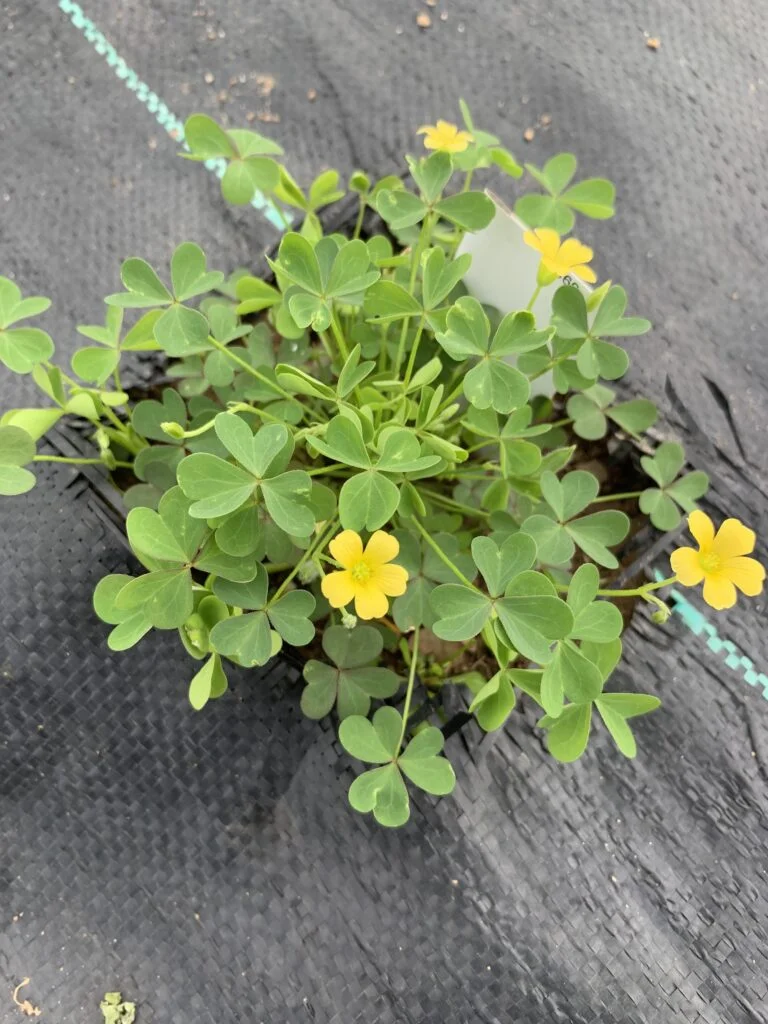
A recent study by researchers at the University of Michigan has uncovered an unexpected effect of the herbicide dicamba on the common weed oxalis, also known as wood sorrel. This research indicates that low doses of dicamba can actually enhance flower production in these weeds, raising concerns regarding the implications for agricultural practices.
Examining the unintended consequences of herbicide use, the study reveals that many people, including homeowners and farmers, may unknowingly boost the resilience of weeds surrounding treated areas. The findings were published in the journal New Phytologist.
Lead author Anah Botran and her team observed that when oxalis plants were subjected to low levels of dicamba, they produced a greater number of flowers compared to untreated controls. Regina Baucom, a professor of ecology and evolutionary biology and senior author of the study, emphasized the widespread ignorance of this potential consequence among herbicide users. “The general public uses herbicides in their lawn to kill weeds. They probably don’t even know this is a potential side effect or something that can happen,” she stated.
Understanding Herbicide Drift and Its Impact
Dicamba often drifts from target application areas due to air currents, landing on neighboring plants at sub-lethal doses. Even if these plants don’t receive a lethal amount, they can still be significantly influenced by the chemical. This is where the concept of "hormesis" comes into play. Hormesis is a phenomenon first identified in the early 20th century, which posits that low doses of a toxin can stimulate growth or health benefits, rather than causing harm. This idea is crucial for understanding how some plants may respond to herbicides.
To explore this concept, the researchers conducted an experiment by planting fields of oxalis, treating half with low doses of dicamba while leaving the other half untreated. The results were revealing: over the study period, the treated plants outperformed their untreated counterparts in floral production during the first year, with a suggestion of increased seed production as well. However, this positive response faded in the following year, highlighting a time-limited effect—a point that warns against the simplistic view of herbicides merely damaging plants. What’s clear here is that the relationship between chemicals and plant growth can be more complex than it seems.
Limitations of the Findings
A significant aspect of the research was to determine whether the increased floral output in oxalis could be inherited, suggesting a possible evolutionary response. Baucom explained, “We found no evidence of genetic variation. What we’ve captured is basically just a single-generation response of the plants being exposed to low doses of dicamba.” This indicates that while the plants may thrive temporarily under the herbicide's influence, there’s no evidence that such traits would propagate in future generations. From an ecological perspective, this raises questions about the longevity of these changes and their implications for weed management.
In addition to hormonal effects, the researchers analyzed how these increased flower numbers affected pollinator behavior. Surprisingly, they found that the treated plants, despite producing more flowers, experienced a decrease in individual flower visitation rates by pollinators. Here’s the thing: the overall abundance of flowers could lead to increased competition for pollinators, ultimately altering the dynamics of pollination in a way that reduces the effectiveness of these flowers to attract bees and other essential species. A vibrant field of flowers does not necessarily mean a healthy ecosystem.
Future Directions and Implications for Ecology
Baucom pointed out that while the study showed no genetic adaptability in the oxalis population studied, it opens doors to exploring how other weed species might react differently to similar exposure. Plants are remarkably diverse in their responses to environmental stressors, and such variability can present profound insights for researchers interested in both weed management and ecotoxicology. If you're working in this space, understanding these nuances is critical.
The next phase of the research, as suggested by the team, will examine whether pollinators receive sufficient nutrition from the potentially smaller flowers produced by dicamba-exposed plants. This presents an intriguing area of exploration, as assessing the nutritional value of these flowers is vital for maintaining pollinator populations. Recognizing how weed responses to herbicides can impact surrounding ecosystems is increasingly important for agricultural and ecological health.
Broader Significance and the Road Ahead
Baucom concluded by stressing the importance of re-evaluating both weed science and ecotoxicology perspectives on hormesis, with implications stretching far beyond oxalis. This scrutiny of how environmental stressors might trigger unexpected adaptations in plant populations reflects a broader reality in agricultural practices today. The relationship between herbicides and weed proliferation could have significant economic and environmental repercussions for farming methods, pest management, and conservation strategies.
As researchers dig deeper, the implications of such findings could lead to a reconsideration of how herbicides are deployed in agricultural practices. Society may benefit from more informed decisions surrounding chemical applications and their ecological impacts. The study uncovers a reality that many in the industry might overlook: changes are often subtle, yet they cascade through ecosystems. Ignoring them could cost more in the long run than any immediate benefits from weed suppression.


Discussion
Sign in to join the discussion.