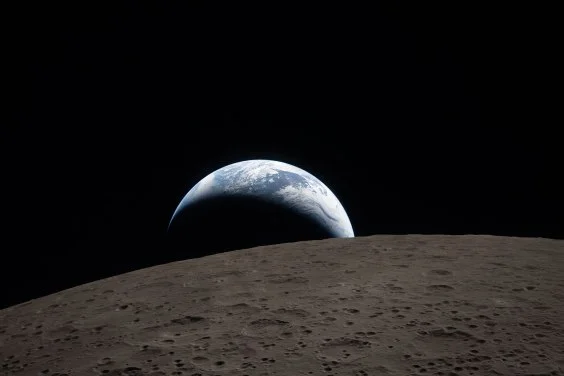
Artemis II astronauts utilized advanced technology, including iPhone 17 Pro Max and Microsoft Surface Pro tablets, to document their lunar expedition.
A Leap in Technology
It's fascinating to consider how far technology has come since the Apollo era. While the Apollo guidance computer relied on just four kilobytes of RAM, today’s devices have dramatically outpaced that. For instance, the iPhone 17 Pro Max boasts 12 gigabytes of RAM, marking a staggering increase of about three million times. This leap in technology played a significant role for the Artemis II astronauts during their recent lunar mission. The contrast is striking, and it sparks an essential discussion about how advancements in technology can transform not just daily life, but also the challenges of space exploration.
The Apollo missions were groundbreaking for their time, but they were limited by the technology available. Today, we live in an era where mobile computing is omnipresent. Devices that fit in our pockets have more processing power than the systems that sent humans to the moon. This gap raises questions about the implications of such advancements: are we truly prepared to handle the complexities of modern space exploration? And how do new technologies affect mission outcomes? As seen with Artemis II, the need for modern tools is more pronounced than ever.
Documenting the Moon
Equipped with iPhone 17 Pro Max devices—albeit without internet connectivity—the Artemis II crew documented various aspects of the lunar surface. This choice underscores not just the phone's advanced features but its applicability in a space exploration context. While an iPhone might seem like a trivial tool compared to specialized equipment, its ability to capture high-quality images and video makes it remarkably useful in situations where traditional methods might fall short. What this means for you is that, in an age saturated with consumer technology, such devices can also play a vital role in scientific endeavors.
The astronauts also received Microsoft Surface Pro tablets. This isn't an accidental choice; these devices were selected for their compatibility with NASA's existing systems, facilitating quick image annotations and data entry. The speed at which astronauts can interact with their tools can make the difference in mission success. Using familiar devices helps streamline processes, so crews can focus on where their expertise truly lies—gathering and interpreting data. It reflects a larger trend in aerospace where tech companies are increasingly integrated into space missions.
Access to the Crew’s Notes
NASA has recently shared images of the handwritten notes made by the crew, providing a glimpse into their observations and experiences on the lunar surface. These notes reflect a blend of modern technology and human insight—a potent combination for a mission aimed at expanding lunar exploration. Handwritten notes allow astronauts to document real-time thoughts and observations in a way that typing on a device can't replicate. It adds a personal touch to the technical feat of reaching the moon.
The mix of technology and traditional methods highlights a critical aspect of exploration: human intuition and interpretation remain irreplaceable. Notes reveal astronauts' immediate reactions—both logistical observations and emotional responses. This human element is often overlooked in the data-centric approach that dominates much of current technological discourse. People must remember that, despite all the tech advancements, the essence of exploration rests on individual perceptions and insights.
The post See the Artemis II Crew’s Handwritten Notes Documenting the Lunar Surface appeared first on Nautilus.
Implications and Future Outlook
The implications of using consumer technology in space missions go beyond mere practicality. It opens up a dialogue about how agencies like NASA can innovate while maintaining safety during high-stakes operations. It prompts a rethink of educational and training methods for future astronauts. If you're working in this space, consider this: the incorporation of familiar tools may reduce the learning curve for new technology. The human elements of exploration, such as adaptability and creativity, combined with effective technology, may very well pave the path for the next era of space exploration.
As we glance toward future missions beyond the Moon, such as Mars exploration, the need for technology that balances efficiency and comfort will undoubtedly take precedence. NASA's approach could reflect a paradigm shift where astronauts are equipped not only with specialized gear but also with consumer technology that eases the burden of their tasks. This integration may evolve as the landscape of technology continues to shift, presenting opportunities that were inconceivable in the past.
The ascent of consumer technology in space applications shows there's much left to explore—not just in the realms of external landscapes but also within our capacity to innovate. These intertwined journeys might just be the key to unlocking our next steps in space.

Discussion
Sign in to join the discussion.