The American Repertory Theater's new performance space, Blavatnik Theater, promises to enhance artistic innovation with flexible designs and advanced technology.
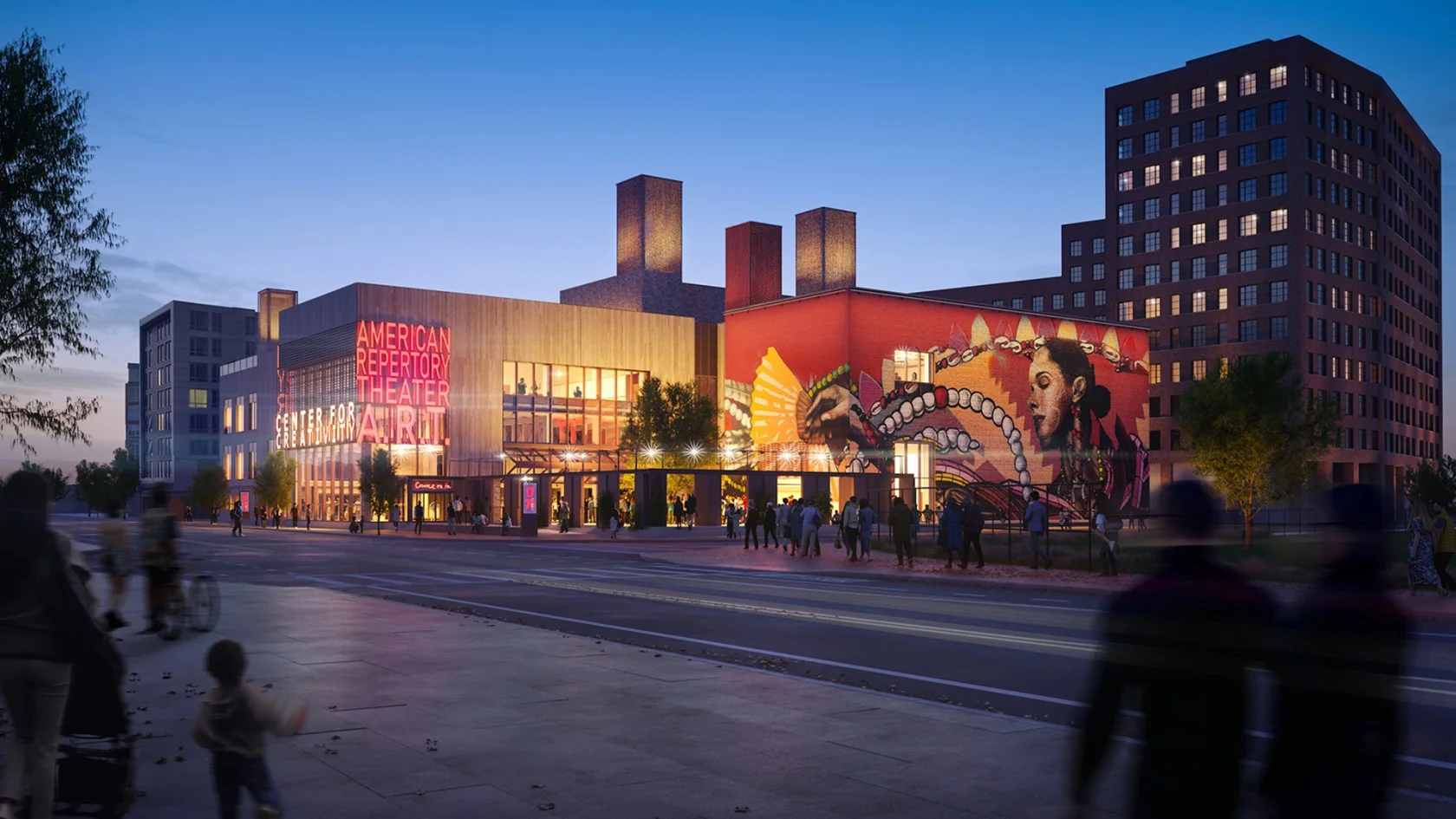
New Beginnings for A.R.T.
The American Repertory Theater (A.R.T.) is marking a significant milestone with the announcement of its largest performance venue, the Blavatnik Theater, located in the David E. and Stacey L. Goel Center for Creativity & Performance. Set to open in May, this state-of-the-art theater is named in honor of a generous donation from the Blavatnik Family Foundation, established by Sir Leonard Blavatnik, an alumnus of Harvard. This new venture not only amplifies A.R.T.'s capacity for performance, but also underscores a commitment to enriching the cultural landscape of the region.
Designing for Innovation
With the generous support of Len and Emily Blavatnik, the Blavatnik Theater has been engineered to foster both artistic innovation and collaborative creativity. The design philosophy behind the theater isn't merely about aesthetics; it’s about creating an environment where artists can thrive and push boundaries. Blavatnik expressed his enthusiasm about the venture, emphasizing the exceptional talent that Harvard and A.R.T. attract: “We are delighted to support this innovative new theater, where artists will bring ambitious ideas to the stage.” This perspective echoes the broader trend in performance spaces, which are increasingly designed not just for presentation, but to be incubators for new ideas.

Elevating the Audience Experience
The Blavatnik Theater is designed to serve as a venue for large-scale productions similar to past A.R.T. creations that have graced Broadway and global stages. The theater’s architecture promises to offer a unique blend of size and intimacy, maintaining an engaging connection between performers and the audience. That’s a critical factor, as studies have shown that audience engagement is enhanced when theaters prioritize proximity and interaction. The theater will host its inaugural show, "Life on Mars," featuring the music of David Bowie, under the direction of Diane Paulus, A.R.T.'s Artistic Director. This production not only showcases the venue’s capabilities but also aligns with A.R.T.'s mission to present transformative works that resonate with contemporary audiences.
Versatility in Performance
Notably, the Blavatnik Theater comprises two dedicated indoor performance spaces within the Goel Center. It draws inspiration from the Loeb Drama Center, ensuring a comfortable sightline and intimate atmosphere that is critical for today’s diverse performance styles. The new space will accommodate up to 700 seats — an increase of 160 over the current venue — spread across the main level and two gallery tiers. This addition enhances A.R.T.'s ability to host a wide variety of performances, from traditional theater to avant-garde showcases.
Retractable seating, movable galleries, and adjustable staging elements equip the venue to adapt between traditional setups and open formats, capable of hosting up to 1,000 standing attendees. These features allow for versatility that many theaters lack, catering to everything from intimate plays to large musical events. Enhanced technical capabilities, including flexible rigging and integrated lighting, sound, and video systems, will empower artists to redefine the interaction between the stage and the audience. It's about flexibility in a world where artist expression increasingly demands it.
A Commitment to the Arts
Diane Paulus highlights the importance of this new theater, stating, “The Blavatnik Theater is a truly magnificent space that will give artists endless opportunities to create transformative theatrical experiences for decades to come.” Her gratitude towards Len and Emily Blavatnik isn’t simply polite acknowledgment; it reflects a deeper commitment to fostering creativity that benefits not just A.R.T. but the wider artistic community in Boston. This partnership illustrates the power of philanthropy in transforming artistic spaces and making meaningful investments in cultural infrastructure.
Blavatnik's Legacy with Harvard
The naming gift further solidifies Sir Leonard Blavatnik’s enduring relationship with Harvard, which spans numerous initiatives in innovation and education. A member of the Harvard Global Advisory Council, he has played a pivotal role in supporting various university projects, including significant contributions to medical research and life sciences. His investments signify a pragmatic alignment between arts and sciences, indicating that creativity is just as vital in academic settings as it is in artistic ones.
Location and Community Impact
Situated at 175 North Harvard St. in Allston, the Goel Center is positioned to become a nexus for creativity, bringing together local talents, entrepreneurs, and the arts community. This development strengthens Harvard's arts presence in the area, providing adaptive environments for rehearsal, creation, teaching, and public engagement. It’s an exciting opportunity for the local community to interact with art in new ways.
(And this is the part most people overlook) The surrounding Allston area is also undergoing significant transformations, making this theater not just a cultural centerpiece, but a catalyst for community growth. The Blavatnik Theater stands to serve more than just an audience; it aims to foster interaction between various sectors of the community, ultimately making the arts more accessible and integral to daily life.
The A.R.T. recently received its certificate of occupancy, with a ribbon-cutting ceremony scheduled for April 5. The performance of "Life on Mars" will commence on May 18, marking the real start of this new chapter for the theater.
Implications for the Future
This new venture isn't merely about a building; it's about setting a precedent for arts organizations nationwide. The careful planning and philanthropic backing could inspire similar initiatives in other cities, where aging theaters struggle to remain relevant against changing audiences and artistic expressions. If you're working in this space, the Blavatnik Theater may well serve as a template for how to fuse tradition with modern expectations—an endeavor that could redefine community engagement with the arts.



Discussion
Sign in to join the discussion.