A recent study reveals that mollusk microbiomes are shaped more by species lineage than environmental factors, signaling important research implications.
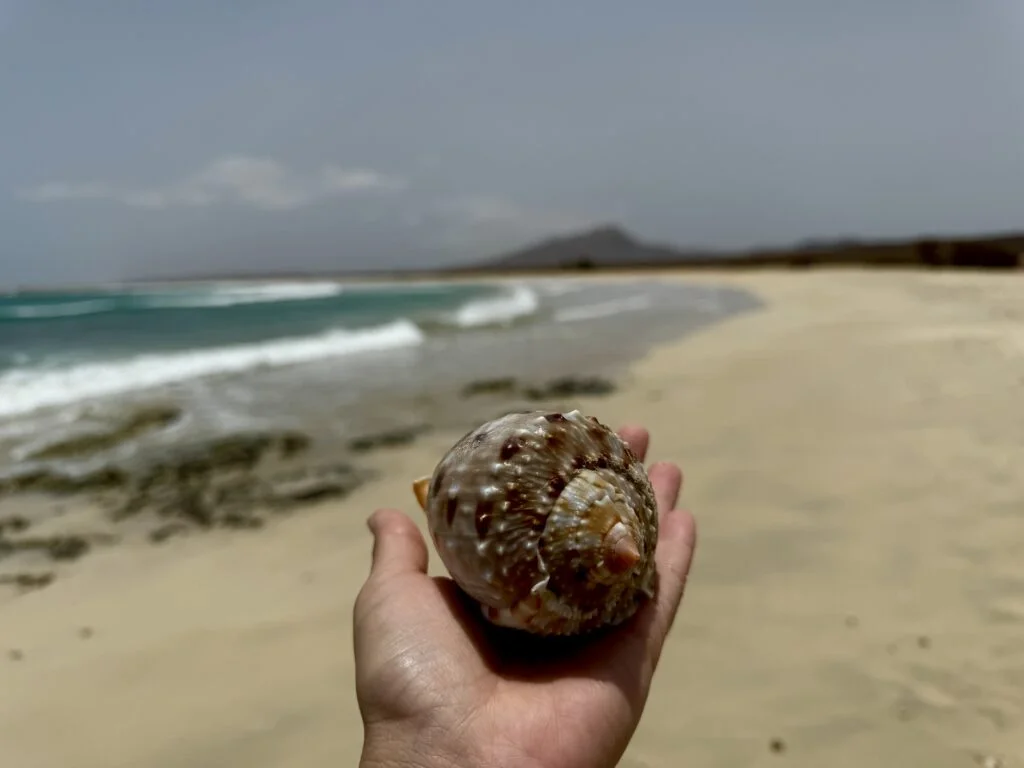
A mollusk's microbiome reveals more about its genetic lineage than its living environment, according to findings from researchers at the University of Michigan.
Species vs. Habitat: A Surprising Discovery
The study indicates that the composition of microbial communities within mollusks is significantly influenced by their species classification. This conclusion emerged from a comprehensive review of 85 existing studies examining mollusk microbiomes, led by doctoral student Diana Vergara-Flórez. The scope of this research highlights a growing understanding that genetic factors may overshadow environmental influences in determining microbiome structures.
Vergara-Flórez stated, “For the drivers of microbiome differences, who you are matters. Your family matters more than where you live.” This insight is particularly striking because it runs counter to the conventional wisdom that environmental factors, such as ecosystem health or pollution, are the primary determinants of microbial composition. Hence, two clams of the same species will exhibit similar gut microbiomes regardless of differing habitats—one residing in a Michigan lake and the other in a European lake—while clams of different species living in identical environments are likely to have distinct microbiomes. This finding raises questions about how conservation efforts are prioritized, especially given the significant implications for habitat restoration and environmental management.
The Microbiome's Role in Mollusk Health
This information is critical. The microbiome, a collection of bacteria, archaea, viruses, and fungi, plays a significant role in the digestion of food and protecting mollusks from pathogenic microbes. The microbial communities can influence everything from nutrient absorption to immune responses. Understanding how these microbiomes are formed is essential for preserving mollusk populations as they face threats from climate change. For instance, shifts in temperature or water quality may disrupt these delicate ecosystems, ultimately leading to population declines that could ripple through marine food webs.
Vergara-Flórez emphasized that each mollusk hosts specific microbes adapted to its physical conditions and habitat. Pollution and habitat destruction can introduce new variables to this established balance. She warned, “If we make a little change in where the animal lives, let’s say pollute their environment or increase its temperature, it can create something we call dysbiosis.” Dysbiosis refers to an imbalanced microbiome, where beneficial microbes decrease and harmful bacteria proliferate, potentially leading to health declines in these organisms. This risk is more than theoretical; it has real implications for biodiversity and the resilience of ecosystems, especially as marine environments undergo rapid change.
Focus on Major Mollusk Groups
The researchers focused on three primary groups of mollusks: gastropods (including snails and slugs), cephalopods (octopuses and squids), and bivalves (clams, oysters, and mussels). While variables such as diet and geographic location are acknowledged, the findings suggest that genetic background holds greater weight in determining microbiome makeup. This focus on core groups helps streamline future research but could also sideline other unique mollusk species that might offer valuable ecological insights.
Despite the significance of these findings, Vergara-Flórez pointed out that much of the academic focus has been on economically relevant species like oysters and clams. She expressed concern regarding the limited understanding of the over 8,000 mollusk species, stating, “It’s sad and frustrating how the research is so human-centered.” This highlights a broader issue within ecological studies, where economically or recreationally valuable species tend to dominate funding and interest over diverse but less commercially appealing taxa.
Expanding Horizons: Future Research Directions
Looking ahead, Vergara-Flórez intends to expand her research to include cone snails from Cape Verde and the Pacific Ocean, a family of over a thousand venomous species that play essential roles in coral reef ecosystems. The genetic and ecological diversity of these snails may provide new insights into the significance of microbiomes across a range of environments. Such work is vital for comprehending how varying environments shape microbial communities and how these relationships might change in the future.
This study was published in The ISME Journal and underscores the urgent need for more extensive research into mollusk microbiomes to better anticipate their responses to changing environmental conditions. As research advances, the hope is to illuminate the interconnectedness of species and the environments they inhabit. If you're working in this space, consider how this research can inform biodiversity conservation and ecosystem management strategies.
Implications for the Future
The implications of Vergara-Flórez's findings extend far beyond academic interest. Understanding the genetic basis of microbiome differences in mollusks could reshape conservation strategies, especially in the face of climate change. If genetic lineage holds more weight than environmental factors, it could alter how we approach habitat restoration. Efforts may need to focus more on preserving genetic diversity rather than merely protecting habitats.
This research could also influence aquaculture practices, especially concerning species susceptibility to disease. As restoration and farming practices adapt, the microbial component must be considered more meticulously. The relationship between a species and its microbial community is a nuanced interplay that could dictate the health and viability of populations in oceans and rivers alike.
Indeed, marine biodiversity is at a crossroads, and understanding mollusk microbiomes offers a glimpse into larger ecological dynamics. Researchers must now prioritize expanding their focus beyond commercially valuable species to ensure holistic approaches to conservation. After all, these complex connections matter more than we often realize.


Discussion
Sign in to join the discussion.