Marcyliena H. Morgan significantly advanced the field of linguistics and hip-hop studies, leaving behind a profound legacy at Harvard and beyond.
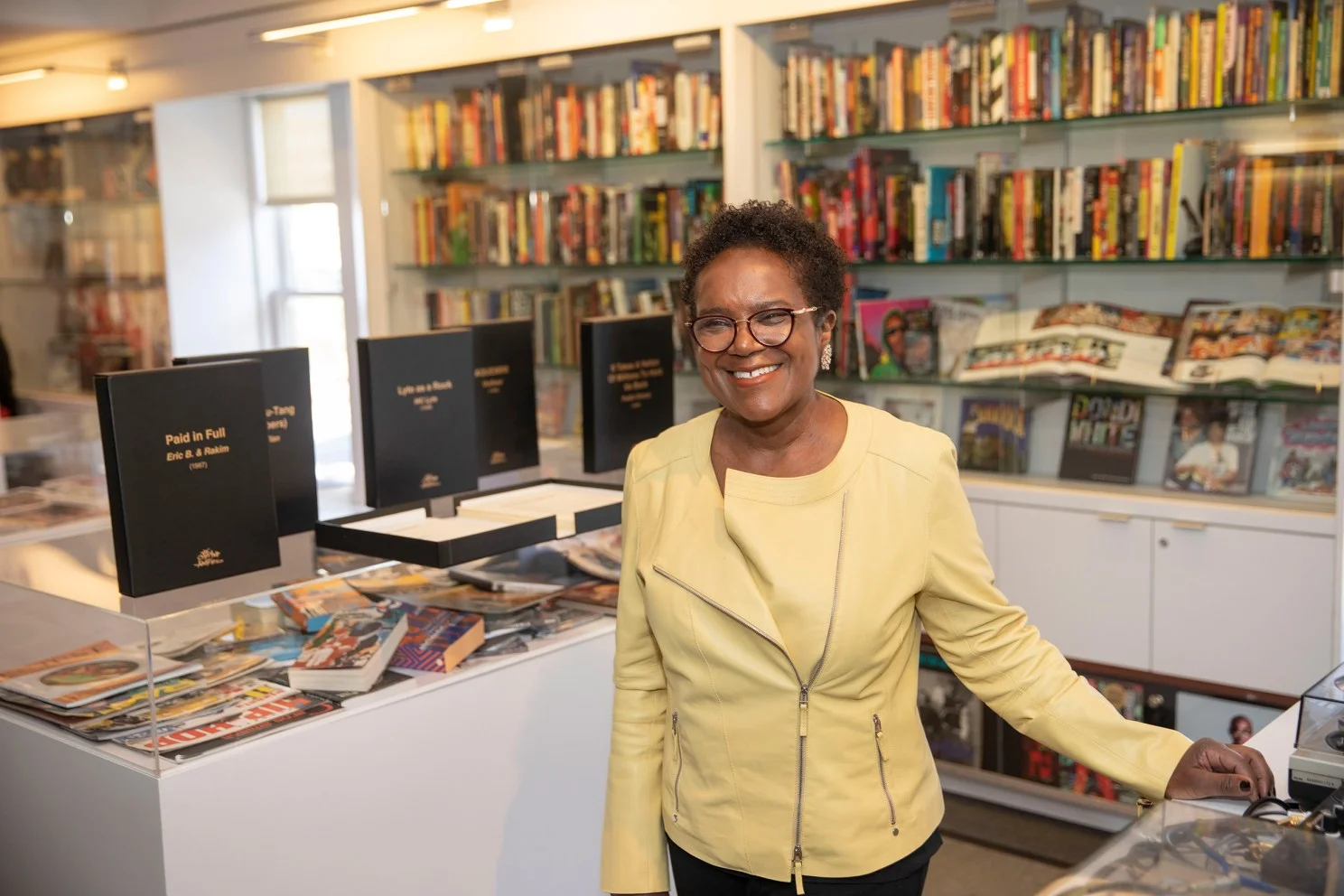
At a recent Faculty of Arts and Sciences meeting at Harvard on October 6, 2026, the life and contributions of the esteemed Marcyliena H. Morgan were memorialized, marking an impactful legacy in academia.
Born: May 8, 1950
Died: September 28, 2025
A Visionary in Hiphop Studies
Marcyliena H. Morgan founded the Hiphop Archive and Research Institute at Harvard in 2002, embodying her motto of “Build. Respect. Represent.” This principle not only captured her personal ethos but also framed a pioneering approach to understanding a genre that has significantly shaped contemporary culture. Morgan's work in linguistic anthropology placed hip-hop within the academic spotlight, transforming how scholars viewed this initially marginalized musical form.
Academic Contributions and Influence
In her role as the Ernest E. Monrad Professor of the Social Sciences, Morgan focused her scholarly pursuits on the themes of language, discourse, and socio-political dynamics within African American communities. Her influential book, Language, Discourse and Power in African American Culture, alongside numerous articles, explored the complex intersection of language and identity. Moreover, her seminal work, The Real Hiphop: Battling for Knowledge, Power, and Respect in the LA Underground, recounts how hip-hop reflects and critiques cultural narratives, solidifying its place as an essential aspect of social theory and cultural memory.
Through her research, Morgan championed hip-hop as a relevant academic field, demonstrating that it transcends mere musical expression; it encapsulates rich cultural practices and social commentary. Her insights resonated across disciplines, impacting anthropologists, linguists, historians, and others interested in the cultural significance of language.
Legacy of the Hiphop Archive
The establishment of the Hiphop Archive and Research Institute stands as Morgan's most lasting achievement at Harvard. Recognized as a center for scholarly activity, the archive served as a multifaceted space where academics and students could engage deeply with hip-hop culture. Morgan redefined what an archive could represent by creating an environment rife with opportunity for exploration and celebration of hip-hop's complexities. Her vision transformed visitors' experiences, making them feel valued and acknowledged in their cultural identities.
Personal Background and Early Influences
Raised in Chicago, Morgan was the daughter of Henry O. Morgan, a labor activist, and Juliette (Murray) Morgan, whose combined influences accentuated her commitment to social justice and cultural pride. From an early age, she engaged with a dynamic linguistic environment that nurtured her academic pursuits. She earned a bachelor’s degree and a master’s degree from the University of Illinois at Chicago, followed by a second master’s from the University of Essex and a Ph.D. in Linguistic Anthropology from the University of Pennsylvania.
A Lasting Impact on Generations
In 2025, shortly before her passing, Dean Hopi Hoekstra acknowledged Morgan's integral role by renaming the archive in her honor. This act ensures that her contributions will be commemorated in the hearts and minds of future scholars and students who experience the archive's resources.
What truly marked Morgan’s impact was her ability to inspire. She encouraged students to embrace their histories and envision brighter futures, instilling within them a sense of purpose intertwined with their academic endeavours. Morgan became a mentor and advocate, especially for first-generation, Black, and other students of color, advocating for a scholarship that is infused with social responsibility.
A Cherished Community Figure
Throughout her time at Harvard, Morgan was known for her infectious laughter and generosity, fostering a nurturing academic environment. Her unique perspectives on language as the carrier of theory and history resonated deeply within the Department of African and African American Studies. She also created significant cultural moments, such as the “It Ain’t Over Yet” holiday feast, which brought together students, colleagues, and friends—highlighting her belief in the communal aspect of food and fellowship as essential to cultural sustenance.
Her Legacy and Survivors
Morgan passed away at the age of 75 after a prolonged battle with Alzheimer’s disease. She is remembered not just for her academic achievements but for the warmth and dedication she brought to her community. She is survived by her husband, Lawrence Douglass Bobo, a noted professor at Harvard, along with her loving family and friends.
Her influence will continue to usher bright minds towards a future imbued with the values she championed: respect for culture, an acknowledgement of history, and a commitment to social justice.
Respectfully submitted by:
Evelynn Hammonds
Evelyn Brooks Higginbotham
Tommie Shelby
Henry Louis Gates, Jr., Chair

Discussion
Sign in to join the discussion.