The Charles River: A Vital Hub of Activity and Reflection at Harvard University
Published Oct 01, 2026Reads 696By Stephanie Mitchell
The Charles River is central to Harvard life, offering a peaceful escape and a vibrant atmosphere for students and visitors alike.
An Unexpected Heart: The Charles River's Role in Harvard Life
When one thinks of Harvard, images of the Yard might spring to mind. However, the Charles River arguably serves as the true nucleus of campus life, traversing both the Cambridge and Allston areas. The river draws a vibrant mix of joggers, rowers, cyclists, and dog-walkers, creating a lively tapestry of activity from sunrise to sunset. The reasons for this pull are both universal and intimately personal, as a recent group of visitors shared in their reflections.
The atmosphere near the river is infused with nostalgia and resurgence alike. People are resonating with the upbeat sounds from Fenway Park, where “Dirty Water” by The Standells plays after every Red Sox victory, while closer to Harvard, there's an air of optimism due to ongoing environmental cleanup efforts. One local fisherman proudly recounted catching a hefty 3-pound bass, a testament to the river’s improving health. Another long-time resident, however, evoked a different vibe, reminiscing about Paul Simon's “Peace Like a River,” hinting at the deeper emotional connections the Charles inspires.
Personal Ties and Reflections
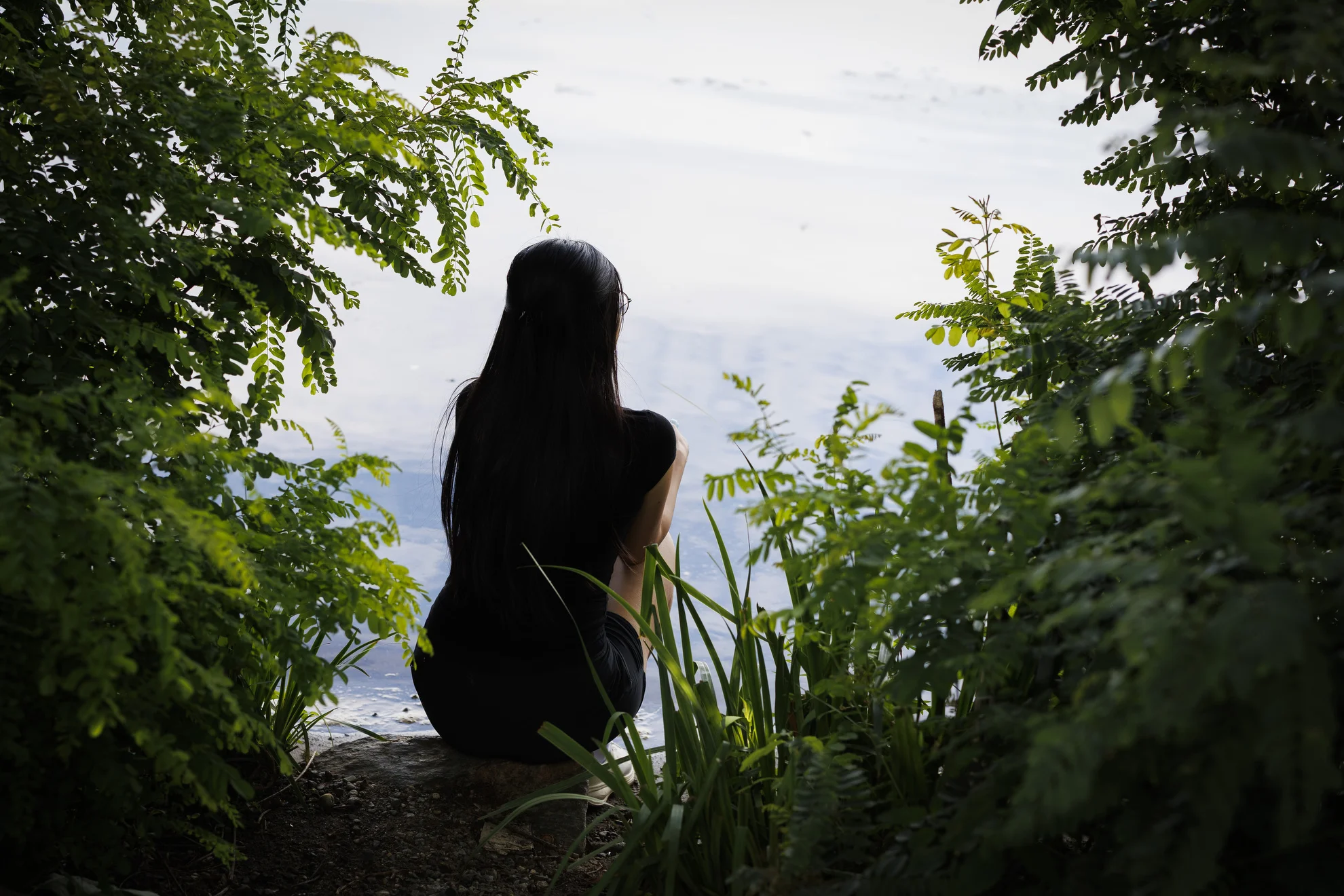
Evelyn Huang, a student from the Graduate School of Education, articulated a profound sense of peace derived from her riverside perspective. While the vibrant energy of campus life can sometimes induce anxiety—what's now colloquially termed "FOMO"—she embraces the calmer feelings of "JOMO": the joy of missing out. “I love sitting here and watching the river, letting everything in my mind flow like the water,” she shares. Her experience reflects a broader sentiment among her peers who use the river as a sanctuary amid their demanding academic schedules.
Leo Moradi, a philosophy graduate from Boston University, echoes this sentiment with his belief that a city devoid of a river loses its charm. Frequent lunches along the riverbank have led him to memorable moments, such as capturing the perfect sunset that aligned with the water’s movement. “I still vividly remember that day,” he stated, as if the river itself holds memories for all who visit.
Mary Stargel, visiting from Tennessee, found tranquility in the river’s interconnectedness. As she sat beside the water, she felt a connection to far-off places, a reminder of her own travels. This shared sentiment among visitors highlights how the Charles River serves as more than just a body of water; it’s a bridge to personal history and collective identity.
Moments of Stillness and Connection
Ellie Stallings, a participant in Harvard's Summer School program, views the river as an integral part of her Harvard journey. For her, the riverside has become a multi-functional space for reading, studying, and simply soaking in the beauty of nature. “Every day is a favorite moment out here,” she said, capturing the joyful simplicity of river life amid her rigorous academic commitments.
Meanwhile, Micah John, a current student, reflects on the chaos of university life and how moments by the river offer solace. After long days filled with study sessions, she finds herself drawn to the river, often playing music with friends to celebrate the beauty of the experience. For her, each sunset brings a personal moment of reflection.
Even those unfamiliar with the Cambridge area find a connection to the river. Sarah Griffin, who grew up in Colorado, appreciates the Charles as a rare urban escape, a reminder of nature’s beauty amid Boston's fast pace. Her frequent visits are a necessary reprieve from the everyday bustle, demonstrating the river's universal appeal as a refuge in a crowded city.
In this environment, both long-time residents and new visitors indulge in the ongoing narrative of the Charles River—each moment spent alongside it is a blend of reverence for the past and hope for the future, a testament to the power of nature to foster connection, introspection, and a sense of belonging.



Discussion
Sign in to join the discussion.