A life-size replica of the prehistoric predator Deinosuchus schwimmeri has been unveiled, enhancing our understanding of its role during the Late Cretaceous period.
In an exciting development for paleontology, a life-size replica of the formidable predator Deinosuchus schwimmeri has been unveiled, offering new insights into the ancient ecosystems of the Late Cretaceous period. This reconstruction represents a significant leap forward in accurately depicting one of North America's largest crocodilian inhabitants, which lived approximately 83 to 76 million years ago.
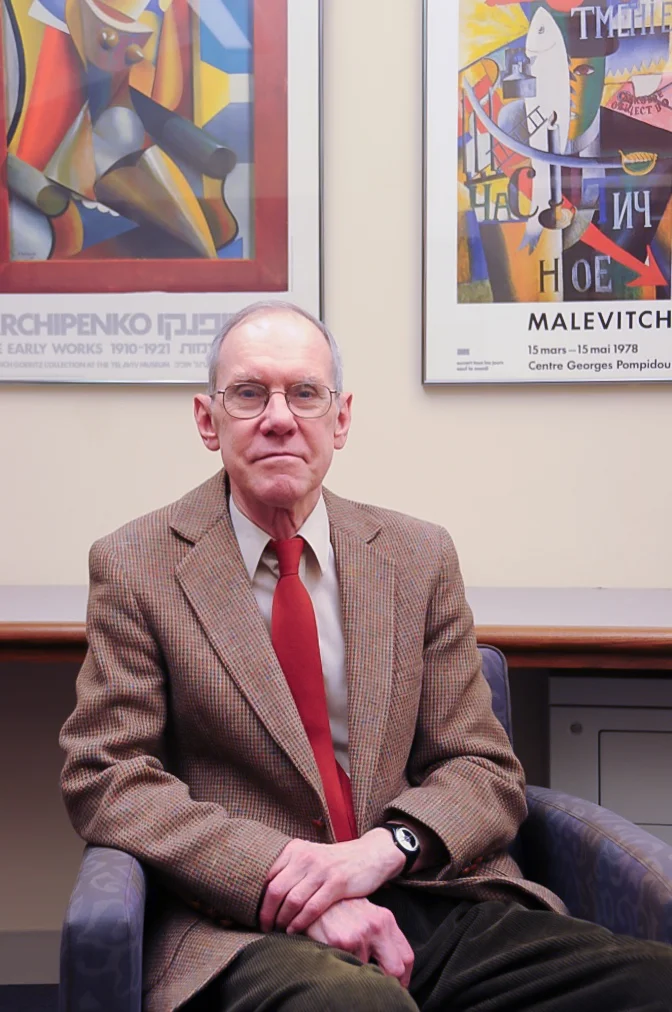
The project was led by Dr. David Schwimmer, a geology professor from Columbus State University. Schwimmer's extensive research on the Deinosuchus has earned him international recognition, and this mounted skeleton replica marks the first scholarly accurate representation of this "dinosaur-killer." With a length comparable to a school bus—31 feet (9.45 meters)—the Deinosuchus was likely the apex predator of its time, using its powerful jaws to prey on dinosaurs and other sizable creatures that ventured too close to the water.
This impressive replica was commissioned by the Tellus Science Museum, located in Cartersville, Georgia, and took two years to complete through collaboration with Triebold Paleontology Inc., a firm known for high-quality fossil models. Hannah Eisla, the museum's director of education, highlighted the educational value the display adds, stating, "The addition of Deinosuchus schwimmeri allows us to provide a more detailed picture of this area's ecosystem in the Cretaceous Period." With thousands of students touring the museum every year, this installation provides a unique opportunity to engage them with their region's prehistoric past.
The Importance of the Replica
Showcasing the replica at Tellus Science Museum is significant, as it is currently the only display of Deinosuchus schwimmeri in any museum. Curatorial coordinator Rebecca Melsheimer emphasized that visitors gain a deeper appreciation of the scale at which these ancient creatures existed. "We can tell you that Deinosuchus is 30 feet long, but seeing it is far more impactful," she noted.
Paleontologists officially recognized Deinosuchus schwimmeri as a distinct species in 2020, honoring Schwimmer for his two-plus decades of research into the giant crocodilian through the publication in the Journal of Vertebrate Paleontology. Reflecting on his efforts, Schwimmer remarked, "These replicas are more than just creating a 'scare factor.' Understanding dinosaurs' predatory habits helps us decode some of nature's greatest survival strategies."
A Closer Look at Deinosuchus
This ancient crocodilian belonged to a lineage distinct from modern-day crocodiles and alligators, and its enormous size and specialized features provide insights into its evolutionary advantages. The replica was constructed using advanced 3D scanning techniques of existing fossil records, which allowed researchers to accurately rearticulate the creature's skeleton and dermal armor, a protective structure comprising hard, bony plates embedded within the skin.
Schwimmer's dedication to studying Deinosuchus began in his childhood, sparked by a frightening display at the American Museum of Natural History in New York. He discovered his first Deinosuchus fossil in 1979 and has since contributed substantially to the understanding of Late Cretaceous paleontology, particularly in the southeastern United States. His research has led to significant discoveries, including other notable prehistoric species that inhabited the region.
Research and Educational Impact
Schwimmer's investigations have received recognition from institutions like the Smithsonian and the American Museum of Natural History, where his findings contribute to the larger narrative of dinosaur-era life. His significant studies on fossilized interaction evidence, including bite marks on dinosaur bones and fossilized feces—known as coprolites—help paint a vivid picture of the relationships among ancient species.
The availability of meaningful research opportunities at regional institutions like Columbus State University fosters significant fieldwork experiences. Schwimmer emphasized that major discoveries can often be found in local sites, encouraging students to identify and study fossils in proximity to their own campuses. He expressed pride in providing valuable mentorship and guidance to upcoming researchers, such as Samantha Harrell, who contributed to notable studies under his supervision.
Future Directions
The unveiling of the Deinosuchus schwimmeri replica is not just a static addition to a museum; it represents ongoing exploration in understanding ancient ecosystems. Schwimmer continues to work on updating his earlier publication, "King of the Crocodylians: The Paleobiology of Deinosuchus," which has played a pivotal role in framing scientific discourse around ancient crocodilians.
As Schwimmer aptly concluded, "Bones and fossils tell us only part of the story. Fully assembled, life-size replicas become a blueprint for better understanding dynamic animals like Deinosuchus." The replica at Tellus Science Museum serves not only as an educational tool but also as a continual reminder of the importance of paleontological research and its implications for our understanding of life on Earth.
Materials provided by Columbus State University. Note: Content may be edited for style and length.
Don’t Miss: Saturn, Halley’s Comet Meteors and the Seven Sisters Light Up October
Scientists Discover 5 Hidden Forms of a Liver Disease Affecting 30% of Adults
Could Vitamin C Help Stop Leukemia Before It Starts?
Study Finds Natural Dairy Trans Fats Behave Very Differently From Industrial Fats
Stay informed with ScienceDaily's free email newsletter, updated daily and weekly. Or view our many newsfeeds in your RSS reader:
Keep up to date with the latest news from ScienceDaily via social networks:
Tell us what you think of ScienceDaily -- we welcome both positive and negative comments. Have any problems using the site? Questions?

Discussion
Sign in to join the discussion.