Radcliffe’s new initiative encourages open dialogue and diverse viewpoints, aiming to address skepticism surrounding academic freedom and diversity on campuses.
In the face of increasing polarization on college campuses, the Harvard Radcliffe Institute is making strides toward fostering a culture of intellectual diversity. Recent efforts, spearheaded by Dean Tomiko Brown-Nagin, have brought together scholars with varying ideological perspectives, demonstrating that effective dialogue can arise even from deep-seated disagreements.
The intention behind this initiative is not just theoretical discussion but active engagement with diverse views. According to Jenna Silber Storey, co-director of the Center for the Future of the American University, engaging genuinely with opponents' beliefs is vital for real progress. “You actually have to make the effort to get people in the room who deeply believe in, think about, and live by a certain set of aspirations or ideals,” she remarked.
During a workshop last fall, Radcliffe convened a cohort of scholars and leaders with varied political ideologies, testing their commitment to collaborative discourse. This gathering culminated in a white paper titled “Intellectual Diversity and the Mission of Higher Education,” which was published in May. Brown-Nagin described it as a “true negotiated document that reflected consensus,” underscoring the importance of diverse thought in academia.
The inclusion of conservative viewpoints in this dialogue was particularly noteworthy for many participants. Storey pointed out that the mere act of inviting conservative scholars to the table sent a clear signal: “We’re going to take your opinion seriously; we’re inviting you to be equal partners in drafting this statement.” This approach contrasts starkly with the perception that many universities foster a liberal echo chamber.
The white paper raised serious concerns about the current state of academic freedom, highlighting that a legitimacy crisis looms over universities. The authors noted the widespread skepticism toward higher education's civic value, attributed in part to the liberal tilt of faculty. They found that many students and faculty feel restricted in expressing their beliefs, exacerbating a culture that stifles debate. “Students and faculty do not feel fully free to express themselves on certain issues,” the document states, advocating for a shift towards a more open and welcoming discourse.
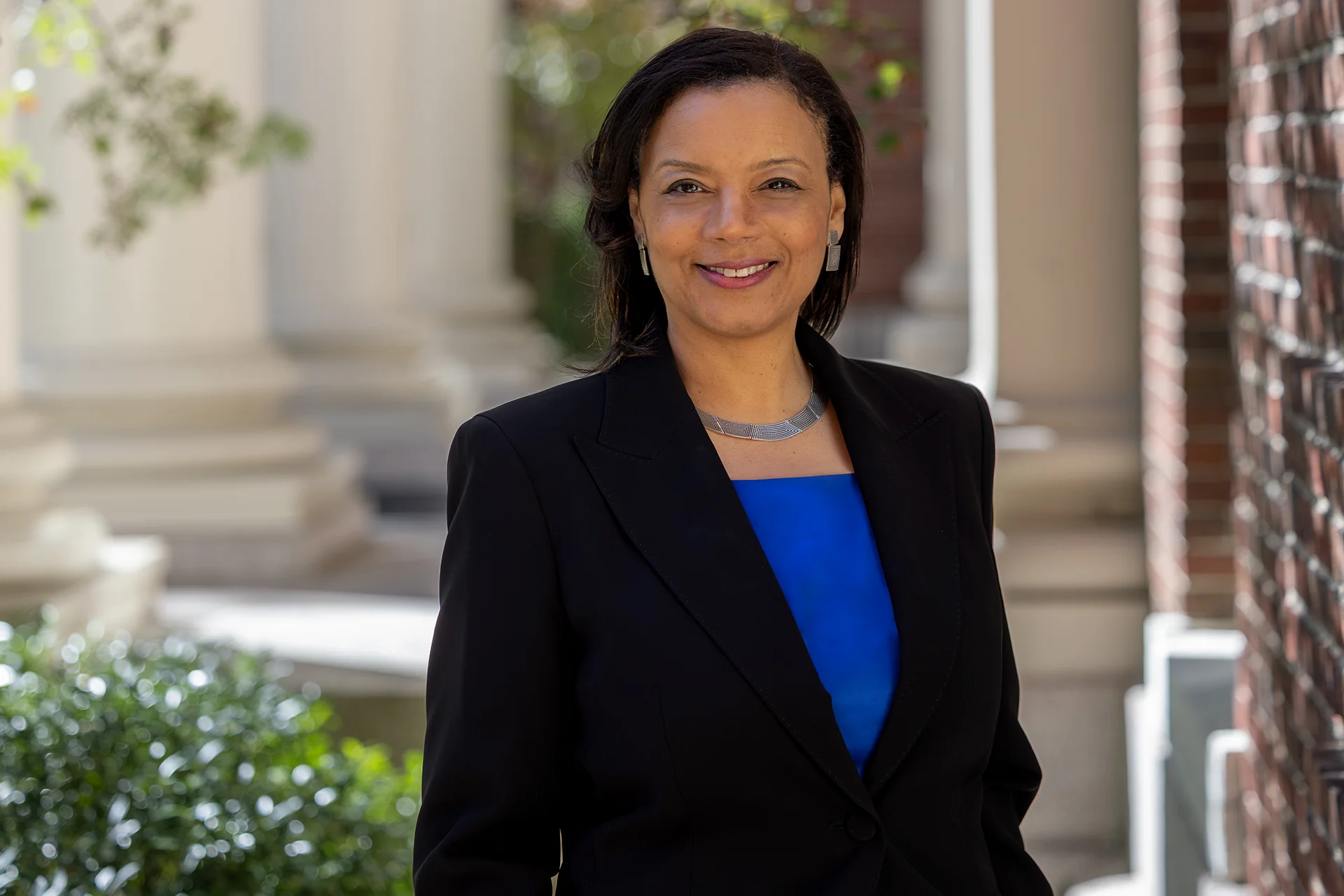
Photo by Melissa Blackall
A significant point of discussion was the suggestion that universities should directly hire for ideological diversity. While some participants supported this notion, Brown-Nagin expressed skepticism about its necessity. She questioned whether a faculty member’s political beliefs inherently deprive students of a robust educational experience. “If what passes as political indoctrination is just a matter of faculty not having the right teaching tools, we can give them additional tools so that they can teach more effectively,” she stated. Harvard's Bok Center already offers courses on enhancing classroom dialogue, indicating a step toward arming educators with the skills to address contentious topics.
Interestingly, findings from Harvard's own 2024 report on open discourse revealed that students' reluctance to engage in controversial discussions often stems from fear of peer judgment rather than faculty pressure. This underscores the necessity of preparing students not just to express their ideas but to engage with differences in a constructive manner.
As faculty members and scholars continue to navigate the intricate dynamics of academic freedom, it is vital to recognize historical patterns of ideological shifts within academia. Julie Reuben, a Harvard historian, noted that while contemporary critiques suggest universities are overly liberal, the ideological composition has oscillated historically, with challenges to academic freedom appearing from various political angles over time.
In light of this, Brown-Nagin emphasized the importance of nurturing professional norms among faculty to regain trust and legitimacy within academic institutions. Echoing sentiments from the 1915 Declaration of Principles on Academic Freedom and Academic Tenure, Reuben urged faculty to take ownership of their responsibilities. The white paper captures the essence of this sentiment: “If this profession should prove itself unwilling to purge its ranks of the incompetent and the unworthy...others will do it for them.”
This call to action reflects the pressing need for a balanced academic environment where diverse viewpoints not only coexist but thrive. Brown-Nagin's vision for incorporating more comprehensive research into understanding political dynamics on campus is a pivotal first step toward revitalizing discourse in higher education.
As these conversations around intellectual diversity unfold, the Radcliffe initiative stands as a beacon, highlighting the potential for enhanced understanding and collaboration in an era marked by division. The forthcoming research project aims to investigate the extent of political skewing within university faculties, laying a foundation for more insightful discussions surrounding education and expression in the classroom.

Discussion
Sign in to join the discussion.