Paul Firth shares his experience navigating the Yukon River solo, confronting both nature's challenges and the solitude of the wilderness.
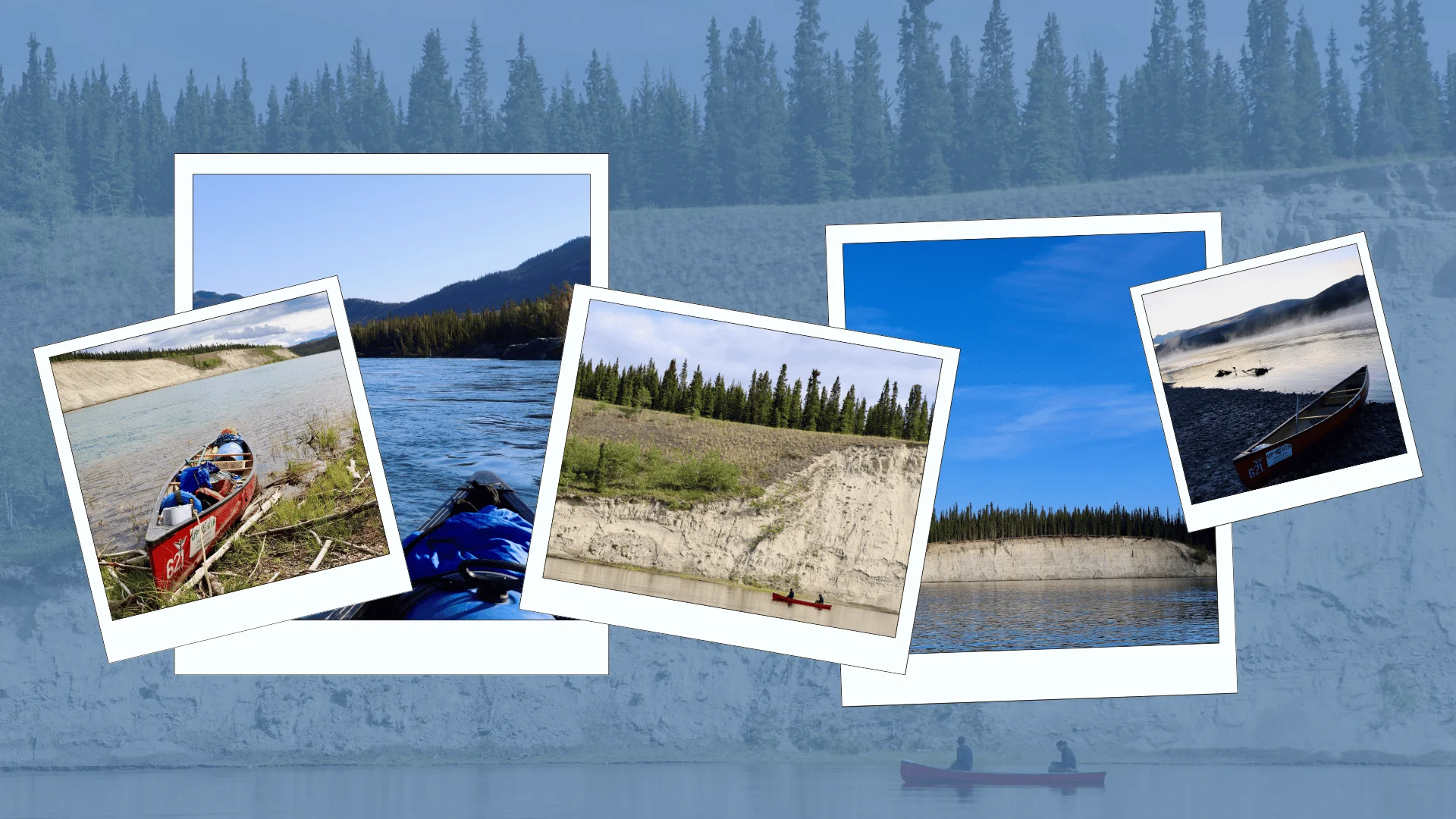
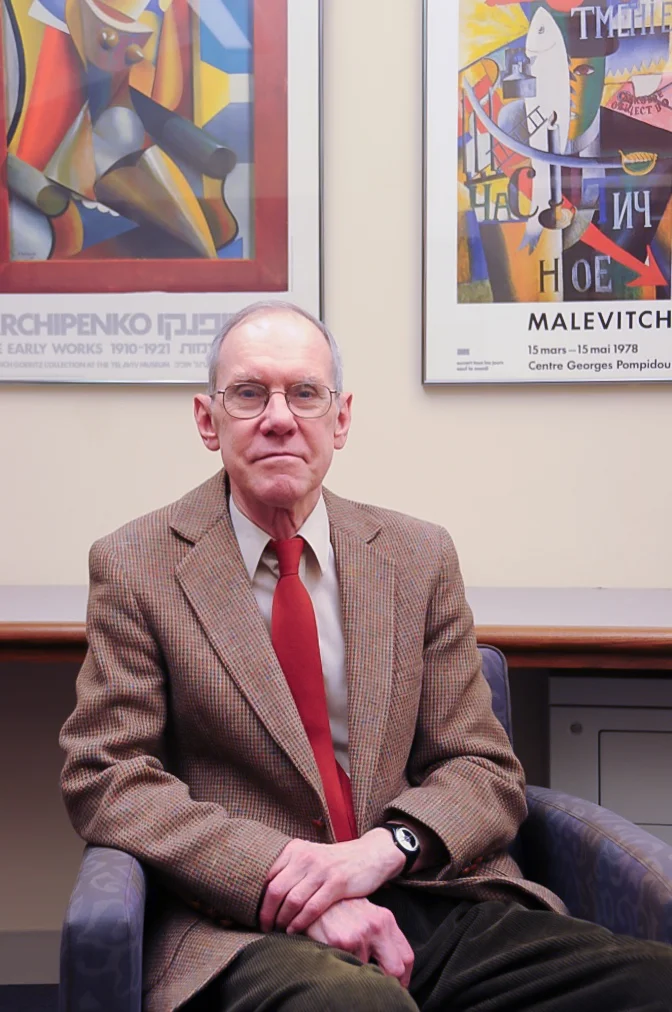
When embarking on an adventure in the wilderness, the presence of a bear certainly changes the dynamics, as Paul Firth discovered during his solo canoe trip on the Yukon River. Firth, an associate professor of anesthesia at Harvard Medical School, turned two weeks of unexpected free time into a thrilling journey, immersing himself in the wilderness of Canada.
Preparing for the Yukon Expedition
The decision to paddle down the Yukon came after Firth reflected on “Reading the River: A Voyage Down the Yukon” by John Hildebrand, a book he recalled vividly. With only three weeks to prepare, he opted for a 460-mile route from Whitehorse to Dawson City in the Yukon Territory. His previous experience included leading an expedition to Mount Everest, but he faced an amusing obstacle: he had never canoed before.
Undeterred by this inexperience, Firth chose a stretch of river known for being navigable, even by novices. He was particularly cautious about the Five Finger Rapids, a challenging section known for its branching streams and turbulent waters. However, the easternmost river branch had been altered historically to allow smaller boats, boosting Firth's confidence.
Outfitting the Adventure
In preparation, Firth reached out to local outfitters in Whitehorse, arranging for a canoe rental, essential gear, and transportation back from Dawson City. By late August, he arrived prepared, equipped with a map, supplies, and an eager spirit ready for adventure.
First Days on the Water
The initial days on the river were relatively smooth, though the second day introduced Firth to the formidable Lake Laberge, famous for its unpredictable weather. High winds and waves challenged his newly learned paddling skills, leading him to take refuge on shore. Safety was a priority; a flip could jeopardize not only his supplies but also his journey.
After a night spent at the campsite, conditions improved, and Firth resumed his travels downriver. However, progress was slower than anticipated, forcing him to adopt a rigorous paddling schedule to cover the distance necessary in the limited time he had. The first three days yielded merely 30 miles, leaving him with a daunting 400 miles still to traverse.
Embracing Solitude
As Firth paddled along, he found himself growing accustomed to the rhythm of life on the river. Though he had packed enticing meals, he soon found himself dining on canned goods and oatmeal. Beyond the physical challenge, the solitude of the wilderness became its own test—Firth grappled with the emotional weight of being alone, away from the chatter of modern life.
Though he carried the anxieties from home at first, he found clarity in the wilderness. “After a couple of days, you resolve all the things you were worried about,” he noted, as he began to appreciate the simple beauty around him.
Challenges and Insights
One rainy and cold day, while navigating the rapids, he felt particularly isolated. Approaching a campsite that he hoped would be bustling with fellow adventurers, he was greeted only by the bleak ruins of an old fort from the gold rush. The illusion of campfire smoke proved to be just that—a mirage that left him even more aware of his solitude.
The mental fortitude required to push through difficult days became paramount. Firth found strength in routine, waking up to make breakfast, pack up, and paddle each day. The feeling of accomplishment came not just from the miles covered but from dealing with the mental challenges of isolation.
A Nonchalant Encounter
One memorable moment of the journey came when a bear ambled through his campsite, embodying the wild essence of his surroundings. “He was very nonchalant. I was definitely more ‘chalant,’” Firth recounted, highlighting the stark contrast between his surprise and the bear's calm demeanor. This encounter underscored the rawness of navigating such a pristine wilderness without human distractions.
Arriving in Dawson City
By the time he reached Dawson City, Firth had adapted to the river’s pace. The realization that he could have paddled on even further was both liberating and bittersweet. Yet, he welcomed the return to civilization and the satisfaction of a hearty restaurant meal after a richly fulfilling trip.
This adventure, while challenging, proved meditative. Firth’s reflection echoes the transformative power of nature, where solitude fosters clarity and connection to one's surroundings. “It was quite relaxing and, in some ways, very meditative,” he concluded, a testament to the lasting impact of his Yukon adventure.


Discussion
Sign in to join the discussion.