Harvard University will rename its Science Center to Zimmer Hall, recognizing a significant $100 million donation from the Zimmer Family Foundation.
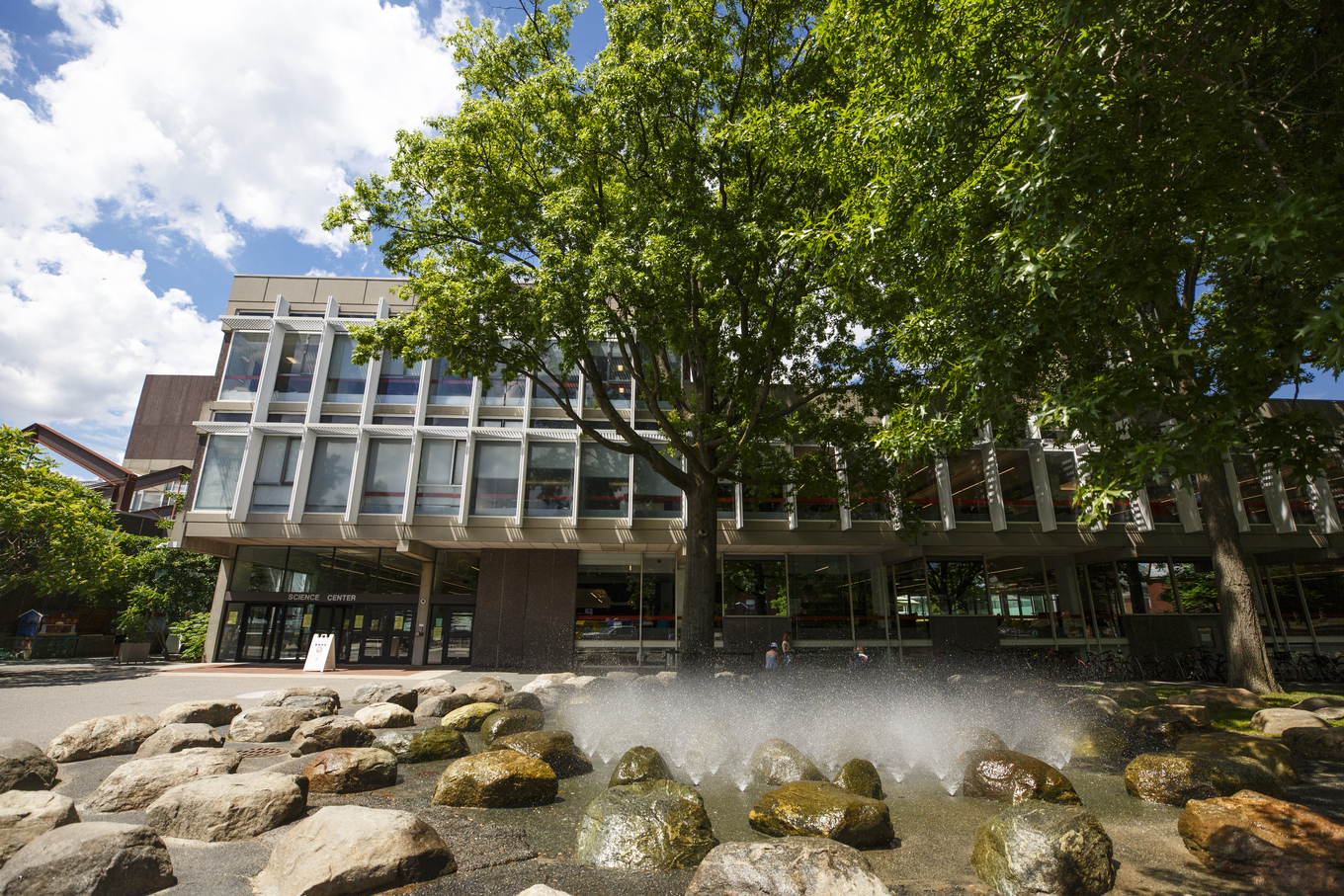
Harvard University has announced a significant change, renaming the Science Center on Oxford Street to Zimmer Hall, acknowledging a substantial gift of $100 million from the Zimmer Family Foundation made in 2018. This kind of renaming isn't just a symbolic gesture; it's emblematic of a broader trend where philanthropists increasingly influence academic institutions through substantial donations tied to family legacies.
The Zimmer Family Contribution
Stuart Zimmer, a Harvard alumnus from the class of '91, and Jennifer Zimmer, have played a pivotal role in this donation. Their substantial gift is more than financial; it's a tribute to Alan Zimmer, Stuart's late father, whose pioneering work in neuroradiology pushed the boundaries of medical imaging with technologies like computer axial tomography (CAT) and magnetic resonance imaging (MRI) in the United States. Alan's legacy serves as an inspiration, intertwining personal history with institutional growth.
This contribution calls attention to a growing trend where wealthy families choose to invest in educational institutions that have shaped their own pathways to success. As donations like this one influence curriculum development, facilities upgrades, and research initiatives, they can also create a culture where financial support for education is explicitly linked to legacy and memory. This intertwining of philanthropy and personal story is fascinating—and raises questions about the influence of donors on academic directions.
Impact on Harvard's Vision
President Alan Garber expressed gratitude for the Zimmers' generosity, stating, “We are profoundly grateful to Stuart and Jennifer Zimmer for their remarkable generosity and delighted they have chosen to honor Alan Zimmer’s legacy. They have strengthened Harvard’s ability to advance deeper scientific understanding and innovative scholarship.” This statement is more than just a thank-you; it reflects an aspiration of the university to tackle complex global challenges through enhanced scientific research and academic pursuit.
(p>What this means for you, if you're involved with academia or philanthropy, is that donations like this can redirect university priorities toward certain fields or initiatives deemed significant by the donors. President Garber's emphasis on addressing global challenges through this gift hints at the strategic directions Harvard might take, aligning its research agenda more closely with the interests of benefactors.Enhancing Community and Diversity
The Zimmer family's contribution extends beyond the academic realm; it also enhances kosher dining options at Harvard, expanding menu variety and eventually making kosher meals available at the Eliot House following its renovation. As universities increasingly seek to accommodate diverse student populations, this investment highlights the importance of inclusive dining practices that reflect the needs of all students. In 2024, the university had previously broadened kosher dining facilities at Harvard Hillel, the Quad, and Annenberg.
This effort speaks volumes about the evolving university environment. It's not just about studies and research anymore; universities are reckoning with their roles in promoting diversity and cultural awareness. Creating space for students from different backgrounds isn’t merely a moral obligation, but a strategic necessity to cultivate a vibrant and inclusive academic community. This approach may very well become a standard expectation rather than an exception.
Transforming the Science Center
Zimmer Hall, once a traditional Science Center, is now a dynamic hub dedicated to undergraduate sciences and mathematics. Since 2018, it has experienced extensive upgrades, including a complete renovation of four teaching laboratories that serve physics, chemistry, and life sciences courses, along with enhancements to the lobby and two lecture halls. The physical transformation of this space signifies Harvard's commitment to not only maintain its historical architecture but to continually adapt to the needs of modern education.
Hopi Hoekstra, the Edgerley Family Dean of the Faculty of Arts and Sciences, remarked, “This gift has and will continue to have a significant impact on the Faculty of Arts and Sciences, allowing critical support for teaching in science and math that enables our students to learn, experiment, and discover in a world-class facility.” With this investment, students can expect not just an education but an experience that has been finely tuned to cater to their needs.
A Legacy of Excellence in Medicine
Originally designed by architect Josep Lluis Sert in 1972, the Science Center houses key departments like the History of Science, Mathematics, and Statistics, alongside the Cabot Science Library and Pritzker Commons, a popular space for student collaboration. Its transformation into Zimmer Hall underscores a commitment not only to education but also to the legacy of a family deeply rooted in both academia and medicine.
Alan Zimmer, born in New York City in 1929, earned his medical degree from the University of Geneva in 1956. He later completed fellowships in neuroradiology at prestigious institutions including Albert Einstein College of Medicine and the Cleveland Clinic. His career included distinguished positions at Albert Einstein College of Medicine, Yale University, and Temple University, culminating as associate professor of radiology and chief of neuroradiology at the University of Medicine and Dentistry of New Jersey until his passing in 1993. This pathway isn’t unique, yet it begs deeper consideration of how individual contributions can ripple through generations.
His research contributions to duplex neurovascular imaging and MR angiography garnered accolades from numerous professional organizations, including the American Heart Association and the American Medical Association. Alan Zimmer also held substantial roles within various medical associations, reflecting his commitment to advancing the field of radiology. This narrative exemplifies how personal achievement can catalyze institutional evolution. Each upgrade made at Harvard as a result of these donations doesn't just reflect advancements in education; they stand as a monument to the potential of one individual's influence and legacy.
Looking Ahead: The Implications of Philanthropic Influence
The Zimmers' donation raises larger questions about the intersection of wealth, education, and academic freedom. While financial support is undoubtedly necessary, the rising trend of naming rights and donor influence can shift institutional priorities in ways that may not always align with the broader academic community's goals.
As universities become increasingly reliant on private funding, a tightrope walk begins. It’s essential to ensure that the motivations behind donations do not overshadow educational missions or dictate research directions contrary to academic integrity. And while schools like Harvard may seem insulated from such pressures due to their illustrious history and reputation, the challenge persists. Maintaining balance is key.
The implications of this renaming are multifaceted. If you're working in this space, consider how this shift aligns with broader trends in higher education funding. Institutions that cater to modern student needs while honoring family legacies may not only enhance their current reputations but also set essential precedents for future relationships with alumni and benefactors. The discussion is ongoing, and it’s one worth following closely.



Discussion
Sign in to join the discussion.