Ruth J. Simmons was honored with the Radcliffe Medal, praised for her transformative leadership in education and commitment to justice by notable figures.
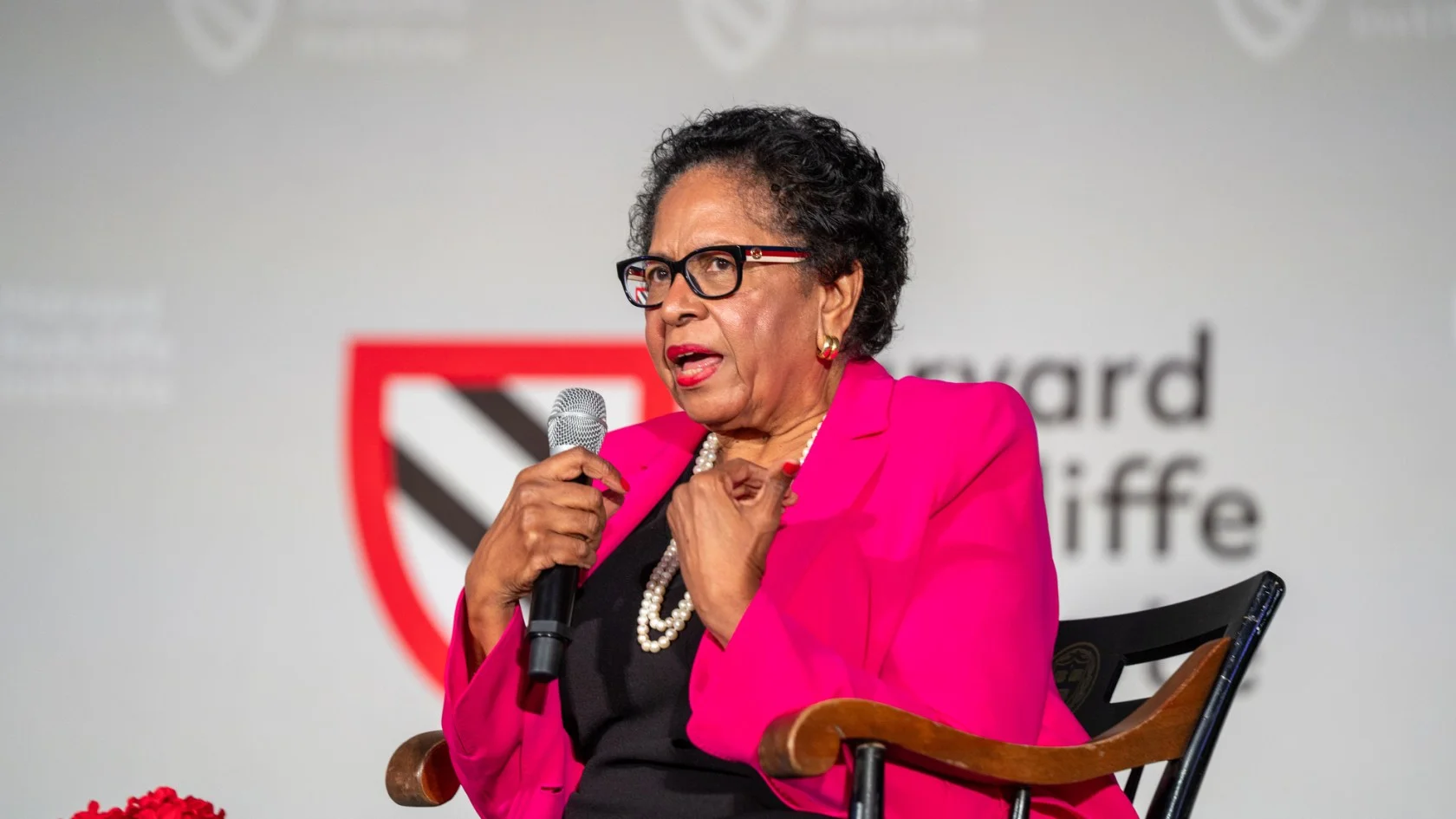
Ruth J. Simmons was awarded the Radcliffe Medal on Radcliffe Day, a testament to her extraordinary contributions to higher education and social equity. As a three-time university president, Simmons' leadership has profoundly shaped institutions like Smith College, Brown University, and Prairie View A&M University.
A Journey of Healing and Connection
After the release of her memoir, "Up Home: One Girl’s Journey", Simmons received an unexpected message from a cousin wishing to reconnect their racially divided family. This moment highlights not just a personal saga but a broader narrative about fragmented family ties resulting from historical racial divides. While her siblings expressed reluctance, Simmons embraced the gesture, recognizing it as a step toward healing societal divisions. "So many people I know lived that anger," she remarked, reflecting on historical racial injustices. "I'm determined not to do that. We need to move on." Her decision to engage with her cousin disrupts entrenched patterns of division and invites a dialogue about reconciliation within families affected by systemic racism.
Legacy of Leadership and Courage
During the ceremony, Harvard President Emerita Drew Gilpin Faust and other prominent figures, including Michelle Obama, lauded Simmons for her courage and advocacy throughout her career. Simmons' impact in academia reflects a relentless commitment to social justice and educational equity. Faust expressed gratitude for Simmons' persistent spirit, urging others to emulate her bravery. This isn't just about accolades; it’s a call for future leaders to engage deeply with the complexities of educational access and social equity. Simmons' journey and her recognition through the Radcliffe Medal serve as a powerful reminder of what can be achieved when one combines personal determination with a commitment to systemic change.
Shaped by Historical Realities
Simmons’ narrative is deeply rooted in her upbringing in Texas, where Jim Crow laws shaped her childhood. As the great-great-grandchild of slaves, she faced an environment steeped in segregation. Such a background adds layers to her story that many can empathize with, but few can fully appreciate. Her recollections underscore a harsh reality: “There was such manifest general agreement in this country that if you were Black, you had no right to see yourself as a citizen,” she stated, addressing the racism that permeated society. The lessons she learned from her parents about navigating that world—cultivating a mindset of subservience—served to keep her safe yet imposed a crushing perception of inferiority on the Black community.
“My parents gave us a lesson in subservience, which, of course, I didn’t learn very well,” Simmons joked, capturing the audience with her candid humor during her speech. This juxtaposition of humor and gravity illustrates her nuanced understanding of her past; she can acknowledge the weight of systemic racism while still infusing her narrative with lightness. It's a strategy that engages her audience and invites reflection.
Student Connection and Community Identity
As president at Prairie View A&M, Simmons earned the affectionate nickname "Ruth the Truth" from students, who recognized her commitment to advocacy and educational excellence. In a state marked by complex historical and social stratifications, her decision to return to Texas signified a personal and professional full circle. Faust remarked on the challenges Simmons faced given her formative years in that very state. Simmons openly admitted that, even as a child, she longed for acceptance within her community. This longing mirrors the experiences of many who navigate challenges tied to identity while seeking a sense of belonging.
Representing a Legacy
Reflecting on the invitation she received from the Texas State Cemetery, Simmons made a humorous yet poignant statement: “I want to represent the legacy of Jim Crow. I want to represent the people who toiled across time in Texas. I am who I am today because of that journey.” This assertion encapsulates Simmons’ recognition of history’s weight on individual identity. Many overlook how legacy shapes contemporary agency and choice, but Simmons embraces this connection. Her life’s work is a testament to those who paved the way, coupled with a clear signal to future generations about the importance of acknowledging one’s roots.
The Call for Inclusivity and Broader Perspectives
Tomiko Brown-Nagin, Radcliffe Dean, commended Simmons' dedication to justice and equality in academia. "She has been a tireless champion of education and its distinct capacity to empower individuals," Brown-Nagin said, quoting Simmons on the transformative power of education. This underscores a pivotal aspect often missed in discussions: the linkage between personal empowerment and systemic change in institutional frameworks.
The event also featured a tribute video from former First Lady Michelle Obama, who remarked on Simmons’ impactful career. "It would have been safer to play nice and not rock the boat. But that’s just not who Dr. Simmons is," Obama noted, asserting the need for leaders like Simmons to drive transformative change in institutions. The implication here is clear. Leaders who dare to challenge status quo practices often invite pushback but also are the ones who can create significant transformations.
Ongoing Challenges and the Future of Equity
As Simmons reflected on the current challenges facing society, she emphasized the ongoing struggle for inclusivity and equity. “One of the things in trying to build a nation of inclusion is we focused on particular groups to the detriment of the little poor white kid in a trailer park. What about them? We made a mistake,” she acknowledged, highlighting the need for a collective approach to societal healing. This is more significant than it looks; if leaders focus solely on specific demographics, they risk neglecting others who also struggle with systemic inequities. It’s a reminder that the fight for equity must include all facets of society, not just those traditionally viewed as marginalized.
Broader Implications of the Radcliffe Medal
The Radcliffe Medal, first awarded to Lena Horne in 1987, has honored numerous influential figures, including Jodie Foster, Sonia Sotomayor, and Melinda French Gates. In recognizing individuals who challenge societal norms and advocate for systemic change, the award embraces a legacy that encourages future generations to continue this important work. Brown-Nagin concluded the ceremony by reaffirming Simmons' role as an inspiring educator who embodies the power of learning to ignite minds and create opportunities. As society stands at various crossroads, the significance of such figures can't be understated—they represent the hope for a more inclusive future.



Discussion
Sign in to join the discussion.