Lael Ayala’s senior thesis combines her love for softball and engineering, creating an autonomous robot for efficient ball collection.
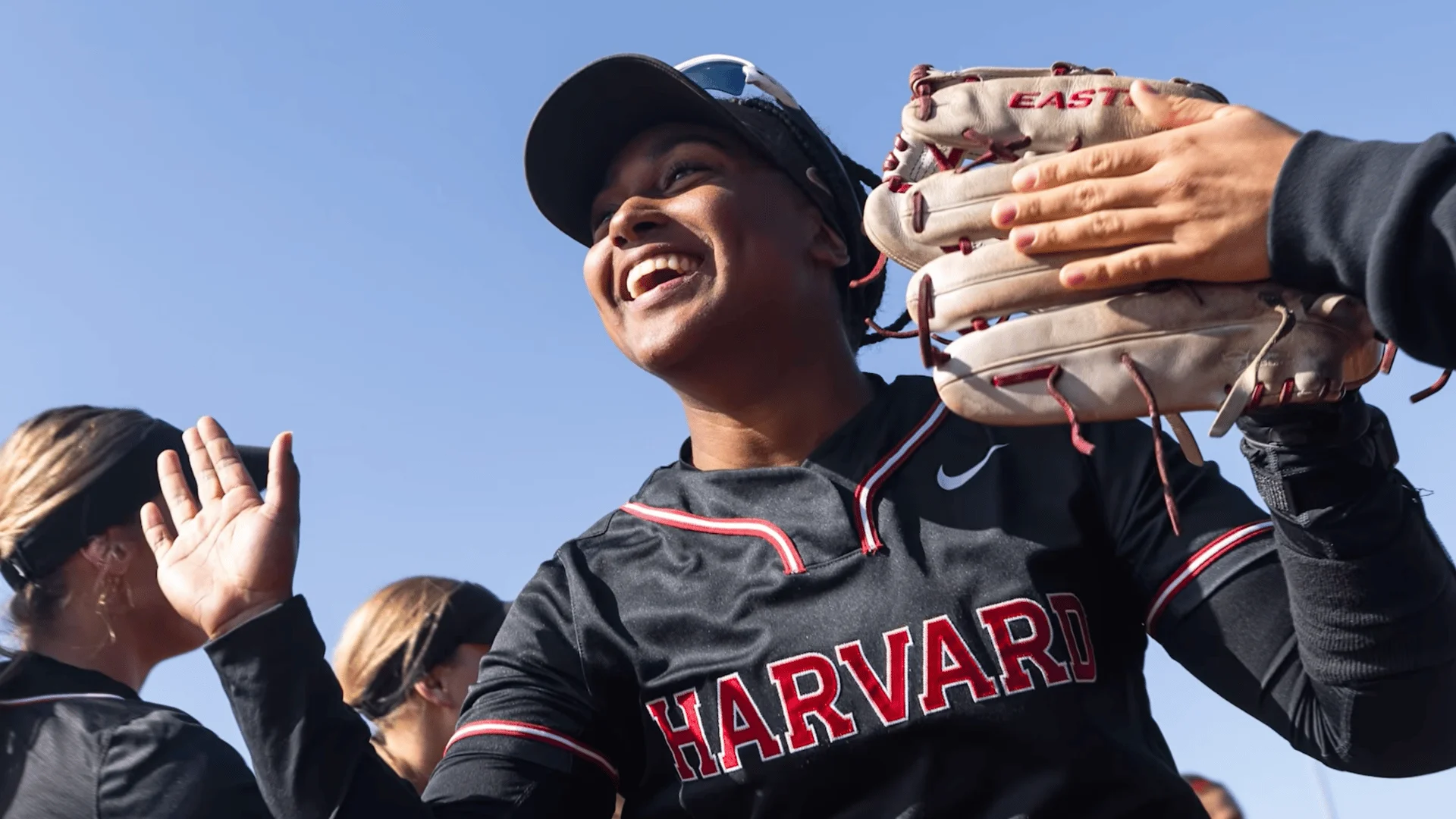
In a remarkable intersection of sports and engineering, Lael Ayala, a senior at Harvard, has developed an autonomous robot designed to collect softballs in the outfield. This project is not just a technical challenge; it's a reflection of her passion for both her sport and her studies in mechanical engineering, demonstrating how intertwined disciplines can lead to innovative solutions.
Ayala, also a member of the Harvard softball team, focused on addressing a real-world problem with her senior thesis. "What stood out to me most was that the project was directly connected to her passion for her sport," said Professor Seymur Hasanov, her thesis adviser. The desire for efficiency in practice became a driving force behind her creation. For Ayala, managing the dual demands of rigorous academic work and athletic performance was not merely an exercise in time management; it was a quest to solve a persistent issue that many student-athletes face.
This is more significant than it looks. The typical day for a student-athlete can be grueling, with hours spent in lectures, labs, and in the gym or on the field. There’s often little time left for development outside these realms. "If I was to be an athlete at any other school, I wouldn’t have the time to pursue my engineering goals," she noted, highlighting how the unique environment at Harvard allows for such ambitious undertakings. The interplay of academics and athletics at elite institutions often leads to unique projects that have real implications beyond campus.
Creating the SoftBot
Her robot, affectionately dubbed the SoftBot, operates somewhat like a Roomba designed for a baseball field. "I built a robot that can shag balls," Ayala explained, highlighting the fusion of her dual interests. Unlike conventional solutions, the SoftBot employs cutting-edge machine learning algorithms to recognize softballs—an intricate task that required Ayala to gather and train the robot on hundreds of images. This process isn't merely a technical hurdle; it's a reflection of Ayala's commitment and innovative spirit.
Ayala's project evolved throughout the academic year, culminating in a cart-like design capable of collecting an average of six-and-a-half softballs per session. The robot employs a horizontal roller mechanism to retrieve the balls, which channels them into onboard storage through a ramp. According to Hasanov, "Ayala grew significantly as an engineer and designer" as she iterated on her design, cultivating a more sophisticated approach to engineering through detailed problem-solving. Each iteration, informed by field testing, illustrates how hands-on experience enhances theoretical knowledge, a principle that some academic programs often overlook.
Lessons Beyond Engineering
Ayala’s experience extends well beyond mere technical skills. Her training in Army ROTC has equipped her with leadership qualities that enrich her sportsmanship and work ethic. "The skill that transfers the most between softball and ROTC is building camaraderie," she explained. The parallels she draws between navigating challenges in military training and the pressure of a close softball game hint at a deeper understanding of teamwork and resilience. Lessons from both disciplines converge to form a holistic approach to problem-solving.
On the day of graduation, Ayala will not only receive her degree but will also prepare for cadet summer training before being commissioned as an Army officer. This transition speaks volumes about her commitment to serving her community and country. Alongside her military career, she plans to remain engaged with Gander Robotics, a startup focusing on the development of autonomous underwater drones for search and rescue operations. This blend of engineering and commitment to service highlights the interconnectivity of various fields and how skills can cross-pollinate in unexpected ways.
Ayala's journey illustrates the power of following one's passions and leveraging them in academic pursuits, but it also presents an opportunity for reflection on the broader implications of her work. For many student-athletes, the fusion of their interests with technological advancements could create a wave of practical solutions addressing everyday challenges. Not only do such innovations enhance personal productivity, but they also highlight the importance of adaptability and creativity in tackling fundamental issues in sports.
The Path Ahead: Implications and Future Outlook
What this means for you, if you're working in this space, is that there’s a tangible need for more projects that blend athleticism with engineering skills. Ayala's approach could inspire other student-athletes to identify problems within their domains and come up with inventive solutions, sparking a trend that could redefine how sports are played and practiced. The implications extend beyond the student body; programs that support interdisciplinary initiatives may capture future innovations that can influence broader sectors.
Beyond Harvard's campus, as institutions seek to foster such ingenuity, the merging of technology and sports could lead to significant advancements in training, performance analysis, and even fan engagement. This shift could revolutionize how we view the relationship between technology and athletics. And yet, it begs the question: how many more Lael Ayalas are out there, waiting for an opportunity to merge their interests in ways that the world desperately needs? The answers to that question remain largely uncharted at this point.



Discussion
Sign in to join the discussion.