The Harvard Lampoon marked its sesquicentennial with a pop-up exhibit showcasing its rich history and the art of parody, uniting over 100 alumni.
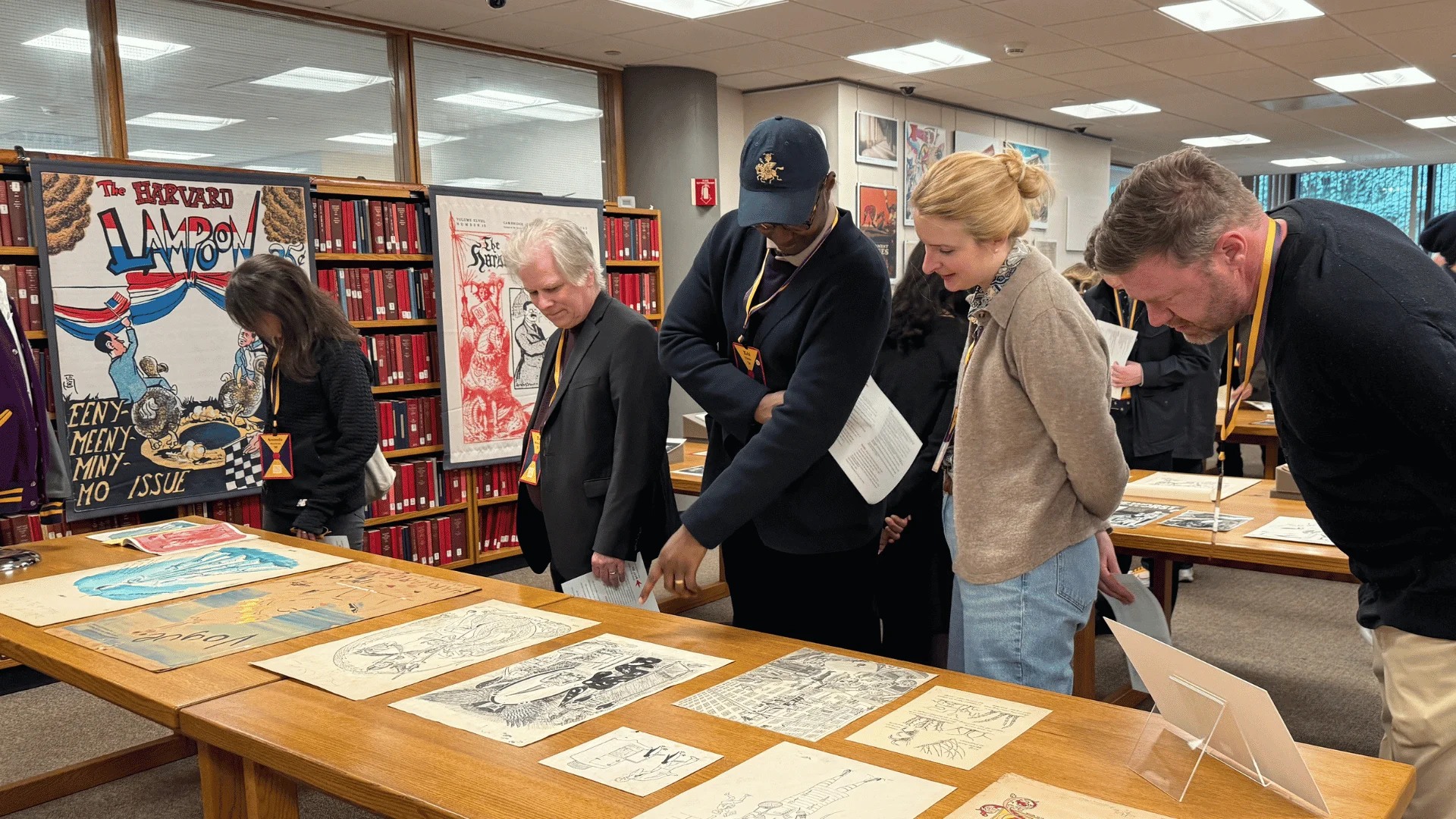
The Harvard Lampoon, a storied institution in the world of satire, celebrated its 150th anniversary with a pop-up exhibit at the Harvard University Archives, drawing together over 100 alumni for a retrospective of its impact and heritage in humor. This landmark moment not only showcased the enduring legacy of the publication but also highlighted the unique camaraderie formed among its contributors.
Among the attendees was Thomas Beale, whose journey into the world of parody began with a clever spoof he found in his youth — a fake James Bond story titled “Alligator.” It wasn't until he was well into the narrative that he realized the clever ruse. “That’s the art of a good parody,” Beale remarked, reflecting on how humor often catches you off guard.
A Glimpse into The Lampoon's Legacy
The exhibit featured nearly 100 items, including unique artifacts from both university archives and alumni's private collections. Beale, now a Cambridge resident and the group’s long-time treasurer, proudly displayed a parody edition of USA Today, which featured an endearing image of his daughters and their dog from years past.
Items were thoughtfully categorized into five themes: early history, rivalries, parodies, celebrations, and the artistic contributions that have adorned the magazine through the years. For instance, architectural sketches of the Lampoon Castle by Edmund M. Wheelwright offered a fascinating look at the publication's physical roots, while historical articles provided insight into its satirical spats with public figures.
Parodies Through the Centuries
The exhibit also provided a rich timeline of parodies that showcased the Lampoon's humor across generations. Visitors read through spoofs ranging from a faux-Greek trilogy titled “The Little Tin Gods-on-Wheels” from 1892 to the 2013 edition of “The Wobbit.” Each piece illustrated the Lampoon's ability to create laughter across various contexts, often directly targeting both campus and national narratives.
One of the more obscure yet notable pieces featured a 1974 article where an imaginary confrontation with John Wayne, portrayed as a defender of his honor, highlighted the lampooning culture that has flourished within the pages of The Lampoon.
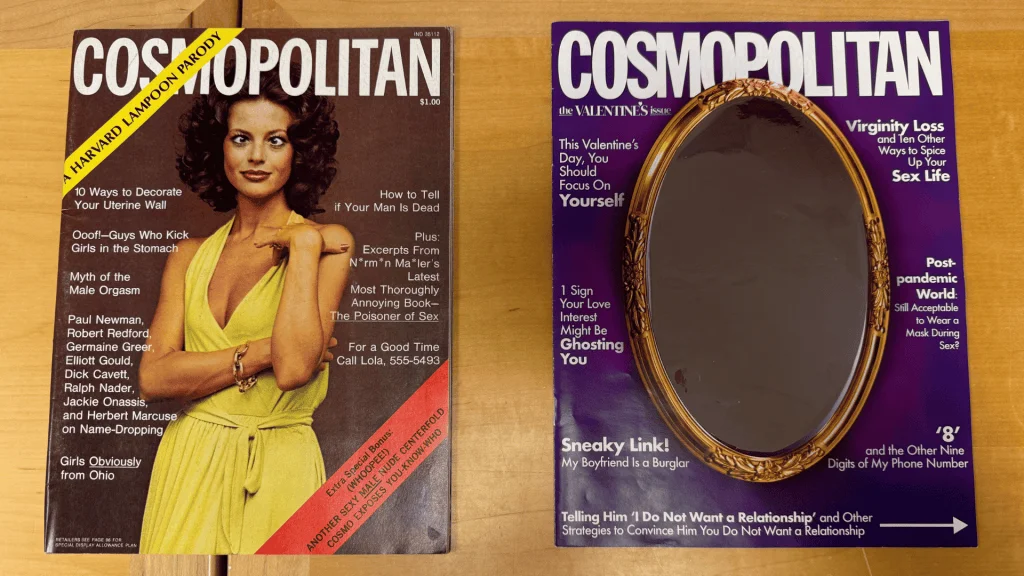
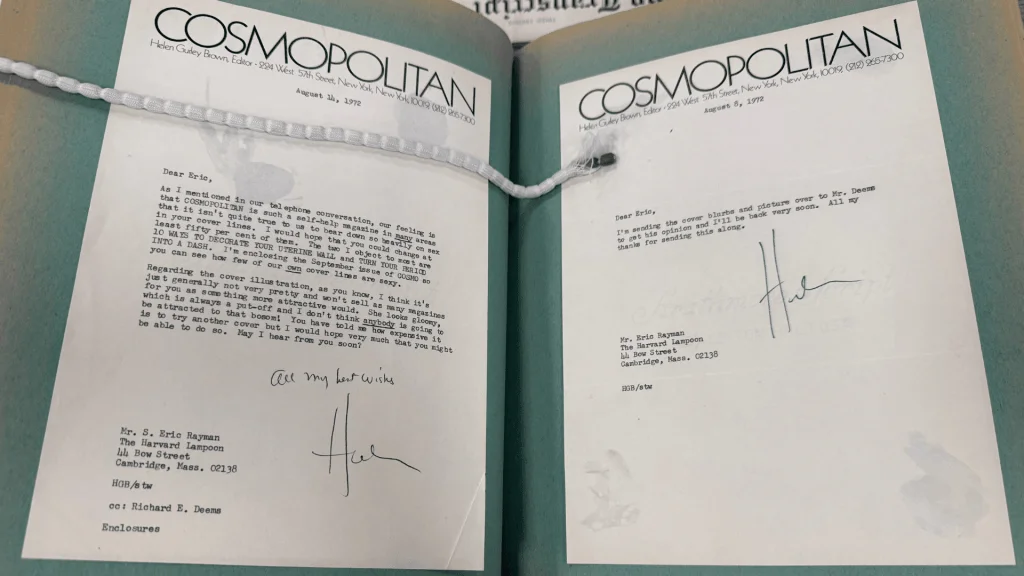
Included among the artifacts were letters from Cosmopolitan editor Helen Gurley Brown, who critiqued their mock covers and encouraged them to raise their standards for "sexiness." Such exchanges illustrate the ongoing dialogue between the Lampoon and wider media, where humor and parody not only entertain but inform conversations around cultural representation.
Rivalries and Collaborations
The spirit of competition was also on display, with tributes to clashes with various rivals such as The Advocate and The Crimson. Photographs and memorabilia from annual baseball games and inter-paper competitions revealed the lighter side of their longstanding rivalries, making for an entertaining recount of 150 years of jest.
While the Lampoon is famous for launching many TV writers' careers, its artistic contributions shouldn't be overlooked. The exhibit highlighted the work of its illustrators, whose drawings have long enhanced the written word. Alexandra Dunn, the collection development archivist, shared anecdotes about the rediscovery of lost art, including sketches and sketches by Henry Russell Wood from 1927 found tucked away in a suitcase.
Mac Whatley, an alum from the class of 1977, expressed his relief that such treasures had been preserved. He shares a history where classmates would throw old work into the trash, lamenting, “There are things I rescued from the street because I couldn’t bear to throw them away.” He believes that the Archives now provide a proper home for these valuable pieces.
As the Harvard Lampoon looks forward, its legacy continues to resonate within the realms of humor and parody, bridging generations of satire while fostering a unique community dedicated to the art of laughter.



Discussion
Sign in to join the discussion.