Alison Farrar's journey from NICU volunteer to psychiatry residency reflects her commitment to integrating medical research and technology for mental health.
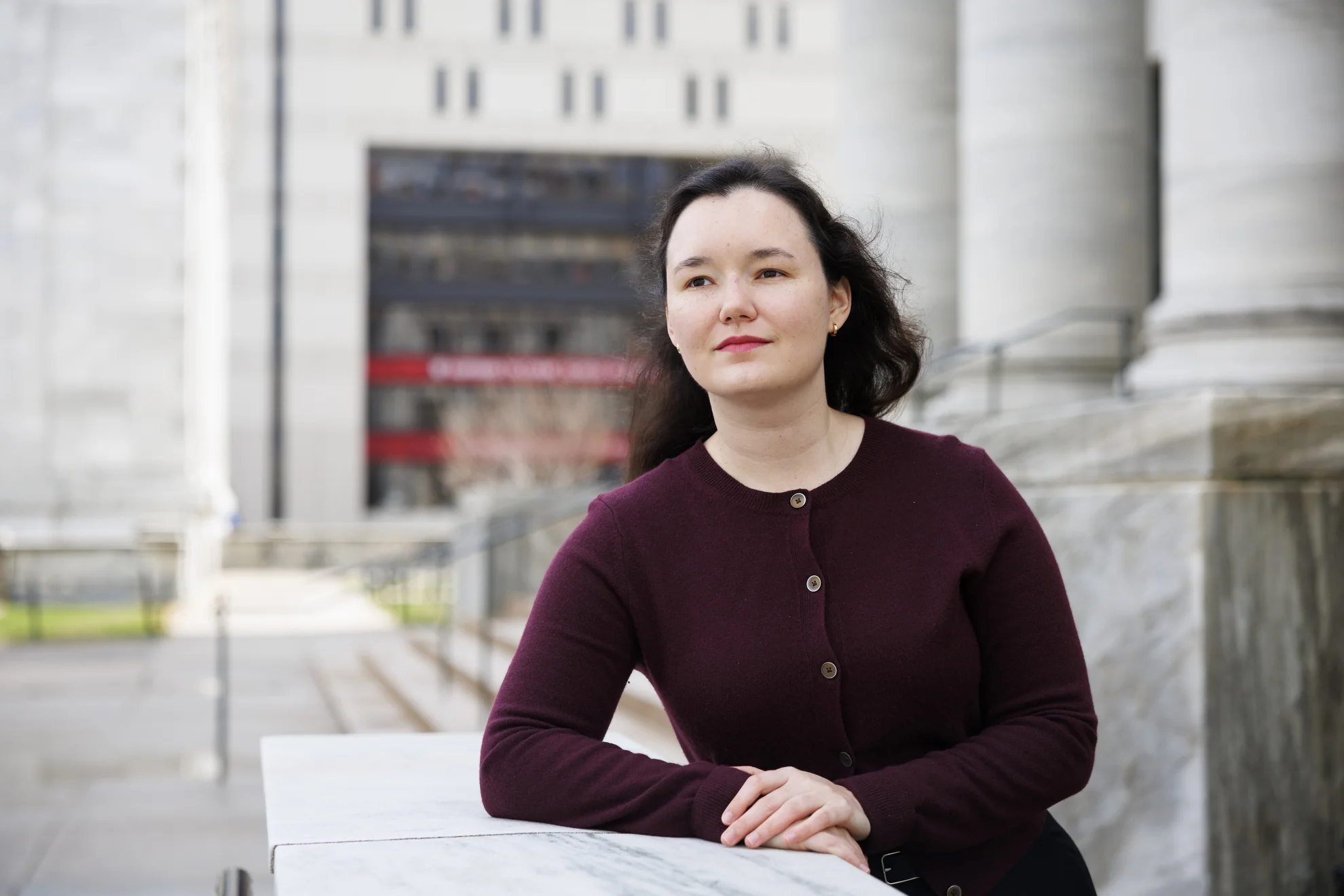
Alison Farrar’s early experience in a neonatal intensive care unit reshaped her understanding of medicine. Volunteers at a hospital in southern California provided an intimate glimpse into the lives of premature infants, a reflection of her own beginnings.
“I had been born very prematurely so I had this connection with the patients that we were serving,” Farrar shared, noting that she was born two months early, an experience colored by her mother's health challenges following sepsis. This connection fueled her passion for helping others, especially those vulnerable from the start of their lives.
The hospital served numerous disadvantaged families, an environment where Farrar felt the impact of healthcare disparities firsthand. Holding babies and speaking to their parents not only allowed her to connect culturally—practicing her Spanish language skills—but also provided critical emotional support.
“We took care of a lot of babies waiting to go into the foster care system,” she explained. “I felt that was special work.” This experience solidified her drive to pursue a career that would span medicine, research, and ultimately, psychiatry.
Her journey took her across states to Alabama and Boston, where she delved deeper into the complexities of healthcare. At the University of Alabama, Farrar studied physics and mathematics, focusing on their applications in medical research. She volunteered at a free clinic, where she ran diagnostic labs, gaining invaluable hands-on experience with a diverse patient population underscored by financial challenges.
“One patient was late for his appointment because his horse was sick,” she recalled, highlighting the unique circumstances her patients faced. However, those varying circumstances reminded her of the pervasive issues related to access and quality of care affecting underrepresented communities.
Farrar’s academic path led her to the Harvard/MIT M.D.-Ph.D. program, culminating in her decision to pursue a D.Phil. at Oxford University. Between 2020 and 2024, she focused on interdisciplinary bioscience, where her research honed in on antibiotic resistance. Working under the guidance of biophysicist Achilles Kapanidis, she developed rapid testing methods that used ribosomal shifts within cells to identify drug resistance.
Her published work, detailed in Communications Biology, demonstrated an impressive 99 percent accuracy in detecting antibiotic resistance based on the ribosomal behavior after antibiotic exposure. This advancement promised a significant reduction in processing times for tests—from several days to as brief as 30 minutes—by eliminating the need to culture cells prior to analysis.
Kapanidis praised Farrar’s unique perspective, blending her training in mathematics, physics, and medicine. “She’s versatile, fearless, and very, very motivated,” he said, acknowledging the additional challenges presented by the COVID-19 pandemic during her research.
While immersed in her academic pursuits, Farrar didn’t neglect her commitment to support mental health. Taking on a coordinating role at the Oxford Nightline, she managed a crisis hotline during a time when mental health issues escalated dramatically due to pandemic pressures. “That was a really meaningful part of my time at Oxford, and I think led me to psychiatry,” she remarked.
Upon completing her D.Phil., Farrar returned to Harvard Medical School (HMS) for her final clinical years, where she rotated through various specialties including psychiatry at notable institutions like McLean Hospital, Beth Israel Deaconess Medical Center, and Massachusetts General Hospital.
As she finishes her training, Farrar is set to begin a psychiatry residency research track at Beth Israel Deaconess Medical Center. With both an M.D. and a Ph.D. in her repertoire, her ambitions center on blending research with patient care. “I definitely want to continue doing a mix of research and treating patients,” she affirmed. Her interest lies particularly in digital mental health solutions like wearable devices that may revolutionize psychiatric research and patient interaction.
Looking ahead, Farrar is eager to explore where her clinical experiences and aspirations will lead, embodying a future that not only addresses immediate healthcare needs but also embraces technological advancements for improved patient outcomes.

Discussion
Sign in to join the discussion.