Increasing public resistance to data centers is driven by environmental worries and questionable economic benefits, sparking debates across various communities.
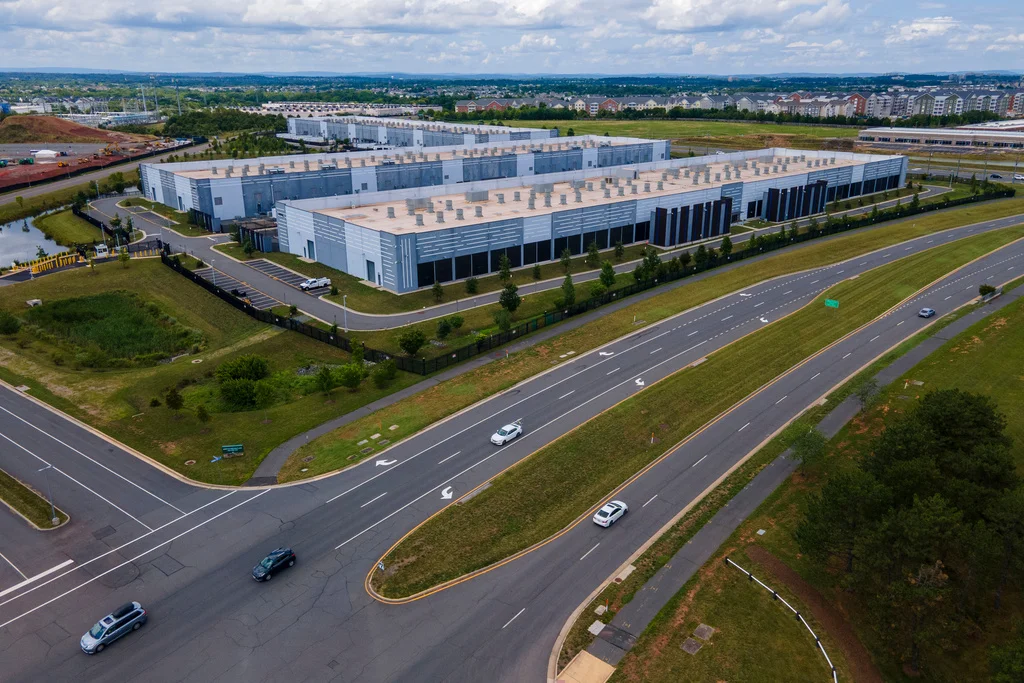
Data centers are proliferating across the United States, fueled by the escalating demand for artificial intelligence and enticing state tax incentives. With over 4,000 facilities already operational, primarily in Virginia, Texas, and California, and an additional 3,000 on the drawing board, the landscape is transforming rapidly.
Despite claims from developers and tech giants who argue that data centers can provide job opportunities and stimulate local economies, mounting opposition highlights legitimate concerns surrounding the extensive electricity and water demands these facilities impose on communities. A recent poll by the Pew Research Center indicates a growing public unease regarding these issues.
Community Pushback: Legitimate Concerns or Exaggerated Fears?
Recent surveys reveal significant dissatisfaction among the public toward data centers, including concerns over climbing electricity costs and substantial water usage. There are also apprehensions about tax breaks granted to developers, leading many to argue that these deals do not yield the promised local economic benefits, particularly in job creation.
Ben Green, an assistant professor at the University of Michigan, emphasizes that many community worries are valid. According to Green’s research, data center projects frequently disappoint at the local level, leading to adverse impacts on public resources.
It's noteworthy how communities are mobilizing against these projects, often positioning themselves against some of the wealthiest corporations. While not all resistance meets with success, many local efforts to halt data center developments have achieved notable victories, including moratoriums in several municipalities.
The Scale of Demand: Examining Resource Consumption
The typical commercial definition of a hyperscale data center is a facility exceeding 10,000 square feet and hosting more than 5,000 servers. However, these standards are eclipsed by new projects emerging today. For instance, a massive facility associated with OpenAI’s Stargate Project in Michigan is designed to exceed 2 million square feet while requiring 1.4 gigawatts of power—sufficient energy to power approximately one million households.
The broader implications of this expansion are significant; projections suggest that data centers may account for 10 to 15 percent of the total national electricity demand within just a few years. This surge poses a challenge for ongoing efforts to transition to renewable energy sources, potentially delaying the closure of fossil fuel plants.
Are Jobs the Real Benefit?
Developers frequently promote the idea that data centers will create local jobs, a narrative designed to entice policymakers into offering tax breaks and other incentives. But Green argues that this is often a misleading promise. While the construction phase may employ a local workforce, the long-term operational needs of data centers usually require minimal staffing—typically around 20 to 50 employees, primarily for maintenance purposes, rather than a diverse range of professional roles.
Moreover, economic benefits extend little beyond immediate job opportunities. Tax revenues from these centers often fail to compensate for tax breaks granted, which can total over a billion dollars a year across states like Virginia and Georgia. Such losses can divert money away from critical public services like infrastructure and healthcare.
Bipartisan Concerns Over Data Center Expansion
The issue of data center proliferation has emerged as a bipartisan concern, attracting attention from various political spectra. Residents across both liberal and conservative communities recognize the tangible effects of data centers on their daily lives. This shared discontent is generating unusual political coalitions that could reshape campaign strategies, as evidenced by recent elections in states like Virginia and Georgia.
Regulatory Reforms: Navigating the Future
Policy adjustments are becoming increasingly necessary to address the rapid expansion of data centers. Green advocates for the repeal of tax incentives that currently encourage development, arguing that this shift is crucial for ensuring that local communities are not unduly burdened.
Beyond tax reform, transparency measures around data center agreements are essential. Communities deserve to know the terms and implications of these projects without shrouded contracts and nondisclosure agreements. Additionally, consumer protections should be established to prevent rising utility costs from being passed to residents due to infrastructure upgrades required for these facilities.
Lastly, communities should play a more substantial role in deciding the terms under which data centers are developed. Given the considerable future demand for water and energy these projects entail, careful consideration of local resources and climate goals must guide decisions moving forward.
The desire for rapid data center development shouldn't overshadow renewable energy initiatives. As the industry expands, the need for sustainable practices becomes vital—communities must not sacrifice their climate goals for promises of job creation or short-term economic benefits.



Discussion
Sign in to join the discussion.