Fed Chair Jerome Powell highlights unsustainable U.S. debt levels and stresses the importance of economic growth in a recent Harvard talk.
Alarm Over U.S. Government Debt
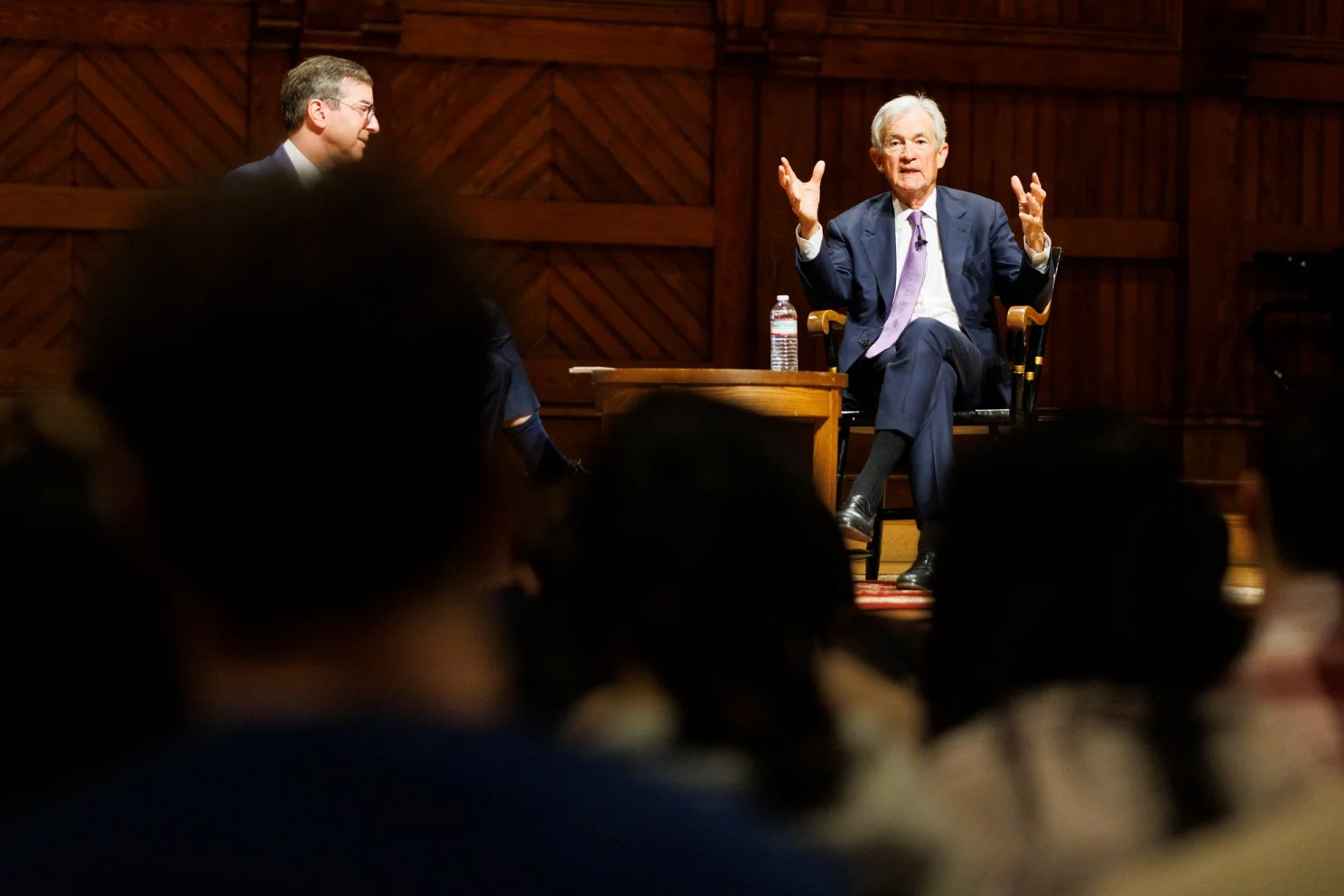
During a recent talk at Harvard, Federal Reserve Chairman Jerome Powell raised alarms regarding the unsustainable trajectory of U.S. government debt, currently standing at approximately $39 trillion. This figure represents not just a number on a balance sheet but a growing concern that could jeopardize long-term economic stability. Powell underscored that while the nation’s balance sheet isn't the immediate problem, the Congressional path of overspending is a significant concern that needs rectification to ensure economic stability. The stakes are high; a failure to address this issue could lead to severe ramifications for fiscal policy and social spending in the future.
Economic Growth vs. Overspending
“The country has to get back to ensuring that the economy is growing fast enough to keep pace with spending,” Powell emphasized, warning, “It will not end well if we don’t do something fairly soon.” This urgency reflects a broader consensus among economists: unchecked government spending can outstrip economic growth, posing challenges not only for future administrations but for taxpayers and beneficiaries of government programs. Powell's remarks were part of a broader discussion within a macroeconomics course co-taught by the Kennedy School’s Jason Furman and David Laibson, where they examined the critical balance between fiscal responsibility and economic growth.
Resilience of the Financial System
Powell displayed confidence in the resilience of the U.S. financial system, attributing it largely to measures taken post the 2008 financial crisis. “We have a hugely resilient financial system,” he noted, which speaks volumes about the regulatory frameworks that have emerged in the last decade. By advocating for ongoing vigilance rather than attempts to eliminate all risks, Powell is promoting a more realistic approach to financial oversight. Currently, he doesn't see systemic threats in private credit markets, though this remains a point of careful scrutiny. The lessons learned from the past are invaluable, but complacency could lead to repeating mistakes.
Inflation and Geopolitical Pressures
Touching upon recent challenges, including inflation and the conflict in Iran, Powell reaffirmed the Fed's commitment to maintaining a target inflation rate of 2 percent. This target isn't arbitrary; it’s a figure rooted in economic theory that aims to provide a stable economic environment conducive to growth. Despite external pressures from tariffs and energy price fluctuations stemming from geopolitical tensions, Powell insisted that the Fed intends to monitor the economic landscape before making any abrupt policy shifts. The complexity of inflation, particularly in a globalized economy, makes this a balancing act that requires nuanced understanding and strategic foresight.
Soft Landing in Economic Recovery
“I would call that a soft landing,” he said, referring to the economic status as of late 2024 when U.S. growth approached 2.5 percent, aligning inflation with targets while the labor market was effectively robust. A "soft landing" suggests recovery without severe repercussions, but what does that really mean for average Americans? If you're working in this space, recognizing the subtleties of economic indicators can provide a clearer picture of what lies ahead, particularly how they impact employment, wages, and quality of life. The balance between inflation control and economic growth is delicate—too much tightening could stifle growth, while too little could exacerbate inflation.
Younger Workers and the Future
On the subject of employment, Powell acknowledged the difficulties faced by younger workers in today’s labor market but encouraged students to remain optimistic about future economic conditions, stressing the importance of adapting to AI advancements. This acknowledgment points to a significant shift in job markets and the skills required to thrive. As automation and artificial intelligence continue to transform industries, the workforce must evolve, often requiring retraining and adaptation that can be overwhelming. (And this is the part most people overlook.)
The Role of Central Bank Independence
While he refrained from commenting directly on Kevin Warsh, Trump’s nominee for the next Fed chair, Powell did advocate for the importance of central bank independence amid political pressures. “We’re not trying to work against any politician or any administration, but we have to be careful to stick to what we’re doing,” he stated. This commentary highlights the delicate balance required in managing monetary policy amid fluctuating political landscapes. Political pressures can distort economic policy, and maintaining independence is essential for effective governance.
Implications and Future Outlook
Powell’s insights at Harvard serve as a reminder of the complexities facing the Fed as it navigates economic recovery, inflationary pressures, and the overarching imperative to manage national debt sustainably. The implications of his statements are profound: how the Fed chooses to respond to these signals can have far-reaching effects on not just the U.S. economy, but on global markets as well. Addressing national debt and inflation isn’t just the Fed's job; it’s a shared responsibility that requires collaboration across various sectors. As the Fed moves forward, stakeholders must remain engaged to ensure that economic health is prioritized without succumbing to short-term political gains.



Discussion
Sign in to join the discussion.