Experts shed light on the substantial risks posed by AI and geopolitical tensions, highlighting potential economic instability and job losses.
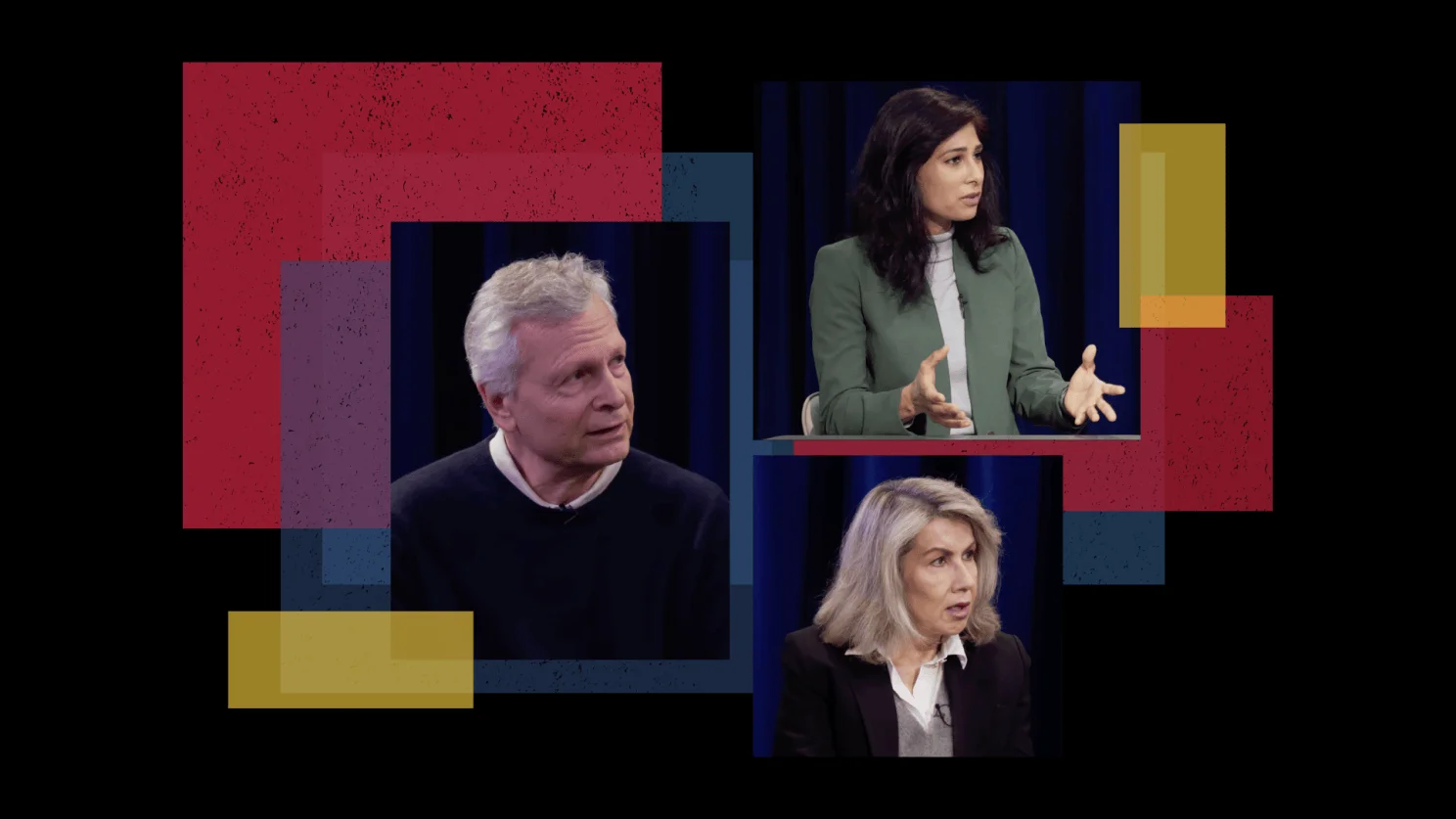
The consequences of ongoing geopolitical tensions and technological advancements are shaping the discourse among leading economists. A recent symposium featuring Harvard's Gita Gopinath, Carmen Reinhart, and Dani Rodrik provided insights into the looming challenges for the global economy, particularly focusing on the role of artificial intelligence and current military conflicts.
The Shadow of AI on Employment
Gita Gopinath raised significant concerns regarding artificial intelligence’s impact on the labor market, emphasizing that today's threats are far more severe than those experienced following the 2008 financial crisis. The label “jobless recovery” became associated with that period due to widespread automation of jobs, leading companies to forgo rehiring.
Gopinath warned, “We risk entering a recession that could bring about job losses on a grand scale, surpassing those seen in the aftermath of the financial crisis.” Her expertise as a former deputy managing director of the International Monetary Fund lends weight to her assertion that today’s economic environment is precarious.
Geopolitical Tensions Affecting Economies
Panelist Carmen Reinhart highlighted that the consequences of conflicts, such as the escalating war between the U.S. and Israel and Iran, extend beyond immediate spikes in oil prices. She pointed to rising fertilizer prices as merely one example of inflation pressures building in the wake of such conflicts. “Higher inflation risks are on the horizon,” she remarked, suggesting this trend could influence U.S. Federal Reserve actions regarding interest rates.
Additionally, Reinhart touched upon the notion that the current U.S. conflict might have inadvertently reinforced the dollar's status as a safe haven for global investors, creating a stark contrast to previous sentiments of doubt surrounding its dominance. “The classic ‘flight to quality’ has asserted itself,” she noted, indicating a potential shift in investor confidence.
The Tariff Conundrum
In discussing the impacts of tariffs and trade policies introduced since the Trump administration, Dani Rodrik noted that the global economy surprisingly remained stable despite a series of regulatory shocks over the past year. However, he expressed concern about a psychological disconnect that could jeopardize U.S. growth, compounded by a series of cumulative crises that might foster pessimism among businesses and investors.
Reflecting on the depreciation of the dollar that followed the “Liberation Day” tariffs, Rodrik pointed out that the recent uptick in the dollar's strength stems from investors seeking stability amid global uncertainties.
Lessons from Brexit
The discussion drew parallels with the effects of Brexit on the U.K. economy. Initially feared to cause significant downturns, the long-term economic repercussions have become more apparent over time. Gopinath remarked, “Two years in, investment rates remained strong, leading many to believe the consequences were inflated fears.” However, as time passed, the reality proved to be quite different, with estimates of Brexit's economic impact revisited and revised upward.
AI Investments: Boon or Bubble?
The potential for artificial intelligence to disrupt the economy was another critical topic, with multiple panelists noting signs of speculative behavior surrounding AI funding, juxtaposed against substantial recent investments. Reinhart voiced skepticism about whether current investments might perpetuate a bubble, stating, “Are the symptoms there? The answer is yes.”
Rodrik offered a contrasting perspective, suggesting AI's capacity to democratize access to professional skills might act as a balancer for income inequality if managed correctly. Nonetheless, he cautioned that sufficient democratic engagement is vital to ensure technology serves broader social goods.
The Future of Work and Taxation
If indeed an AI bubble exists and subsequently bursts, the repercussions could be extensive. Gopinath explained that many economies depend on labor income taxes for public revenue; however, if AI generates a shift favoring capital income, adjustments to tax structures would be essential for maintaining current levels of societal support.
“Transformative changes in labor versus capital shares would necessitate a recalibration of our tax policies,” she warned. “Relying on labor income taxation could become untenable in a radically different landscape.”
This symposium, hosted by David M. Cutler, highlighted that currently unexamined connections between geopolitical crises, economic health, and technological advancement could define the economic terrain in the coming years. The insights shared paint a picture of a complex, interwoven future where vigilance in policymaking becomes crucial to navigate the turbulent waters ahead.



Discussion
Sign in to join the discussion.