Emotional intelligence is increasingly recognized by employers as essential, especially in the context of AI, driving effective team dynamics and productivity.
The Value of Emotional Intelligence in Today’s Workplace
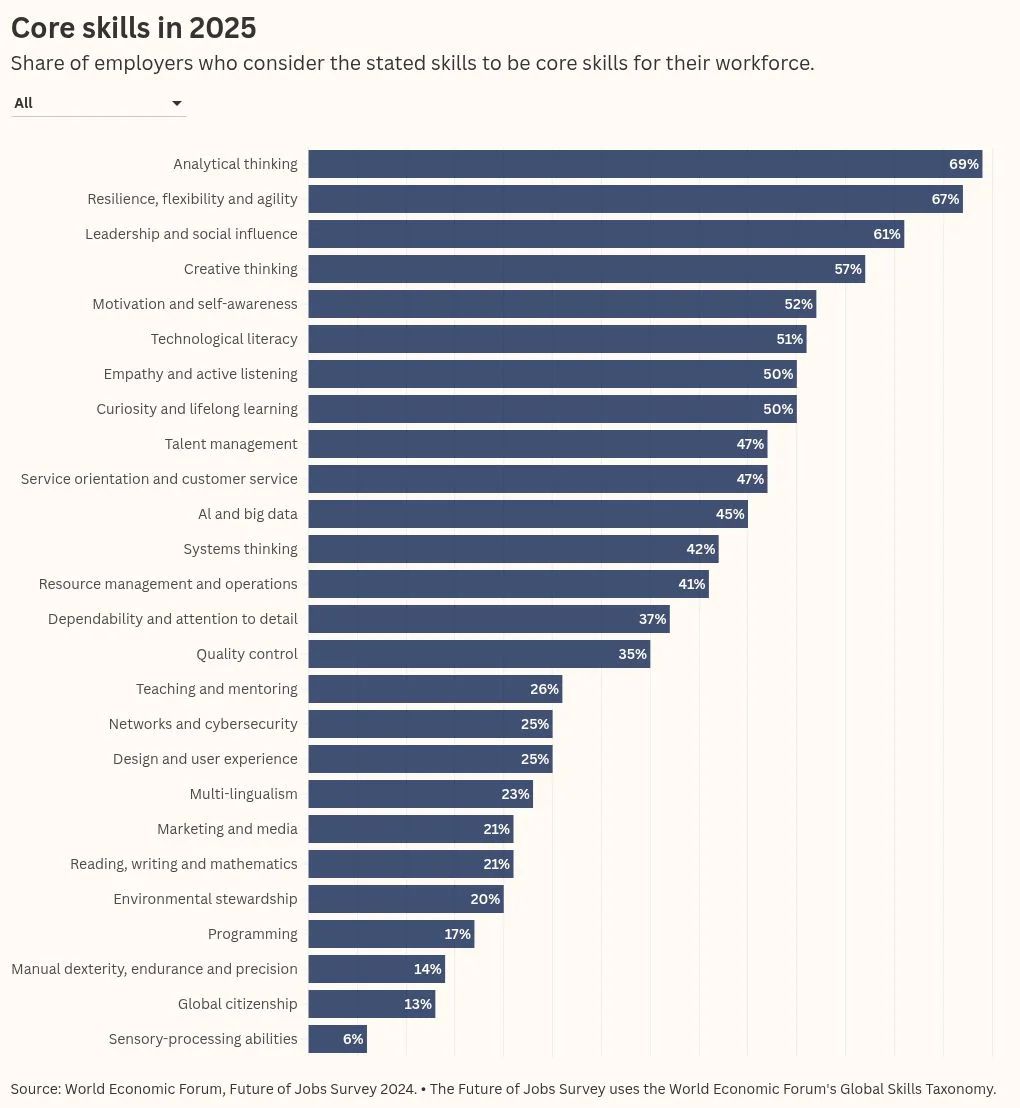
A recent report from the World Economic Forum has underscored the rising demand for emotional intelligence (EQ) among job seekers. Traditional skills like analytical thinking are still essential, but emotional skills such as motivation, self-awareness, empathy, and active listening have emerged as critical competencies for success across various industries. Employers are increasingly recognizing that individuals who possess these emotional skills can foster a productive work environment, leading to stronger collaboration and better outcomes for teams. It's not just about having the right qualifications anymore; emotional intelligence is becoming a fundamental criterion in hiring processes.
Understanding Emotional Intelligence
Emotional intelligence isn't merely a different type of intelligence; it reflects a nuanced understanding of human emotions. Psychologists have long acknowledged multiple forms of intelligence, but EQ stands out due to its relevance in today’s work environment. In developed societies, where basic needs are often met, conflicts frequently stem from emotional mismanagement and relational misunderstandings. Recognizing and effectively handling one’s emotions, along with reading and responding to others' feelings, is pivotal in fostering harmonious workplace dynamics. This skill set empowers employees to navigate challenging interpersonal situations and contributes to more cohesive team interactions. Proficiency in emotional intelligence can mean the difference between a thriving workplace and a toxic one, and that has substantial implications for productivity and employee retention.
Why Employers Prioritize Emotional Intelligence
Many skilled professionals excel in technical and analytical roles but struggle with interpersonal interactions, which can lead to stalled projects and wasted resources. Miscommunication and emotional frictions often hamper productivity, as individuals expend energy on maintaining appearances rather than effectively collaborating. Employers are recognizing the competitive advantage of hiring individuals who not only possess technical skills but can also navigate social dynamics adeptly. The ability to understand and relate to others resonates deeply in team-oriented environments where collaboration is key. If you're working in this space, you know that emotional intelligence isn't just a nice-to-have—it's increasingly seen as a deal-breaker. Companies that prioritize EQ in their hiring practices may find themselves with teams that are not only more productive but also more engaged and loyal.
The Evolution of Emotional Intelligence Concepts
The term "emotional intelligence" gained prominence following Daniel Goleman's 1995 book, which highlighted the gap between academic intelligence and life success. It illuminated a fundamental truth: high scores on standardized tests don't guarantee workplace efficacy or emotional well-being. Individuals with lower academic accolades frequently outshine their more academically gifted counterparts due to their strong interpersonal skills. Goleman’s work shifted the conversation around intelligence, from cognitive capabilities alone to a broader understanding of success that includes emotional insight. As industries evolve, so does the recognition of EQ as an essential complement to technical know-how. This isn't merely a trend—it's a shift in understanding how teams function most effectively.
Relevance in the Age of Artificial Intelligence
With the increasing integration of artificial intelligence into the workplace, the importance of authentic human interactions is likely to amplify. While AI systems can mimic emotional responses, they lack the authenticity and relational depth found in human connections. As work environments continue to evolve, the urge for genuine interaction will persist. People may find themselves seeking meaningful connections over superficial engagements, especially given the growing reliance on technology for everyday tasks. The irony is clear: as our tools become more technologically advanced, the value of being truly present with one another grows stronger. (And this is the part most people overlook.) The rise of AI may well mean that those who can navigate and manage emotional landscapes effectively will be more sought after than ever.
“As people increasingly are interacting with chatbots rather than real human beings to get their work done, I suspect that authentic, connected human interactions are going to become more important.”
Key Components of Emotional Intelligence
Developing emotional competence involves several core components. First is self-awareness, the ability to recognize one’s own emotions and feelings. This foundational skill allows individuals to engage more thoughtfully in interactions. Second is self-regulation, which involves managing these emotions constructively rather than letting them dictate behavior. Third is social awareness, the ability to empathize with others, acknowledging their needs and emotions—a skill especially vital in today's diverse work culture. Finally, strong social skills encompass the ability to collaborate effectively and resolve conflicts. These skills aren't just significant in professional settings; they play a crucial role in personal relationships as well, where many struggles arise from difficulties in emotional management and connection. It’s striking how much of our interactions hinge on these seemingly soft skills.
Future Outlook on Emotional Intelligence
Emotional competence isn't just an asset in professional settings; it's a vital skill set across all aspects of life. As organizations navigate increasingly complex emotional landscapes, individuals equipped with high emotional intelligence stand to lead in both their careers and personal relationships. Balancing analytical proficiency with emotional acuity will likely dictate success in the future workplace. Companies that invest in developing their employees' emotional intelligence could cultivate a more harmonious environment, which may lead to reduced turnover and increased employee satisfaction. This shift in focus towards emotional skills reflects broader societal changes, emphasizing the interconnectedness of human experiences in all areas of life. As we look ahead, it's clear that honing emotional intelligence won’t just be beneficial—it's becoming essential for thriving in the 21st-century workplace.



Discussion
Sign in to join the discussion.