Kenneth Rogoff's new book warns of a declining status for the U.S. dollar, linking its future to fiscal problems and global economic shifts.
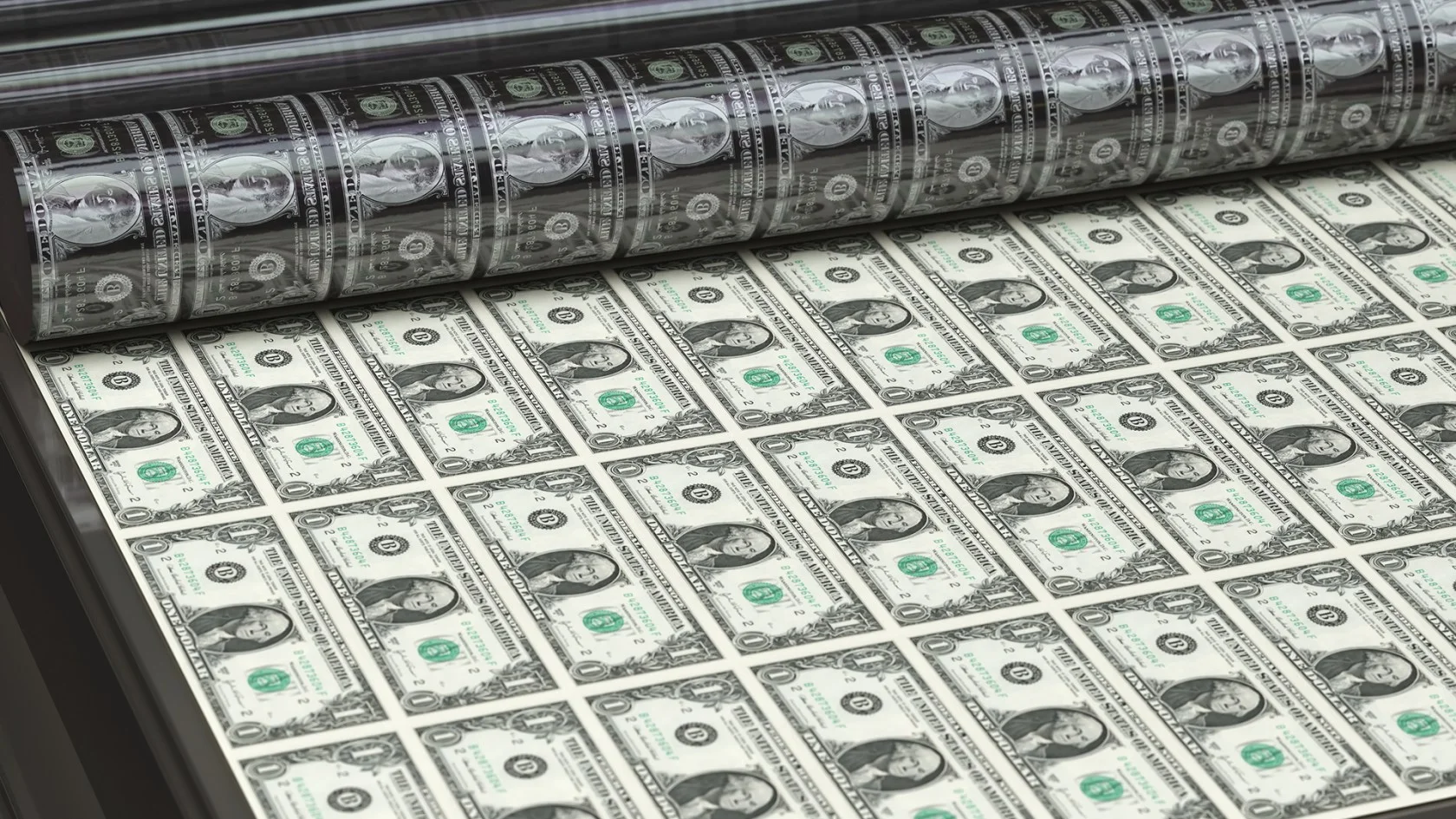
We might be witnessing a significant shift in the global financial order, particularly concerning the status of the U.S. dollar. In his latest publication, Our Dollar, Your Problem: An Insider’s View of Seven Turbulent Decades of Global Finance, and the Road Ahead, economist Kenneth Rogoff provides an analytical perspective on the currency's current trajectory and future prospects.
Rogoff contends that the U.S. dollar, long the preeminent currency in international trade and reserves, faces an impending decline. “My thesis is that the U.S. dollar is about to get knocked down a couple pegs,” he explains. He acknowledges that while the dollar will maintain its leading position in global finance, it won't hold the same exclusivity it once did.
Reflections on Economic Trends
Written prior to the 2024 election, Rogoff’s book intertwines personal narratives from his distinguished career with a historical overview of the dollar's journey through economic turmoil. From his teenage years as a chess prodigy in Eastern Bloc countries to his role as chief economist at the International Monetary Fund, Rogoff's insights reflect both individual experiences and broader economic trends.
The timing of this book coincides with recent fluctuations in the market, particularly following substantial sell-offs in U.S. Treasuries and a downturn in dollar value post the April 2024 tariff announcement by former President Trump. Rogoff points out that the dollar might have peaked in its global influence around 2015 and is now on a downward slope, exacerbated by fiscal deficits and rising interest rates.
External Pressures on Dollar Dominance
Rogoff highlights that the ability to impose economic sanctions has historically substituted for military action and has come with valuable access to international financial data. This centrality of the dollar is becoming increasingly noticeable in Asia, where countries like China are eager to diminish the dollar's pull. The U.S. sanctions placed on Russia after its invasion of Ukraine revealed vulnerabilities in the global financial system that other nations are keen to exploit.
Daily Impact of Dollar Dominance
The implications of dollar strength extend into the everyday lives of Americans, often unnoticed. For example, the current lower interest rates have contrasting effects on borrowing costs. If the dollar’s position continues to falter, the consequences will be felt more acutely, particularly for a nation with a staggering $36 trillion debt. A shift in the dollar’s status could lead to a sharp increase in interest payments.
Moreover, the privileges enjoyed in the wake of global crises, like the pandemic or past financial downturns, suggest that the U.S.'s ability to borrow at low costs may be threatened. A diminished dollar status signals a potential shift in how external crises impact American financial stability.
The Book's Provocative Title
The title of Rogoff's book recalls a historical moment when President Nixon severed the dollar’s direct tie to gold in 1971, clearly marking a pivotal transformation in global finance. During this era, Treasury Secretary John Connally famously claimed, “It’s our dollar, but it’s your problem,” embodying a sense of American financial superiority. Rogoff argues that this notion of responsibility towards foreign nations is critical, as the ripple effects of U.S. monetary policy can lead to inflationary pressures that ultimately harm the U.S. itself.
Future Forecasts and Economic Challenges
Throughout his book, Rogoff discusses various historical challenges to U.S. financial preeminence, touching on the unexpected stagnation of economies like Japan and Europe, and earlier, the Soviet Union’s potential to outpace the dollar. Reflecting on his own experiences navigating these economic landscapes as a youth, Rogoff remained skeptical of the prevailing narratives espoused by academic economists during his formative years.
Looking ahead, he acknowledges that while the dollar isn’t on the brink of immediate collapse, persistent challenges fueled by current geopolitical tensions under figures like Trump are accelerating the timeline of decline. Rogoff’s nuanced analysis reveals outlier predictions regarding interest rates, inflation, and the evolving role of the dollar, suggesting a complex future for this once-invincible currency.
As Rogoff reflects on the motivations behind his new work, he invites readers to reconsider their assumptions about the durability of the dollar. Despite its longstanding dominance, the conditions fostering its supremacy are rapidly evolving, suggesting a need for strategic foresight in both economic policy and global financial relationships.
Indeed, Rogoff's insights pose pressing questions about the sustainability of the dollar's dominance and what a future with multiple global currencies might imply for international economic relations.



Discussion
Sign in to join the discussion.