Senator Rick Scott supports tariffs as a strategy to bolster American workers while emphasizing a tough stance against China’s economic power.
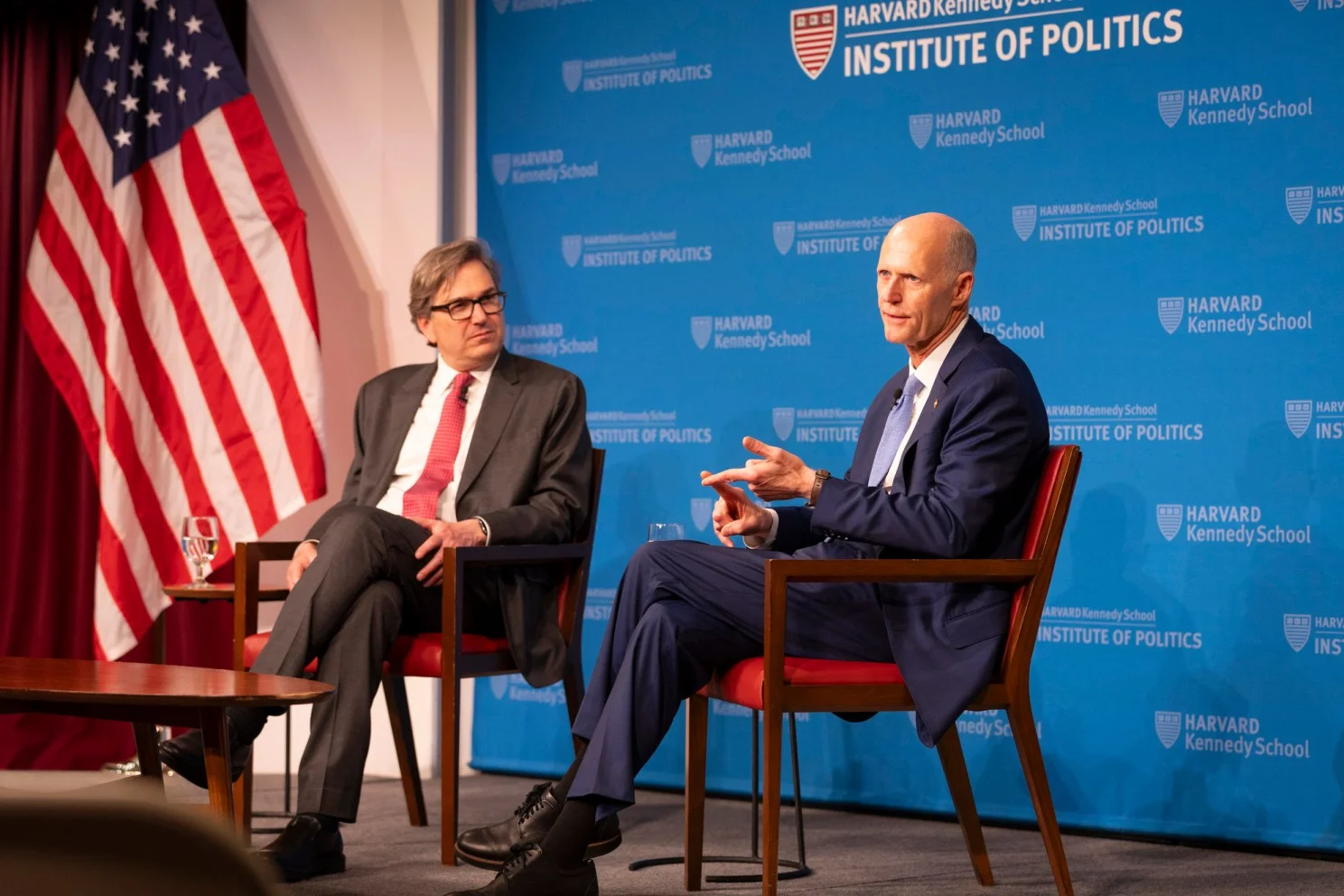
During a recent discussion with Jason Furman, Aetna Professor of the Practice of Economic Policy, Republican Senator Rick Scott defended the Trump administration's tariff policies as a necessary measure to enhance American competitiveness on the global stage. Scott argued that these tariffs are a way to encourage other countries to reduce their own tariffs on U.S. goods. This assertion stands at the center of a broader debate on trade policy and U.S. economic strategy that has polarized economists and policymakers alike.
The Benefits of Tariffs: A Senator's Perspective
Scott’s conversation with Furman highlighted a significant divide in how tariffs are perceived. “What [President] Trump is saying is that the American worker is not going to be disadvantaged any longer,” Scott stated, emphasizing his aim for American exports to thrive. It seems Scott's vision sees tariffs as protective barriers that allow domestic workers and industries to compete on a more level playing field. This framing taps into a populist sentiment that resonates with many who feel economically marginalized by globalization.
Scott advocates for lowering trade barriers: “My approach would be I want the American worker to sell more stuff. So, lower your tariffs, lower your barriers, get rid of all of it.” This perspective is reminiscent of a larger trend within U.S. trade policy in recent years, aimed at reshaping economic relationships with foreign partners. Lowering tariffs is generally viewed as a necessity for boosting export sales, thus stimulating domestic production and job growth. Now, whether tariffs ultimately achieve these ends is a fundamentally contentious question.
The Impact of Tariffs on Global Markets
In early April, the U.S. government implemented sweeping tariffs affecting most nations, a move aimed at reconfiguring longstanding trade policies. This shift has contributed to significant fluctuations in global stock markets and is reported to have played a role in a decline in GDP during the first quarter. Market watchers have seen hints of panic, spurred by concerns over a cascading effect that these tariffs could have on both domestic and international markets. For many investors, the uncertainty this creates is untenable — and the volatility is likely to be felt well beyond the initial implementation period.
At the JFK Jr. Forum on April 13, Furman challenged Scott on whether the government might have achieved better outcomes through negotiation rather than imposing tariffs unilaterally. Furman raised a pertinent point: could the crisis from these tariff impositions have been mitigated through more diplomatic channels? According to him, a more thoughtful approach could have prevented the panic that led to about $6 trillion evaporating from the stock market. That’s a staggering loss, one that underscores the high stakes involved in trade policy decisions.
Scott's Firm Stance on Trade Agreements
Despite these concerns, Scott remains resolute that tariffs ultimately benefit American workers. His articulation of a distinct vision for trade reflects a belief in reciprocal arrangements, where barriers are flattened to allow U.S. products to flourish: “I want American workers to sell their stuff. Don’t put any barrier on us; we won’t put any barriers on your country’s workers … I don’t know if it’s better to do a big deal like that or individual deals, but I would make it as simple as that.” As a key ally of Trump and former governor of Florida, Scott's stance aligns closely with top administration policies, which favor an assertive approach to trade that prioritizes American interests.
“My belief is that we should do no trade with China. The only way we don’t go to war with China is if their economy is demolished.”
Sen. Rick Scott
Critics' Views and Economic Ramifications
While Trump argues that tariffs can rectify trade imbalances and bolster U.S. manufacturing, many economists offer a different perspective. In a New York Times op-ed, Furman warned that these tariffs could hinder economic growth. The prevailing view among skeptics is that tariffs might protect certain industries while simultaneously leading to increased costs for consumers and potential retaliatory measures from other countries. This creates a cycle of escalating trade tensions that could bring unintended consequences.
Beyond tariffs, the dialogue covered broader issues including relations with China, U.S. debt, and presidential powers. Scott expressed his strongest critiques towards China, seeing its growing economic influence as a serious issue for the U.S. over other nations like Russia. “My belief is that we should do no trade with China,” he reiterated, underscoring a zero-sum view on economic engagement. The rhetoric around China reflects a significant ideological shift in U.S. trade policy, and this approach could shape future policy negotiations.
The current tariff regimen imposes a 10 percent tax on most countries, while China faces significantly higher rates, totaling 145 percent. In retaliation, the Chinese government has imposed a 125 percent tariff on imports from the U.S. This tit-for-tat response exemplifies how intricate and unpredictable international trade can be, showcasing the risks associated with unilateral trade actions.
Fiscal Responsibility and Future Uncertainties
Addressing national debt—an issue with long-term implications—Scott pointed out that the Congressional Budget Office estimates it will reach $20 trillion in the next decade. Stressing fiscal responsibility through a balanced budget and reduced expenditures resonates with conservative values. However, such measures must be carefully balanced against the backdrop of economic policy changes, including tariffs. While Scott maintains that inflation could worsen due to tariffs, he expresses uncertainty: “I don’t know what the tariffs will do to inflation... I think inflation will only get under control if we balance the budget. We’ll see what the tariffs do.” The ambiguity in his answer reflects broader uncertainties about the interaction of trade policies and macroeconomic stability.
Looking Ahead: The Long-Term Implications of Tariff Policies
The debate over tariffs isn't just an economic issue; it’s emblematic of a larger ideological battle about the U.S.'s role in the world economy. If you're working in this space, you'll find that the implications of these policies could extend far beyond mere numbers on a balance sheet. The long-term effects on American competitiveness, international relations, and domestic industries remain to be seen. As debates continue to rage, the question lingers: can America find a pathway to enhanced competitiveness without resorting to protective measures that might do more harm than good?



Discussion
Sign in to join the discussion.