Exploring the potential consequences of President Trump's threats to remove Fed Chair Jerome Powell, experts weigh in on market reactions and legal ramifications.
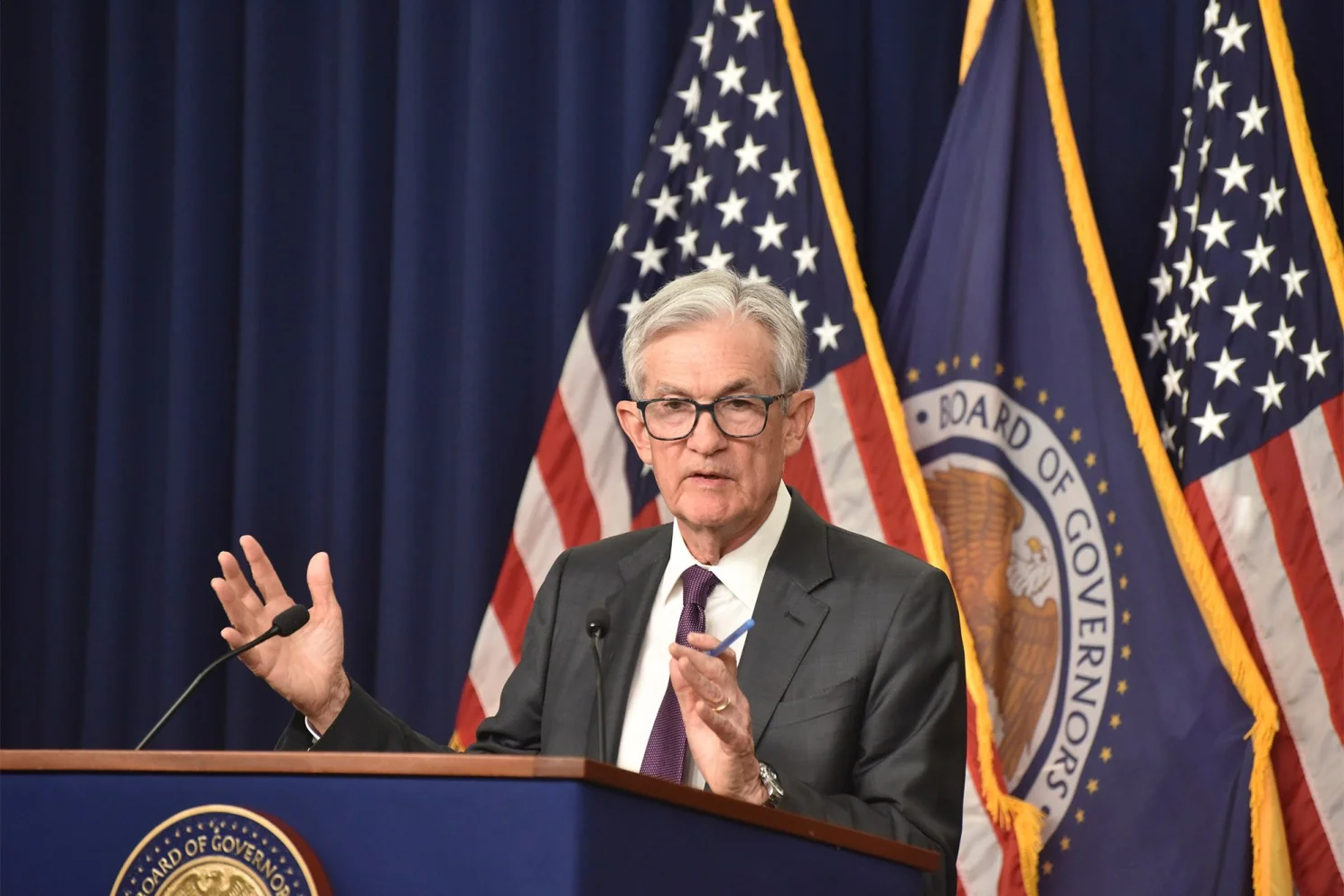
President Trump’s rapport with Jerome Powell, the Federal Reserve Chair, has been tumultuous, especially as economic policies and market reactions fluctuate under his administration. Trump's attempts to influence monetary policy, particularly through aggressive interest rate cuts, have sparked concerns over the Fed's independence and the broader implications for the economy. The tension between the Presidency and the Fed raises questions not only about monetary policy but also the essential balance of power necessary for sound governance.
Trump and Powell: A Complicated Relationship
Trump, who nominated Powell in 2017, has expressed frustration over what he sees as Powell's reluctance to adopt a more accommodative monetary policy. This frustration is indicative of a larger struggle between the executive branch and independent agencies. The president’s hopes to spur growth through rate cuts may conflict with Powell’s more cautious approach, which is rooted in a long-term economic perspective. As Trump's comments hint at a potential ousting of Powell, markets are left unsettled, fearing that political motivations may outweigh economic prudence. Analysts caution that such a move could severely undermine the Fed's credibility and independence, which are essential for maintaining investor confidence. The question remains: What will this mean for the fundamental principles that govern the Fed's operations?
Legal Framework for Removing the Fed Chair
The Federal Reserve Act of 1913 stipulates that governors can be removed for cause, but it remains ambiguous regarding the chair's position. Legal scholars differ on whether recent amendments imply that the chair is afforded the same protections as other governors. This ambiguity opens the door for legal challenges should Trump pursue the removal of Powell. Without clear guidelines, Trump's administration could find itself navigating a precarious legal landscape, which may set dangerous precedents for executive authority over independent entities.
At the heart of the matter is whether the Supreme Court would uphold a president's authority to remove heads of independent agencies like the Fed. The precedent set by the 1935 case, Humphrey’s Executor, has traditionally supported the “for cause” protection. However, recent court decisions hint at a potential shift in how such protections are interpreted. As we have seen previously, the extension of executive power may not always uphold the long-standing norms designed to maintain independent regulatory bodies. This uncertainty could have enduring repercussions for both the Fed and other independent agencies in the future.
Market Impact of Potential Removal
The prospect of Powell's removal has already rattled Wall Street. The fear stems from expectations that any change in leadership could lead the Fed towards a looser monetary policy aimed at short-term growth, which markets view as inflationary. If markets perceive that the Fed’s credibility as an inflation fighter is compromised, long-term interest rates could rise dramatically. Higher rates could stifle economic growth, which would be counterproductive to the very goals Trump is trying to achieve.
This scenario might create a paradox where the Fed's inclination to adopt a more favorable monetary policy under new leadership could lead to heightened inflation risks. You’ll often hear that a swift change at the top could inadvertently undermine the central bank's long-term goals. Therefore, any impulsive action to provide Trump with more control over the Fed's policy risks more than just market upheaval; it threatens the foundation of economic stability itself. This is more significant than it looks.
The Role of the Fed Chair in Policy Decisions
There’s a common misconception about the extent of the Fed Chair's power in shaping policy. While the chair holds a prominent position, the dynamics within the Federal Open Market Committee (FOMC) require the chair to build consensus. Historical comparisons, such as with Alan Greenspan, who had significant influence during his chairmanship, indicate that later chairs like Ben Bernanke, Janet Yellen, and currently Powell have had to engage collaboratively to establish monetary policy. This collaborative necessity serves as a check against unilateral decision-making that could destabilize the economy.
Future Implications for Succession
Should Trump choose to remove Powell before the conclusion of his term, it’s likely that the successor’s qualifications would not mitigate market fears. Instead, the market might interpret the removal itself as a signal of a fundamental shift towards a less disciplined monetary approach. If you're working in this space, you can see how this moment transcends typical personnel changes in Washington; it touches on the trust investors have in the Fed to act independently.
Conversely, if Powell serves out his term, the choice of his successor will undoubtedly become a focal point, potentially swaying market reactions based on the anticipated direction of monetary policy under new leadership. The situation creates a ‘will-they-won’t-they’ environment that keeps investors on edge, reinforcing the notion that the stakes extend beyond mere appointments. In essence, the market’s concern isn’t just about who leads the Fed but how that leadership aligns with long-standing principles of central bank independence. The impending decisions made by the administration could have ripple effects through the financial system, affecting everything from Treasury rates to investor confidence in the Fed’s mandate to manage inflation.
Implications for Economic Policy
The implications of Trump's struggle with Powell go beyond personal dynamics. The future of U.S. monetary policy may hang in the balance, and all eyes are on the administration's next steps. Trump’s approach could signal a departure from established norms, raising eyebrows among financial experts who understand the importance of a nonpartisan Fed. If this trend continues, it may prompt broader calls for reforms aimed at protecting central bank independence, a move that could define the economic landscape for years to come.



Discussion
Sign in to join the discussion.