Economists express grave concerns over the U.S. economy's trajectory, highlighting trade wars, stock market volatility, and rising risk perceptions.
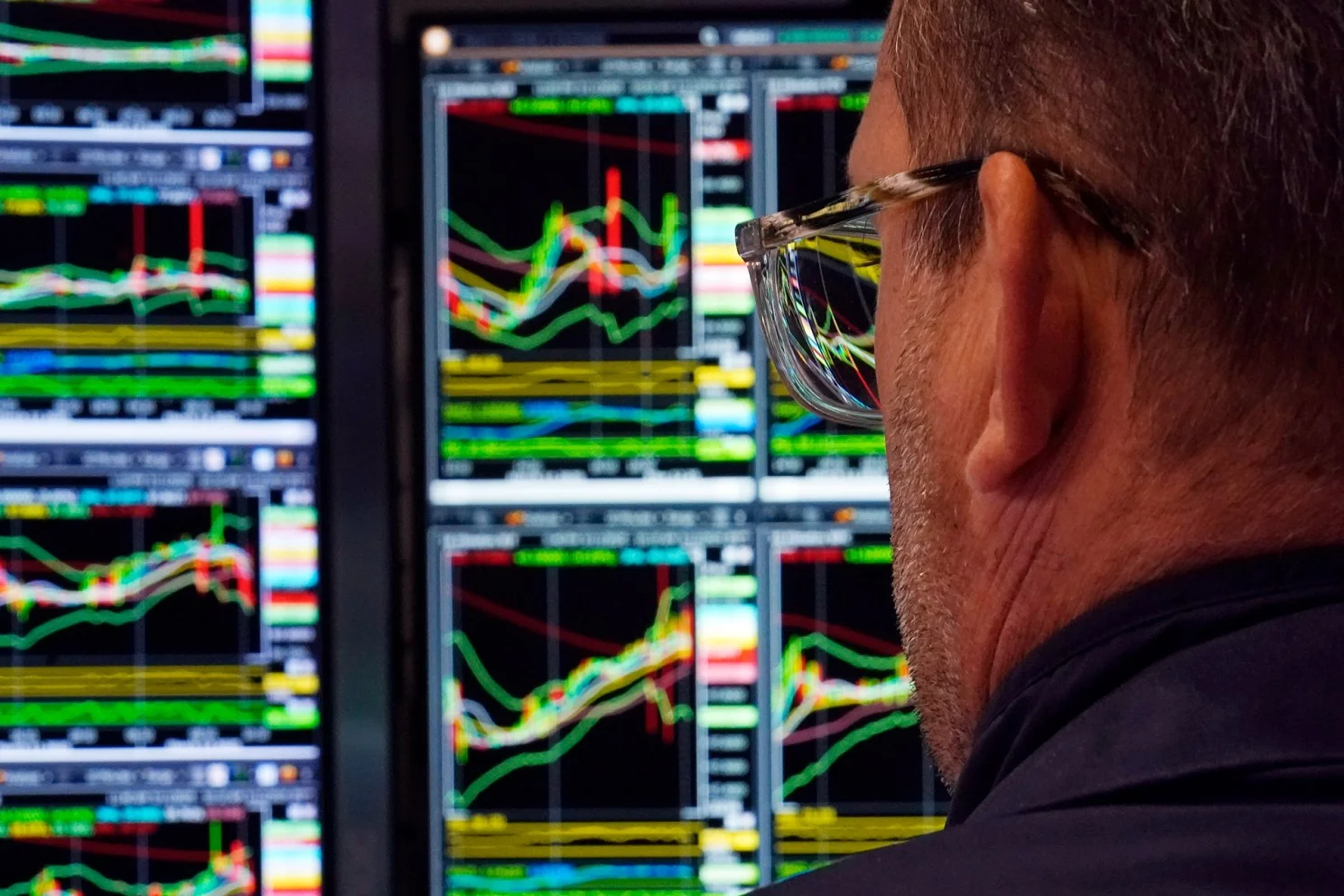
The current state of the U.S. economy has become a focal point of discussion among economists, with growing fears of an impending recession. A recent downturn in the stock market, worsened by retaliatory tariffs from China, Mexico, and Canada, highlights the fragility of investor sentiment. The unrest stems from President Trump’s aggressive tariff strategies aimed at confronting international competition, which many financial analysts view as counterproductive. This isn’t just short-term noise; it’s a potential precursor to broader economic fallout.
According to the University of Michigan’s consumer sentiment index, public confidence in the economy has plunged to its lowest levels since November 2022. Amid rising fears, the Federal Reserve faces a timely decision on whether to resume interest rate cuts, an action that could signal a response to these pessimistic indicators. Such decisions carry weight; they can affect everything from job creation to mortgage rates, impacting millions of Americans directly.
The Role of Tariffs in Economic Policy
Discussions surrounding tariffs suggest that while they may be justified in some scenarios—such as providing revenue for developing nations or protecting nascent industries—the consensus among economists remains largely negative. Jeffrey Frankel, a prominent economist at Harvard Kennedy School, argues there are few valid reasons for the U.S. to employ tariffs in its current economic context. The irony is palpable: the very tools intended to protect American workers may instead be undermining economic stability.
Frankel points out that, contrary to the claims made by Treasury Secretary Scott Bessent, the notion of a "healthy correction" in the market doesn't hold water. The theory that tariffs will ultimately enhance U.S. competitiveness fails to acknowledge the current policy chaos, which paradoxically erodes investor confidence. Investors typically prefer predictability, and right now, they don't have it. Investing in a protective environment seems to provoke more harm than good, raising the specter of stagnant growth instead of the anticipated benefits. This line of reasoning prompts an uncomfortable question: who truly benefits from these tariffs?
Risks of Recession Under Current Conditions
As economic contractions loom, Frankel warns that a recession could arise within the next year, a scenario more likely now than it was a year ago. He identifies five critical factors that could aggravate this risk:
- A prolonging trade war.
- A stock market crash.
- Reductions in government spending, if proposed cuts are enacted.
- A potential fiscal crisis stemming from government shutdowns or credit downgrades.
- An overall increase in market players’ perception of risk.
The unpredictability of government actions, particularly regarding tariffs and fiscal policies, increases market volatility. This pervasive uncertainty is already prompting significant sectors, including real estate and healthcare, to adopt a "wait and see" approach. Such hesitance doesn't just affect investor behavior; it can also hinder hiring and expansion plans, leading to a slow bleed of economic momentum. Imagine the ripple effects—fewer hires lead to lower consumer spending, further deepening the cycle. What might that look like? Less confidence all around.
The Implications of Economic Uncertainty
Should current uncertainties persist, even for a brief period, the potential ramifications could be quite damaging. If a hiring freeze were to take effect for an extended duration, it could trigger a recession. The waiting strategy adopted by businesses indicates a palpable concern that may restrain growth, employment, and income across the board. It's a precarious situation: the more companies hesitate, the more likely they are to cut back on investments and jobs, which only escalates the economic malaise.
Tightrope Walk for the Federal Reserve
The Federal Reserve's dilemma regarding interest rates embodies a classic economic tradeoff. Cutting rates might stimulate job growth amid rising concerns of recession, but maintaining rates could help stave off inflation. With international trade tensions and erratic government policies touted as adverse supply shocks, Frankel points out that these factors complicate the Fed's decision-making process.
As it stands, the Fed is navigating a dual challenge: rising inflation coupled with potential economic slowdown. The stakes are high, and the implications of a misstep could be severe. Given this context, it’s likely that the Federal Reserve will choose to keep interest rates steady, a move that underscores the complexities of the current economic environment. This decision reflects a cautious approach; however, it may stall necessary economic momentum.
Future Outlook: Navigating Economic Waters
As analysts assess the evolving economic conditions, the stakes grow higher for both policymakers and the public. If you're working in this space, you might find it helpful to consider how upcoming data releases and government actions could shift perceptions overnight. With risk perceptions rising and market dynamics shifting, stakeholders will need to keep a close watch on economic indicators in the coming months. The challenge lies not just in data interpretation but in effective communication to citizens about what it all means.
What this means for you is that preparation is key. Individuals and businesses should brace themselves for potential instability. The road ahead won’t be straightforward, and understanding the nuances of these developments can make a significant difference in strategy. The conversation surrounding tariffs, economic growth, and monetary policy is only just beginning. Keep an eye on it. (And this is the part most people overlook.)


Discussion
Sign in to join the discussion.