Harvard University will award honorary degrees to five notable individuals celebrating their remarkable contributions across various fields.
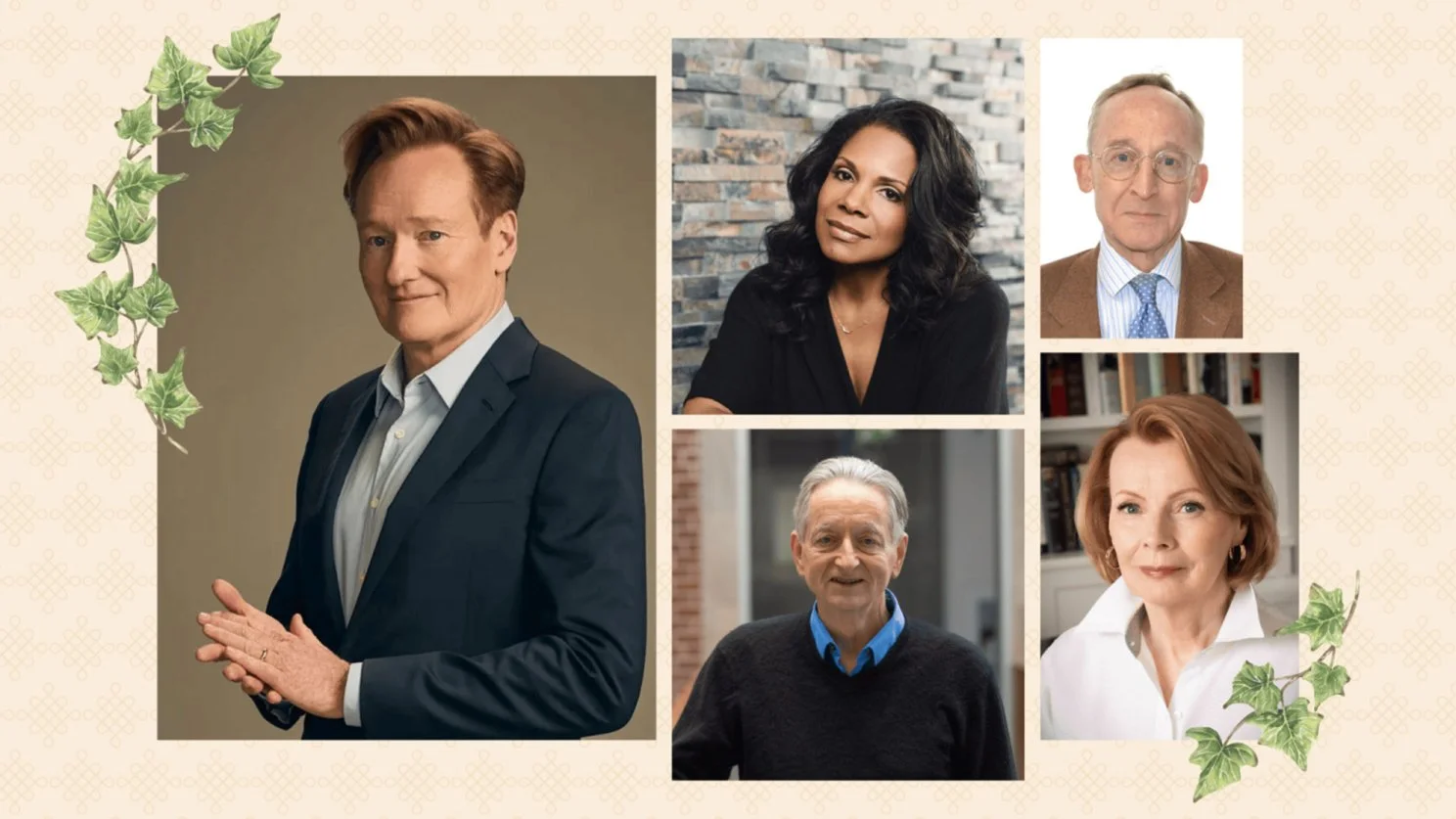
The upcoming Commencement ceremony at Harvard University is set to celebrate the achievements of five distinguished individuals with honorary degrees. These honorees are recognized not just for their personal accomplishments, but for their significant contributions to their respective fields, shaping the fabric of society in profound ways.
Geoffrey Hinton
Doctor of Science
Geoffrey Hinton, often referred to as the Godfather of AI, is notable for his pioneering contributions to artificial intelligence and deep learning. With a PhD in AI obtained before personal computers became ubiquitous, Hinton's career spans decades of innovation in neural networks. His work has underpinned many of the advancements in AI we see today—from voice recognition systems to autonomous vehicles. However, alongside these advancements comes a pressing concern: the potential misuse of AI technologies. Hinton has raised the alarm on the moral implications of unchecked AI development, emphasizing the responsibilities that come with such power.
After serving as a vice president at Google, Hinton resigned to spotlight his concerns about AI risks and advocate for more stringent research into AI safety. His calls aren't just academic; they reflect a growing anxiety within the tech community about the societal repercussions of rapid AI proliferation. As discussions about AI governance escalate, Hinton's perspective serves as a crucial anchor in the debate, pushing for a more ethical framework in AI development.
Noel Malcolm
Doctor of Laws
Sir Noel Malcolm has made significant contributions to journalism and historical scholarship, particularly concerning the Balkans. Renowned for his political insights, Malcolm’s influential work during the Kosovo conflict offered historical clarity amidst the chaos of propaganda. His writing serves not only as a record of events but as a commentary on how narratives are shaped through power dynamics. By critically analyzing nationalism, he challenges prevailing historical narratives and calls into question the motives behind such retellings.
A fellow of the British Academy and a recipient of numerous honors, Malcolm has also held academic positions at prestigious institutions such as Cambridge and Oxford. His work underscores the importance of truth in historical discourse, serving as a reminder of the responsibilities journalists and scholars have to foster discourse grounded in facts, especially in politically charged environments. The work of scholars like Malcolm is imperative as we confront disinformation in an age where narratives can be easily manipulated. (And this is the part most people overlook.) Without such voices, public understanding could risk becoming increasingly distorted.
Audra McDonald
Doctor of Arts
The multi-talented Audra McDonald has garnered widespread recognition as one of Broadway's most celebrated performers. Her six Tony Awards and a history of impactful roles illustrate her remarkable talent and versatility. McDonald’s performances span acclaimed productions such as “Carousel” and “Ragtime,” and she has also received an Emmy and a Grammy. What sets her apart is more than just her accolades—it's her ability to infuse social commentary into her art. Through her performances, she often addresses themes of identity, community, and resilience.
Beyond her artistic achievements, McDonald is a fervent advocate for social justice. Her involvement with organizations tackling issues like human trafficking and LGBTQIA+ rights reflects a commitment that transcends her stage roles. She encourages others to engage in activism, leading by example. If you’re working in this space, McDonald’s integration of art and advocacy offers a blueprint for how cultural leaders can effect change. The arts have the power to inspire social movements, and McDonald is a shining example of this truth.
Peggy Noonan
Doctor of Laws
Peggy Noonan, a Pulitzer Prize-winning columnist and author, has been a formidable voice in American political commentary for decades. Her work in The Wall Street Journal has spanned 26 years, focusing on the intricacies of American culture and governance. Noonan has written pivotal speeches for iconic political figures, including Ronald Reagan, showcasing her unique ability to capture the nuances of American dialogue. Her insights often illuminate the challenges faced by democracy, reminding us that political discourse should be rooted in respect and understanding.
Recognized as a Literary Lion by the New York Public Library, her contributions don't just resonate through her writing; they cultivate an atmosphere where critical dialogue can thrive. Noonan's advocacy for respectful discourse in politics serves as a counterpoint to the often toxic environment present in today’s media landscape. Her perspective is refreshing and needed, especially as division seems to deepen. In an era where civility can feel like an afterthought, her call for reasoned conversation is more significant than it looks.
Conan O’Brien
Doctor of Arts
Iconic comedian Conan O’Brien is celebrated for his influential role in late-night television, where he carved out a niche that transcends traditional comedy. Known for his work on “Late Night” and “Conan,” his unique style blends humor with reflection on contemporary issues, so much that his sketches often contain layers of commentary on society, politics, and culture. O’Brien has changed the late-night format, introducing a combination of satire and intellect that appeals to a wide audience.
Returning to Harvard, where his journey in comedy began, O’Brien's contributions extend beyond television roles. He actively mentors aspiring comedians, encouraging them to pursue authenticity and maintain resilience in their careers. His signature blend of wit and wisdom continues to inspire alumni and graduates alike. In a fast-paced media environment where genuine expression can be lost, O’Brien stands as a beacon for those navigating the complexities of their creative paths.
Significance of the Honorees
These five honorees embody the spirit of excellence and commitment that Harvard recognizes. Each of them has forged a distinct path, making a lasting impact in their fields and beyond. As they receive their honorary degrees, their legacies serve as inspiration for future generations. Their stories remind us that influence can manifest in numerous forms—whether through innovation, journalism, art, or political commentary. The Commencement ceremony is more than a celebration; it’s a clarion call for integrity, activism, and creativity in a world that desperately needs all three.

Discussion
Sign in to join the discussion.