Harvard commemorates its 375th Commencement by honoring the legacy of bells, including the late Cynthia W. Rossano, who established this cherished tradition.
Remembering Cynthia W. Rossano
Cynthia W. Rossano, a pivotal figure in the creation of Harvard's Commencement bell tradition, passed away on March 21, 2026. Her contributions formally initiated a tradition that, for nearly four decades, has signified the university's milestone celebrations.
Harvard's 375th Commencement
As Harvard approaches its 375th Commencement, institutions throughout Cambridge will join in a ceremonial ringing of bells, a gesture that recognizes the university’s rich history and community ties. This milestone isn’t just a look back at the past; it’s a collective acknowledgment of how education intertwines with local culture. The significance of this tradition reflects on the shared experiences of thousands of students, faculty, and alumni, each resonating with the echoes of past events and milestones.
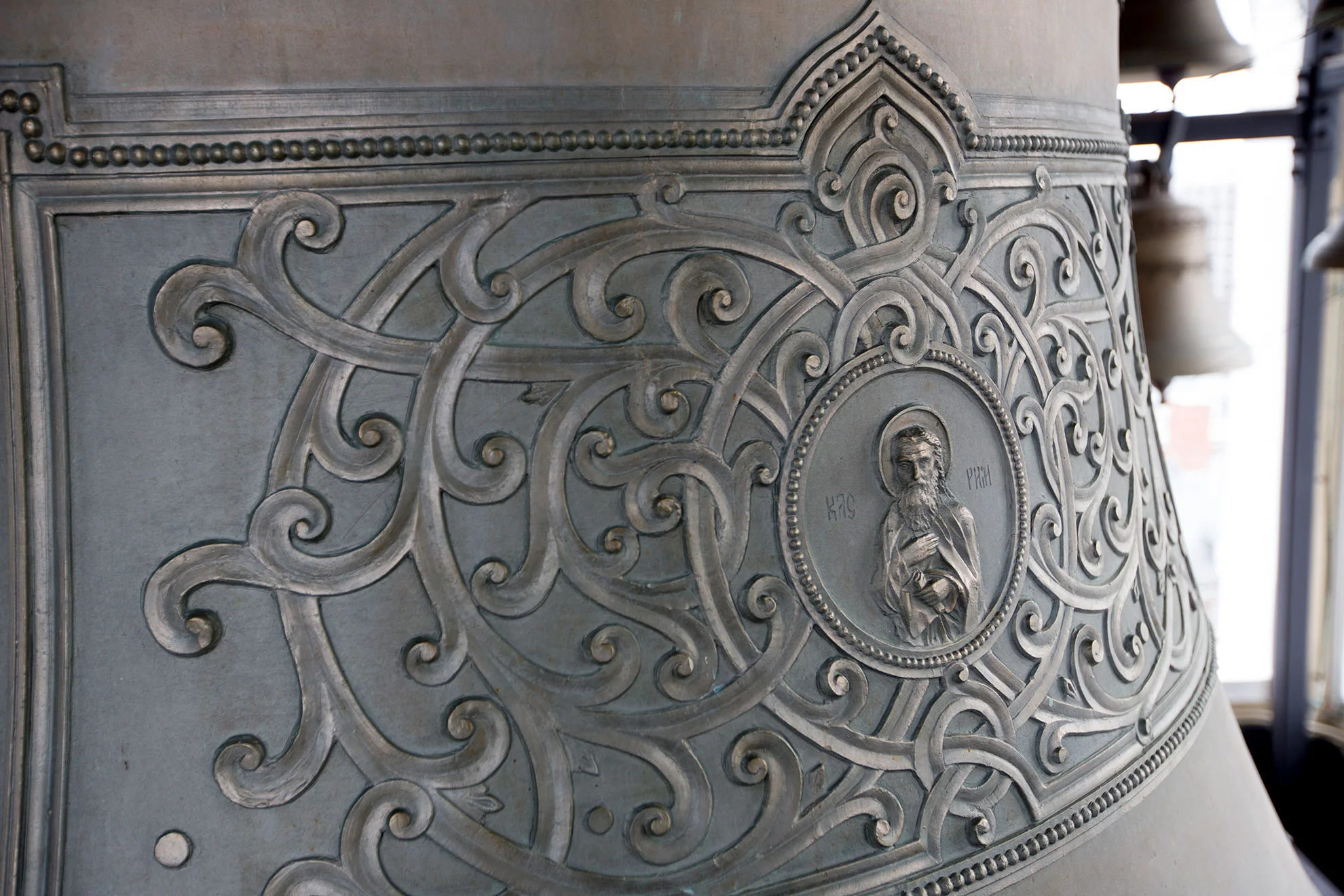
The Mother Earth bell at Lowell House.
Harvard file photo
Ringing in Tradition
The bells will begin ringing at 12:15 p.m. on Commencement Day, shortly after the Middlesex County sheriff declares the ceremonies for the day to be complete. This ringing marks the start of festivities that will last approximately 15 minutes, echoing through the heart of the campus. Such rituals set the stage for new achievements and memories, creating a backdrop against which students embark on their futures.
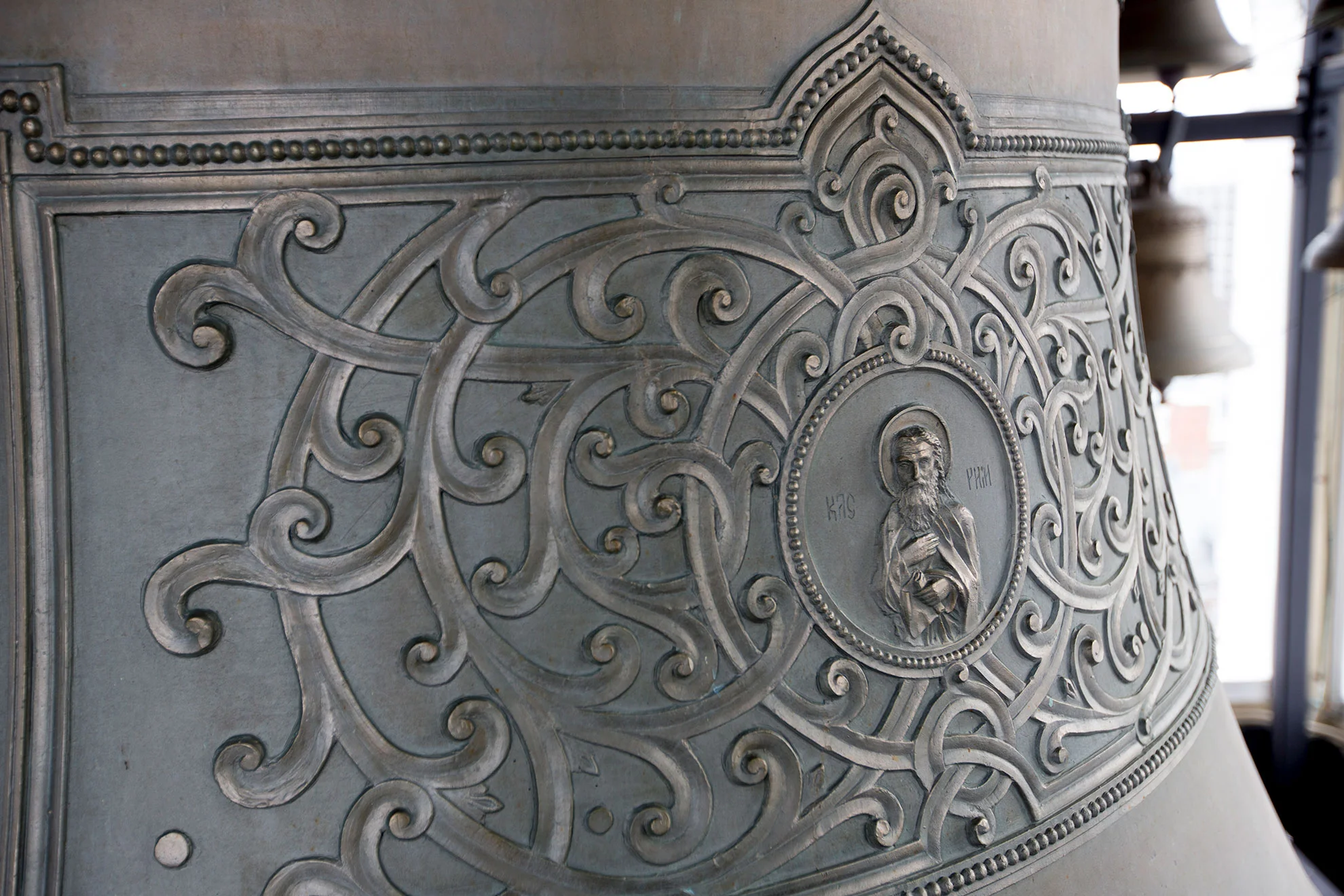
Throughout its history, bells have played an indispensable role at Harvard, having been used as instruments to call students to wakefulness, prayer, and study. Once a solitary beacon, the deep-toned Memorial Church bell has heralded Commencement celebrations alone; however, this year it will signal the commencement of festivities alongside a vibrant set of bells—a replacement for the original 17-bell Russian zvon from Lowell House that was returned to the Danilov Monastery in Moscow back in 2008. The inclusion of bells from the Harvard Business School will allow their resonance to ripple across the Charles River, further embedding this celebration within the larger community. Christ Church Cambridge’s famed Harvard Chime and the bells from several local churches joining in amplify the sense of connection and unity among different facets of the community.
A Historical Perspective
The tradition of ringing bells at Harvard isn't new; bells were already a staple as early as 1643. Back then, guidelines dictated attendance based on the sound of the bell. This early integration of bell ringing into student life helped instill a sense of discipline and communal responsibility that echoes through today’s educational environment. Imagine how a simple chime could inspire generations, shaping not only student routines but also their attendance to significant academic events.
Among the churches participating in this celebration, First Parish Church holds a special significance. Its history is tightly woven with that of Harvard; the College once utilized its bell, and its meeting house was the venue for Harvard's first Commencement. The proximity of this church played a pivotal role in choosing Cambridge as the college's site, an influence greatly attributed to Rev. Thomas Shepard, a respected minister at the time. This connection between institutions highlights the ripple effect of shared values and purposes across the community.
Christ Church, the area’s oldest church, will similarly participate in the celebratory ringing. This historic site is home to the Harvard Chime, installed for its centennial in 1861. The chime, consisting of thirteen bells, first rang out on Easter Sunday in 1860, with each bell inscribed with phrases from the “Gloria in Excelsis” in Latin. The emphasis on Latin reflects not only Harvard’s academic lineage but also its aim to foster a connection to its past.
The Community and The Bells
The bells were intended to unify the community. As noted by historian Samuel Batchelder in 1893, they rang not solely on Sundays but also during monumental occasions linked to the university—a practice that continues unabated. While most people don’t think about it, the sound of bells marks pivotal moments, welcoming joys and commemorating losses throughout the university and wider community.
The newly cast bells that replaced Lowell House’s century-old Russian bells add a fresh dimension to this year’s celebrations. They offer an array of sounds that enrich the auditory landscape during this historic occasion. A thoughtful observer once remarked on the captivating nature of bells—their ability to invoke varying moods, whether for reflection or jubilation. They profoundly symbolize transitions, marking endings and beginnings in life. If you're working in this space, you understand the impact of auditory cues in shaping collective experiences.
The Significance of Sound
The echoes from these bells will not only celebrate 375 years of Harvard's history but also pay tribute to the life of Cynthia Rossano. Her efforts in establishing the ringing tradition have carved a niche in the legacy students and alumni now cherish. It's a reminder that traditions don’t build themselves; they require visionaries who see their potential to strengthen community identity and continuity. This layering of sounds doesn't just create noise; it stitches together the past, present, and future of Harvard—a blend of nostalgia with the promise of new memories yet to come.
Future Outlook
As we look forward, the role of traditional practices like bell ringing will likely be influenced by modern innovations. While technology continues to transform how events are celebrated, there's something undeniably powerful about the simplicity of a bell—a communal signal that all can appreciate. Future celebrations will need to balance technological advancements with the cherished aspects of the past. Hopefully, the spirit of collaboration and connection that Cynthia Rossano so passionately championed will continue to resonate within Harvard and its community, ensuring the bells maintain their essential role in commemorating milestones long into the future.



Discussion
Sign in to join the discussion.