At Harvard’s Phi Beta Kappa ceremony, speakers emphasized the importance of character and responsibility alongside academic achievement for graduates.
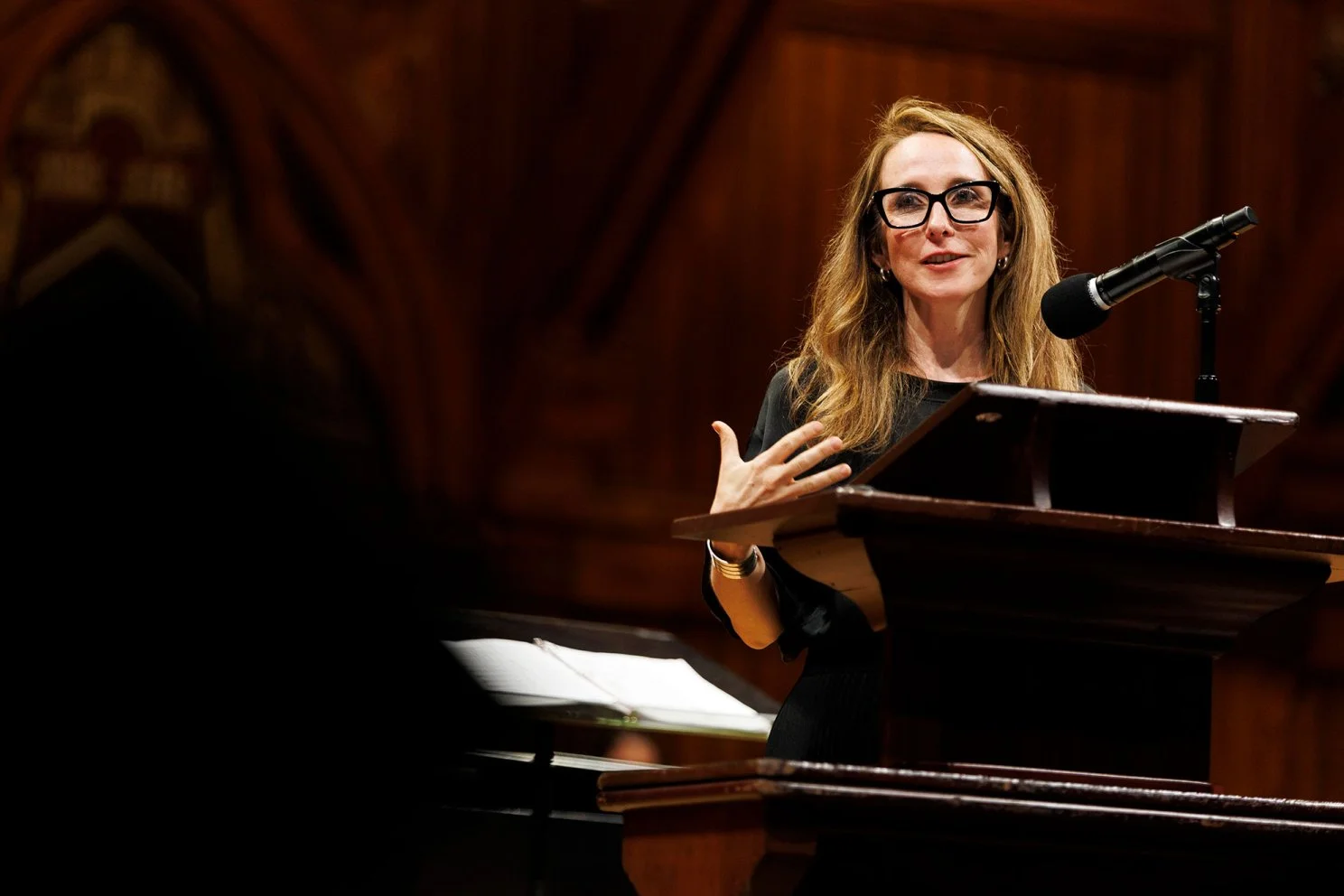
Harvard’s Sanders Theatre was alive with poetry, music, and inspiring speeches during the ceremonial induction of new members into the Phi Beta Kappa Society, marking a pivotal moment in Commencement week.
This year’s literary exercises welcomed the brightest academic achievers, recognizing the top-performing juniors and seniors among the 234th gathering of the elite honor society founded in 1776. With the solemnity of tradition, speakers underscored that intellect and ambition alone won't suffice for meaningful citizenship or personal fulfillment. Many would agree that this ethos, while longstanding, is particularly relevant now, with recent global crises demanding more from educational institutions and their graduates.
Character Matters
The invocation by the Rev. Matthew Ichihashi Potts set the tone, emphasizing the necessity of intellectual bravery. Reflecting on Ralph Waldo Emerson’s insights from his 1837 address, Potts articulated that the true scholar confronts dangers, challenging themselves to understand and navigate them. This idea of intellectual bravery isn't just about academic rigor; it’s about engaging with the complexities of life courageously, a vital skill as today's graduates prepare to face a multifaceted world.
In her address, poet Meghan O’Rourke, a Yale PBK alum and current faculty member, conveyed that while achievements bring pride, the journey of self-exploration and responsibility is the true test ahead. “What are you willing to ask of yourself?” she prompted, drawing inspiration from the thought-provoking works of James Baldwin, who illustrated through his experiences that knowledge often accompanies uncertainty. This connection is critical; Baldwin’s work invites introspection, a prompt for graduates to grapple with their influence and utilize their education for societal betterment.
O’Rourke’s recitation of three poems resonated deeply, particularly her poignant reflection “Did You Use Your Time?” born from the aftermath of tragic events. It urged graduates to consider their impact and emotional legacy—an often-overlooked aspect amidst academic success. The questions she posed went beyond mere reflection on individual achievements, delving into the realms of love, existence, and caring for the world. It’s a call to action. Graduates are urged to ponder their roles as stewards of knowledge and bearers of change.
Ambition vs. True Wisdom
Larry Bacow, President Emeritus, addressed the graduates next, emphasizing their extraordinary ambitions, which have led them to one of the world’s most prestigious institutions. While he lauded ambition as a driving force, he cautioned against an insatiable desire that only seeks to elevate oneself without contributing back to society. This perspective is critical; it's easy to focus solely on personal accomplishments in competitive academic settings, but the broader implications of one's ambitions can be profound.
Bacow reflected on the complexities of today's global climate, where once-shared values of truth and dignity seem increasingly fragile. He referenced the wisdom of Simeon ben Zoma, a sage from the Talmud, who defined wisdom as learning from all walks of life and true wealth as finding joy in one's own circumstances. This notion challenges the prevalent narrative of success, suggesting it's not merely what you achieve but how you connect with others and find satisfaction in everyday life. The essence of power, as ben Zoma noted, is self-control—an essential trait for the graduates, particularly in a rapidly changing world marked by social and technological disruptions.
With the class of 2026 graduating during times marked by conflict and the rise of artificial intelligence, Bacow emphasized that the true character of these individuals would ultimately define their legacy. “Your Phi Beta Kappa membership reflects your intellect, but your forthcoming actions will reveal your character. The world needs you to be good, not just clever,” he asserted. It’s a stark reminder that intellect alone fails to address moral and ethical dilemmas that increasingly surround us. If you're working in this space, you know this tension well, and it’s a lesson that resonates beyond the walls of academia.
Forward-Thinking Responsibility
The juxtaposition of intellectual prowess and moral responsibility was a central theme of the day. Graduates were encouraged to recognize the weight of their platform, imbued with knowledge and skills that can influence society at large. Bacow’s insistence on self-control as a public duty serves as a call to action for these young leaders to channel their capabilities not only for personal gain but for the betterment of all. This highlights a progressive shift in education, which increasingly emphasizes ethical leadership in tandem with intellectual development.
This gathering wasn't just a ceremony; it was a reminder that with great talent comes a greater obligation to make ethical decisions. As Harvard's best prepare to step into the world, they must confront the question of how they will wield their influence and intellect. The challenge isn’t merely becoming successful; nurturing their character alongside their achievements is crucial. Each decision made, each opportunity seized, will shape not only their futures but the broader ramifications in society.
Implications and Future Outlook
The dialogues from this ceremony reverberate far beyond the confines of Harvard. As the world grapples with urgent issues—ranging from climate change to social inequality—graduates are not just entering a job market; they're stepping into roles as modern leaders. The responsibility laid upon them isn’t just to excel in their fields, but to act with integrity and insight in a world that's often unpredictable. The implications are significant. The question remains: Will those who are privileged with education also use that privilege to champion causes that matter? That’s a legacy worth striving for.


Discussion
Sign in to join the discussion.