In his Baccalaureate address, Harvard President Alan Garber highlights the enduring significance of effort in a technology-driven world for the Class of 2026.
Timeless Values in a Changing World
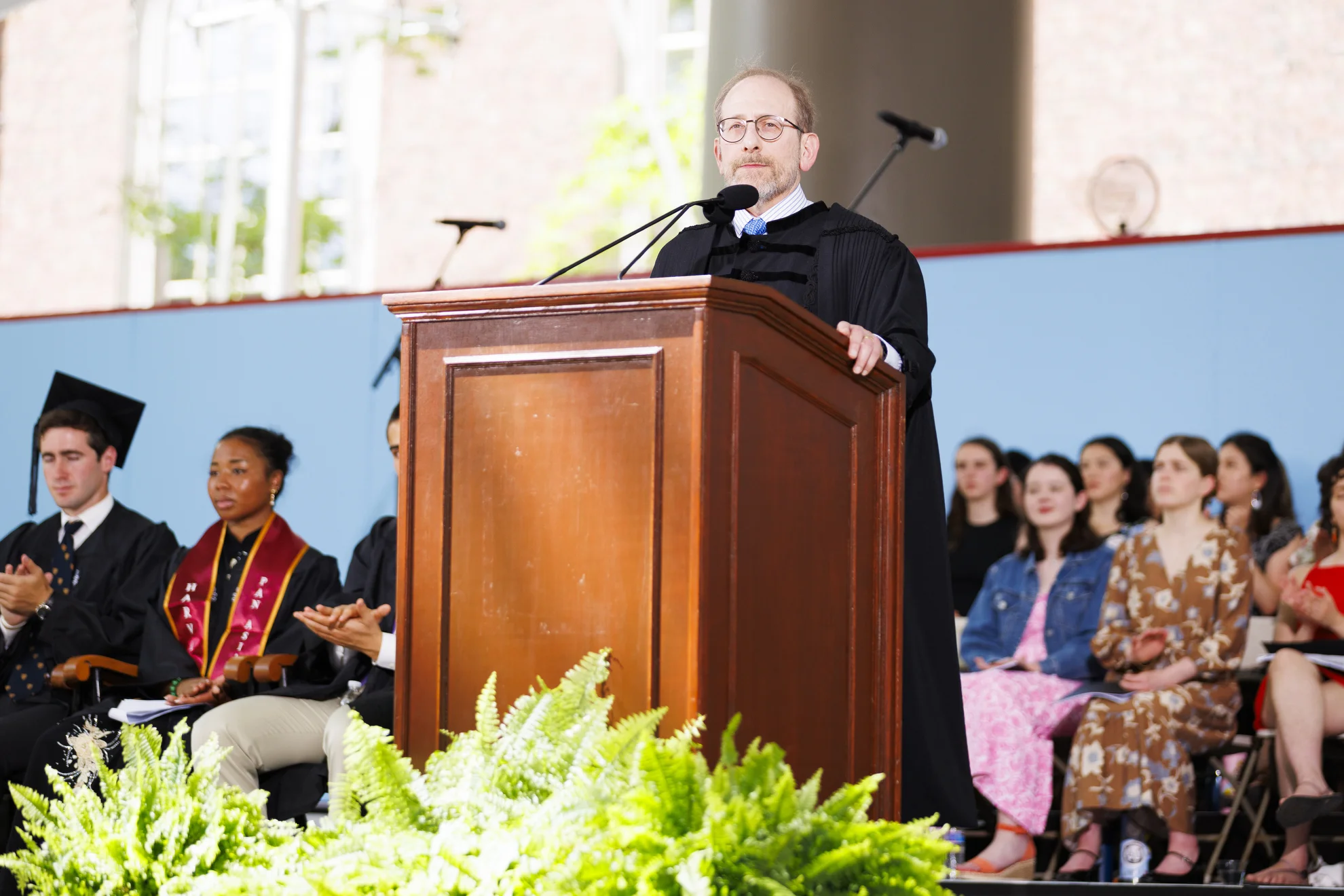
In a thought-provoking Baccalaureate address, Harvard President Alan Garber addressed the Class of 2026, emphasizing the timeless value of hard work, even in an era dominated by artificial intelligence. What struck me was Garber's insistence that even as AI reshapes industries and personal lives, the principles of diligence and effort remain relevant. For graduates on the cusp of their futures, this message serves as both a warning and an encouragement, imploring them to critically assess how they coexist with AI and the implications it brings to their lives.
Reflections from the Past
Garber, reflecting on his own academic journey 50 years ago, pointed out that technological advancements have always sparked anxiety about the future of human labor. This isn't a new narrative. From the dawn of the industrial age to the digital revolution, societies have grappled with the fears of obsolescence. When ChatGPT launched in late 2022, it wasn’t just about understanding AI's capabilities; this moment also marked a seismic shift in how we perceive effort in personal and academic growth.
Consider the broader historical context: every wave of technological innovation has been met with skepticism. Garber referenced a 1903 article from the Pittsburgh Gazette that voiced concerns about the ease technology offers. It’s a sentiment that echoes profoundly today amidst the rapid rise of machine learning and AI. Riding technological coattails can certainly afford a breathtaking view, but like passengers in tethered balloons, there’s a risk of losing out on the deeper, enriching experiences that come from struggle and determination.
The Dilemma of Advancement
"There are places we can only reach by balloon, landscapes too complex for even the most determined human endeavor,” Garber explained. This metaphor captures the allure and danger of modern advancements. The ease technology provides can engender both convenience and complacency. But the underlying message is clear: just because something is easier doesn’t mean it’s better. Choosing which proverbial mountains we want to climb, in Garber’s view, shapes the very essence of our existence.
“You alone will have to determine what it is that you want to know, which knowledge you are not willing to relinquish for the promise of push-button omniscience,” Garber stated. “Effort still matters.”
Alan Garber
This perspective raises critical questions for anyone working in technology, education, or creative fields. What this means for you—whatever your role—could be more significant than it looks. Determining how much effort you're willing to invest in personal growth versus accepting the ease that technology provides is a delicate balancing act. It requires introspection and a clear understanding of the value of education and human experience beyond mere convenience.
A Moment Steeped in Tradition
The ceremony, held beneath the canopy of Tercentenary Theatre’s trees, was steeped in tradition, harking back to the university's first Commencement in 1642. Such a diverse range of voices and spiritual perspectives was represented, inviting leaders from Hindu, Buddhist, Muslim, Sikh, Jewish, Christian, and Salish faiths to share wisdom and blessings with the graduates. This mosaic of thought underscores the broad perspectives that contribute to Harvard's rich academic culture.
Rev. Matthew Ichihashi Potts emphasized the significance of community and connection among the graduates. “If you are here today, it is because you are descended from generations of people who survived hardships just so you could be present,” he told the graduates, framing their achievements within a narrative of ancestral hopes. The history of overcoming struggles adds layers of importance to their success and underscores the collective responsibility graduates carry as they step into the world.
Rabbi Jason Rubenstein echoed this sentiment. He recounted the pride and hope reflected in his family's journey as a Polish immigrant, reminding graduates that they also carry a legacy. It’s not merely about personal achievement but also about how they might inspire future generations. They stand as symbols of hope in a world that often seems to crave connection amidst turmoil.
Finding Fulfillment in Connection
Rev. Monica Sanford added a poignant reflection on interconnectedness. She asserted that true fulfillment comes from striving to uplift others. “In their happiness, we find our own,” she said, linking individual liberation to collective well-being. If you’re working in this space, consider the implications of this philosophy for leadership and collaboration. In a world where technology can often isolate, fostering human connections might be the most crucial endeavor.
Charting Unique Paths
Garber concluded his address with a call to action: to embrace life's uncertainties with open eyes, adaptability, and a determination to carve out unique paths. His powerful final words resonated deeply with the class: “May the future be as kind to you as all of you are to each other.” This statement, while seemingly simple, encapsulates the essence of community and the importance of supporting one another in the uncertain journey ahead.
Implications for the Future
The messages delivered at the Baccalaureate Service underscore a profound understanding of the balance needed in navigating the complexities of human experience, particularly as new technologies unfold. Are we, as a society, equipped to engage with these advancements meaningfully? Rather than shying away, the Class of 2026 is encouraged to embrace these changes, selecting the journeys deserving of their effort and dedication.
As AI continues to advance, these graduates will be tasked with demands that were once unfathomable. The implications are vast: they need to decide how to engage with technology, harness its potential, and not lose sight of the value of perseverance and connection. And here’s the thing: if their experiences become less defined by struggle, will they still grasp the rich rewards that effort can yield? The answer may very well shape the future of work, education, and community in the years to come.


Discussion
Sign in to join the discussion.