David Battat ’91 steps into the role of HAA president, leveraging his extensive volunteer experience to enhance alumni engagement.
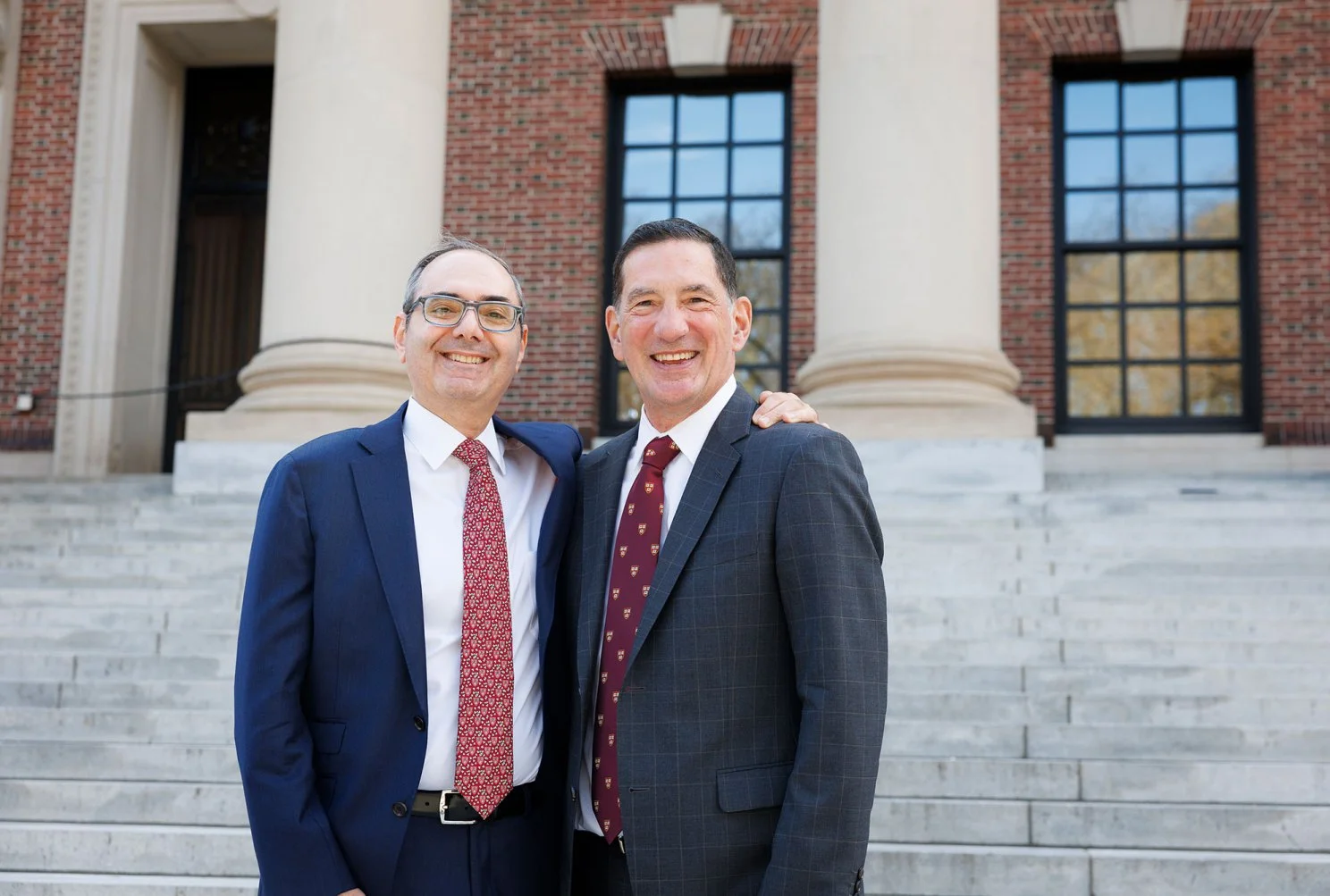
Leadership Transition at the Harvard Alumni Association
David Battat ’91, a recognized advocate for community engagement, is set to assume the presidency of the Harvard Alumni Association (HAA) on July 1. His career reflects a consistent dedication to service, encompassing roles as a healthcare CEO, leadership instructor, and volunteer. This transition marks a pivotal moment for the HAA, an organization that plays an essential role in connecting Harvard's vast alumni network. With Battat at the helm, there’s anticipation about how his leadership style will influence the association's direction.
A Commitment to Inclusivity
Outgoing HAA President Will Makris, Ed.M. ’00, praised Battat's ability to foster inclusive dialogues. “He listens carefully, asks questions, and brings a diverse array of voices into conversations,” Makris remarked. This ability isn't just a personal skill; it’s an essential trait for any leader in today's polarized environment. Battat's extensive history with Harvard, underscored by years of volunteerism, positions him well to engage alumni effectively. He’s got a track record of encouraging different perspectives, which is crucial for an association that thrives on the diversity of thought among its members.
A Diverse Background
Reflecting on his undergraduate experience, Battat described it as “an extraordinary period of discovery.” He credits the encouragement from professors and peers for guiding him through Harvard’s wide array of opportunities. The influence of his time at Harvard has been far-reaching. His career path has been anything but conventional, transitioning from law—where he worked with notable figures like U.S. District Court Judge Sonia Sotomayor—to leading efforts in medical device innovation in cardiovascular care and oncology. This multifaceted background is a testament to his adaptability and intellect, both of which will be tested as he leads the HAA.
Community Initiatives and Volunteerism
While steering a successful medical device firm, Battat initiated re-entry programs aimed at aiding individuals transitioning back into society post-incarceration. This is significant as it reflects a deep understanding of social issues that often get overlooked. His connection to Harvard has remained vital throughout his career, where he has taken on multiple volunteer roles within the HAA, including service on the advisory board of the Weatherhead Center for International Affairs. These roles suggest he’s not just in it for his resume; he genuinely wants to make an impact.
Making a Difference Post-9/11
A volunteer firefighter, Battat actively participated as a first responder during the September 11 attacks. This experience inspired him to co-found the Harvard Alumni Disaster Preparedness and Response Shared Interest Group, connecting alumni dedicated to emergency response and public safety. It's a powerful reminder of the civic duty many alumni feel. Additionally, he has made significant contributions to leadership education within the NYPD, a role he embraced unexpectedly. There’s a certain irony in this; while he leads discussions on leadership, he continually learns from unexpected challenges in the field.
Looking Ahead: Battat's Vision
Sarah Karmon, executive director of the HAA, highlighted Battat’s extensive volunteer background and community-building efforts as essential assets for his new role. She expressed enthusiasm for working alongside him to further alumni engagement. And here’s the thing: the HAA’s strength comes from its connections. If alumni feel excluded from the conversation, the association risks losing its essence. Battat must ensure everyone feels they have a place.
Fostering Alumni Connections
As HAA president, Battat intends to focus on nurturing constructive dialogue among alumni. He believes that differing opinions reflect the profound impact Harvard has had on individuals’ lives. “The passion behind our disagreements is proof of how deeply Harvard has shaped us, and that shared depth of feeling is what holds us together,” he stated. This perspective could be the cornerstone of his administration. Alumni need to feel heard, respected, and connected to one another, especially in an increasingly fragmented society.
Welcoming New Alumni
David Battat will guide the HAA through the 2026-27 academic year, making his debut during the College Class Day celebration on May 27, where he will formally welcome the graduates of the Class of 2026 into the alumni community. It's an exciting time, not just for the new graduates but also for the HAA. Battat has an opportunity to redefine how alumni relationships are nurtured and maintained. If you’re working in this space, keep an eye on how he’ll bridge the gap between long-standing members and recent alumni.
Implications for Alumni Engagement
The future of alumni associations hinges on their ability to adapt. Battat's focus on inclusivity and community engagement may very well shape a new norm for how such organizations operate. Ongoing efforts to connect graduates of varied experiences could foster a more unified alumni community, which might even have ripple effects throughout Harvard itself. It’s a chance for Battat to not only enhance connections within the alumni network but also to tackle pressing societal issues through collective action. The significance of this transition goes beyond leadership; it holds the potential to reshape alumni engagement for years to come.

Discussion
Sign in to join the discussion.