Learn how effective writing critique can enhance clarity and engagement in your work, bridging the gap between ideas and readers.

Lessons from the Classroom: The Art of Writing Critique
Imagine sitting in a seminar led by Ellis Shookman, a German literature professor whose passion for Mozart was as evident in his lectures as it was in the way he navigated the drive from campus to Boston. He would tune into Mozart's compositions, enjoying the music despite the occasional interference. But as the static intensified, that enjoyment could quickly fade. If the disruption became overwhelming, even he would switch off the radio. This metaphor captures a critical truth about writing. Just like errant static disrupts a beloved symphony, flaws in grammar, structure, and word usage can muddle a piece of writing. Professor Shookman appreciated the pleasure of exploring his students' ideas, yet if the writing became too riddled with issues, he’d likely abandon the effort altogether. What stood out in his class wasn't just his appreciation for the music, but his meticulous approach to feedback. Armed with a distinctive blue pencil, Shookman became legendary among students for his detailed critiques. If you've ever collaborated on a paper with me, you might be familiar with my own habit of marking up drafts—often in green highlighting—that draws attention to necessary changes. Each highlighted segment comes with a sticky note clarifying the rationale behind the edit: “Address the singular-plural mismatch,” or “Consider shifting to active voice.” Reflecting on the past year spent analyzing the most common suggestions I apply to manuscripts, I've realized these recommendations encapsulate principles from various cherished resources, such as Strunk and White’s seminal work, *The Elements of Style*, as well as the standards laid out in the *Physical Review style guide*, among others. The guidelines I share here start with broad concepts and gradually delve into more intricate details. What’s significant is the potential for these principles to influence not just individual writing but also the tools we use in the digital age. Imagine training a large-language model (LLM) on these insights; guiding it to critique your drafts with precision could mimic the classroom feedback I cherish. You could teach the LLM to highlight errors but then shift to developing the solutions yourself—essentially, training both the model and yourself in a process of growth. I genuinely hope to engage with your work as much as Professor Shookman relished his musical experiences.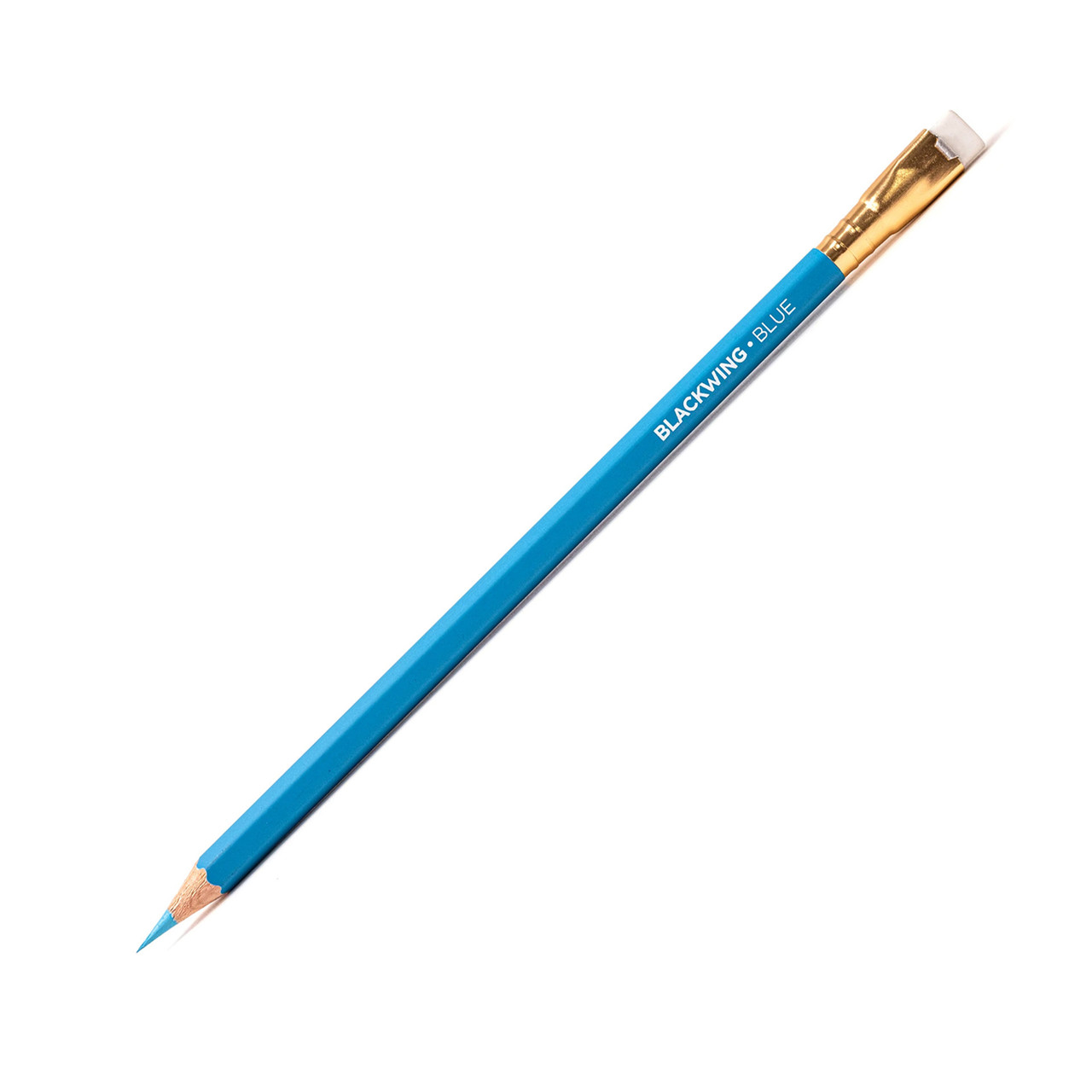



Discussion
Sign in to join the discussion.