Mark Wise's memorable teaching style blended humor and personal connections, leaving a lasting impact on his students at Caltech and Perimeter.
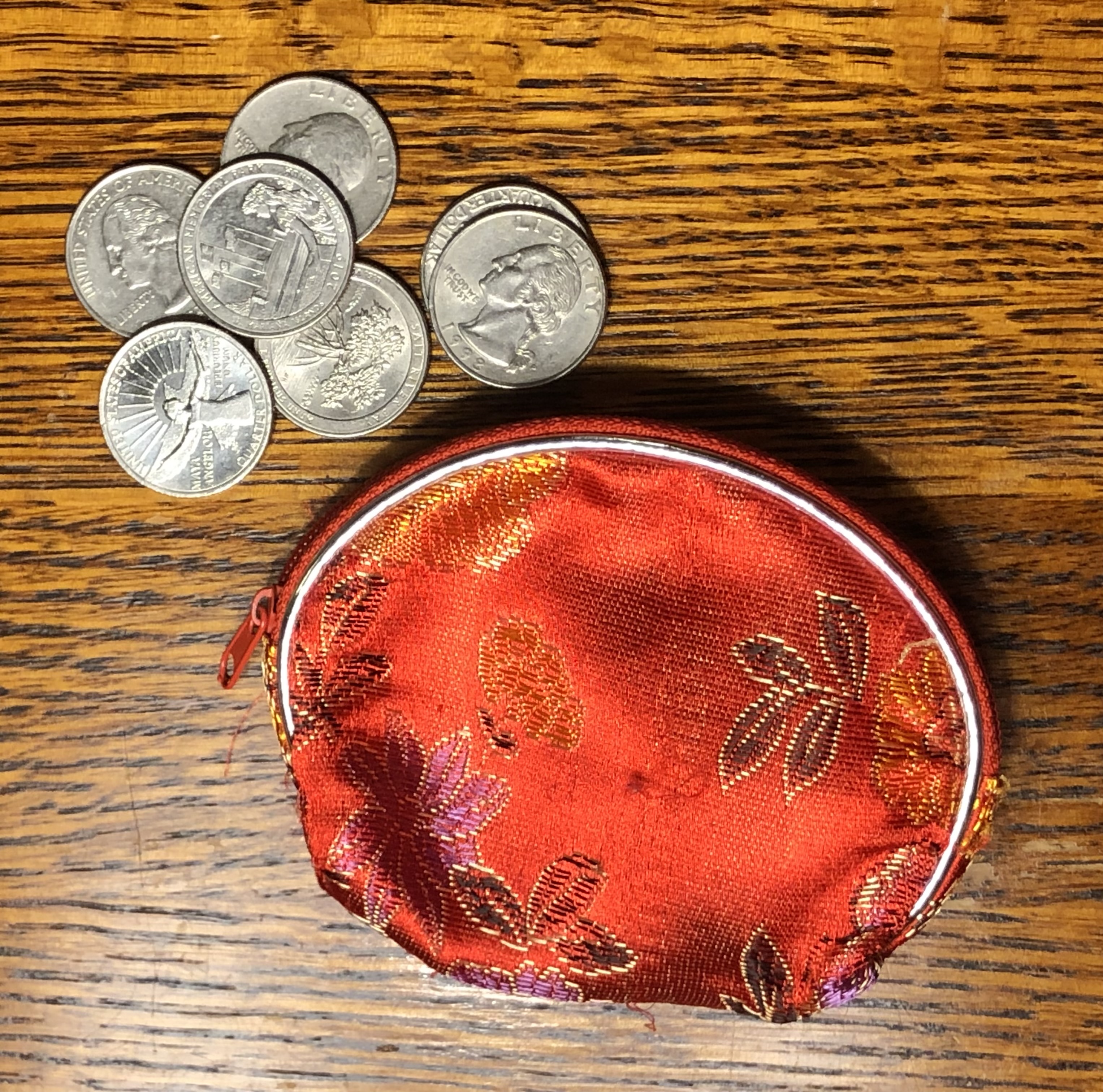
In a hidden corner of my closet lies a bag of quarters, a nostalgic reminder of my time learning from Mark Wise. These coins, while valued at only a few dollars, hold significance that surpasses their monetary worth, thanks to the lessons and memories associated with them. They symbolize more than just spare change; they represent a bridge between academia and personal connection, encapsulating the essence of mentorship.
Mark Wise: A Unique Educator
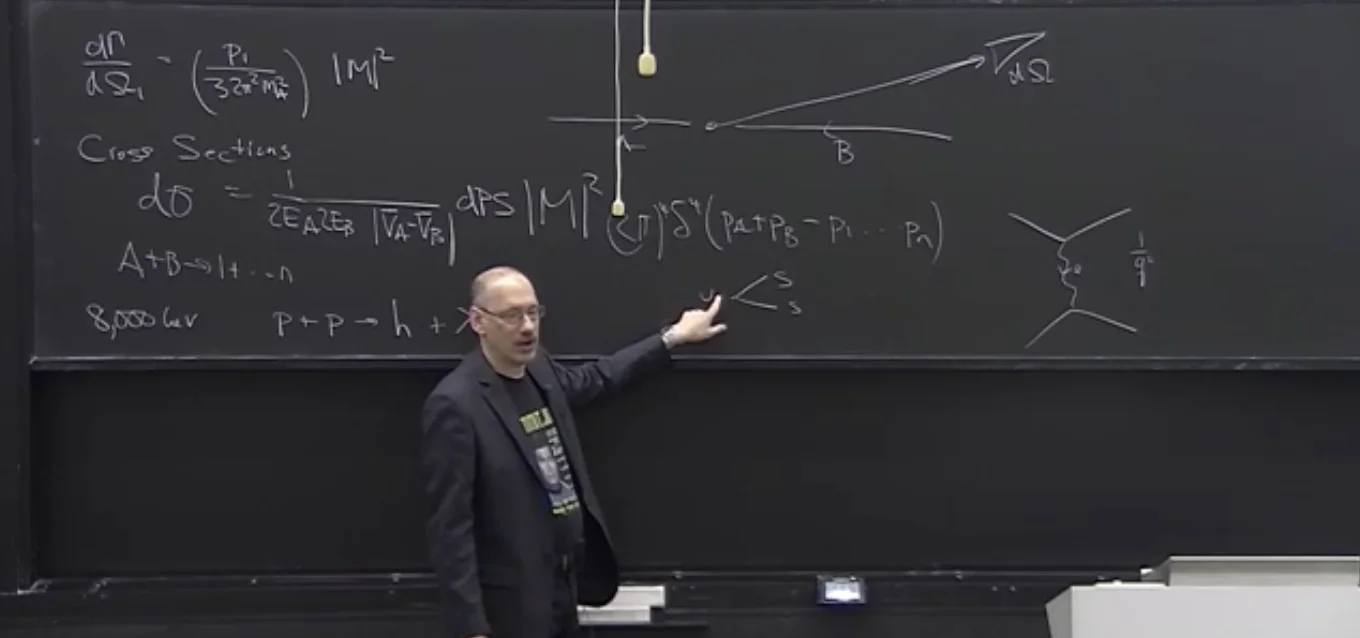
Mark Wise taught a course on the Standard Model of particle physics at the Perimeter Institute for Theoretical Physics, where I pursued my master’s degree. He was on loan from Caltech, his academic home, and being Canadian himself, he enjoyed the winter visits to his homeland. This blend of backgrounds made him especially relatable to students from diverse walks of life, creating an inviting atmosphere conducive to learning. His passion for particle physics was infectious, and it wasn't simply the content of his lectures that captivated students; it was the way he presented that knowledge that inspired many to dig deeper into the subject.
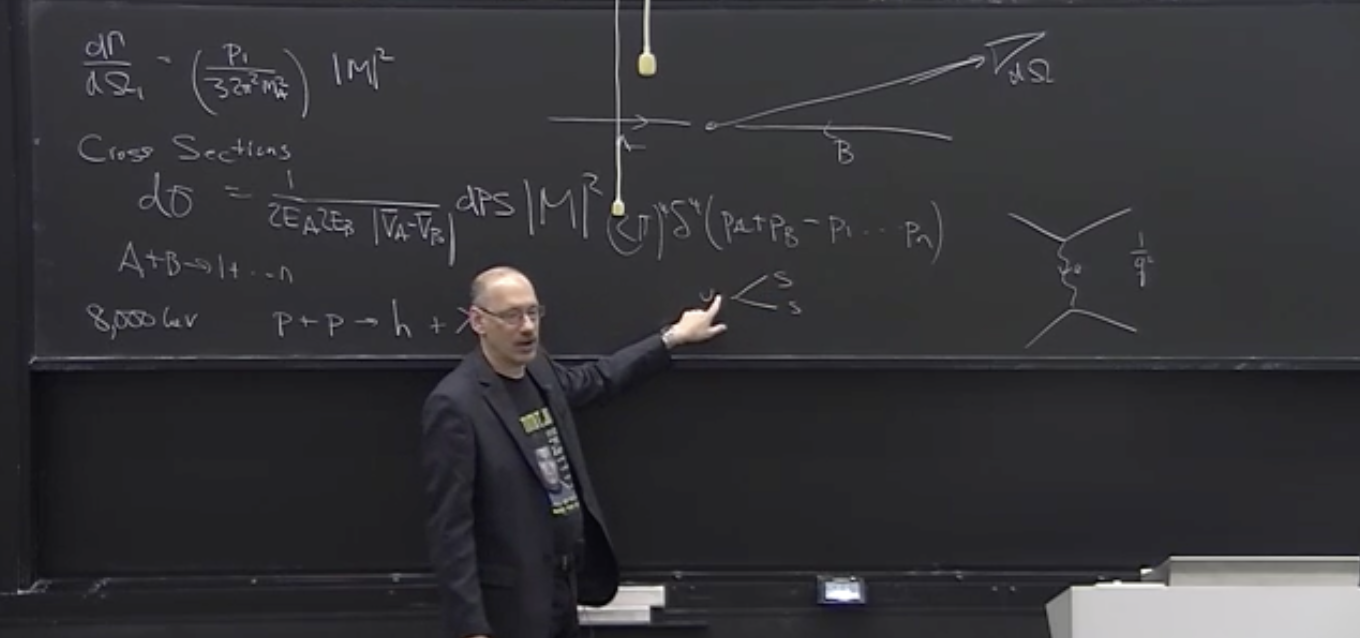
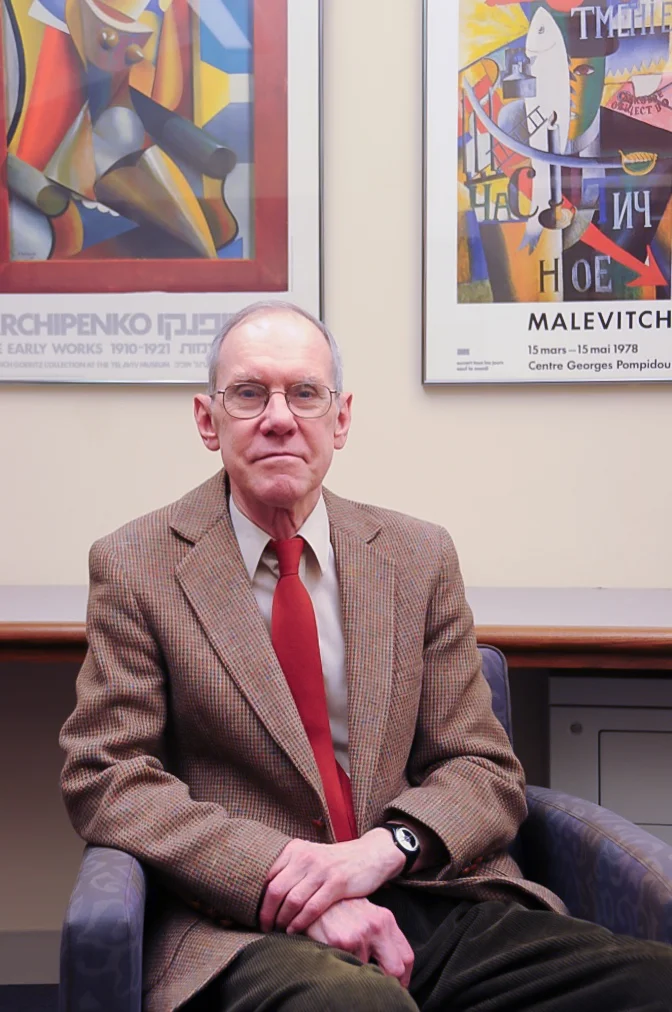
With his mild demeanor, Mark exuded an approachable charm, often making himself the butt of his own jokes. His signature look—balding with a mustache, glasses perched on his nose, and a T-shirt adorned with physics humor beneath a professional blazer—was complemented by a somewhat nasal voice that only added to his endearing presence. It made him seem more human, more relatable, rather than just an imposing scholar lecturing down to students. His lectures were engaging, characterized by a clarity that stemmed from his deep understanding of particle physics. This blend of humility and expertise created an ideal learning environment, one that many students fondly remember.
Engaging Beyond the Curriculum
What stood out most was his affection for his students. Mark sought to engage us beyond the curriculum, inviting early arrivals to chat about his eclectic T-shirt collection. The personal touch he brought to his teaching was pivotal. Perhaps it was a simple conversation about a physics concept or a discussion about the latest scientific advancements; these interactions made students feel valued. True to form, whenever a student posed a question or made an insightful comment, he'd flip a quarter in their direction—sometimes deliberating over whether it should be a Canadian or American coin. His playful musings on the coins’ mottos reflected his laid-back attitude, often contrasting them with the more serious state motto from New Hampshire, “Live free or die.” This approach helped to cultivate a communal atmosphere, one that encouraged dialogue and exploration.
Even when he ran short on quarters, Mark’s humorous lamentations about needing a bank run felt more like a quirky sidetrack than an actual complaint. It was his way of fostering an environment that made learning enjoyable. It wasn’t just about imparting knowledge; it was about creating cherished moments that students would look back on with fondness. That sense of humor and levity made a subject as complex as particle physics feel approachable and even fun, something that is often overlooked in academia.
A Connection That Deepened
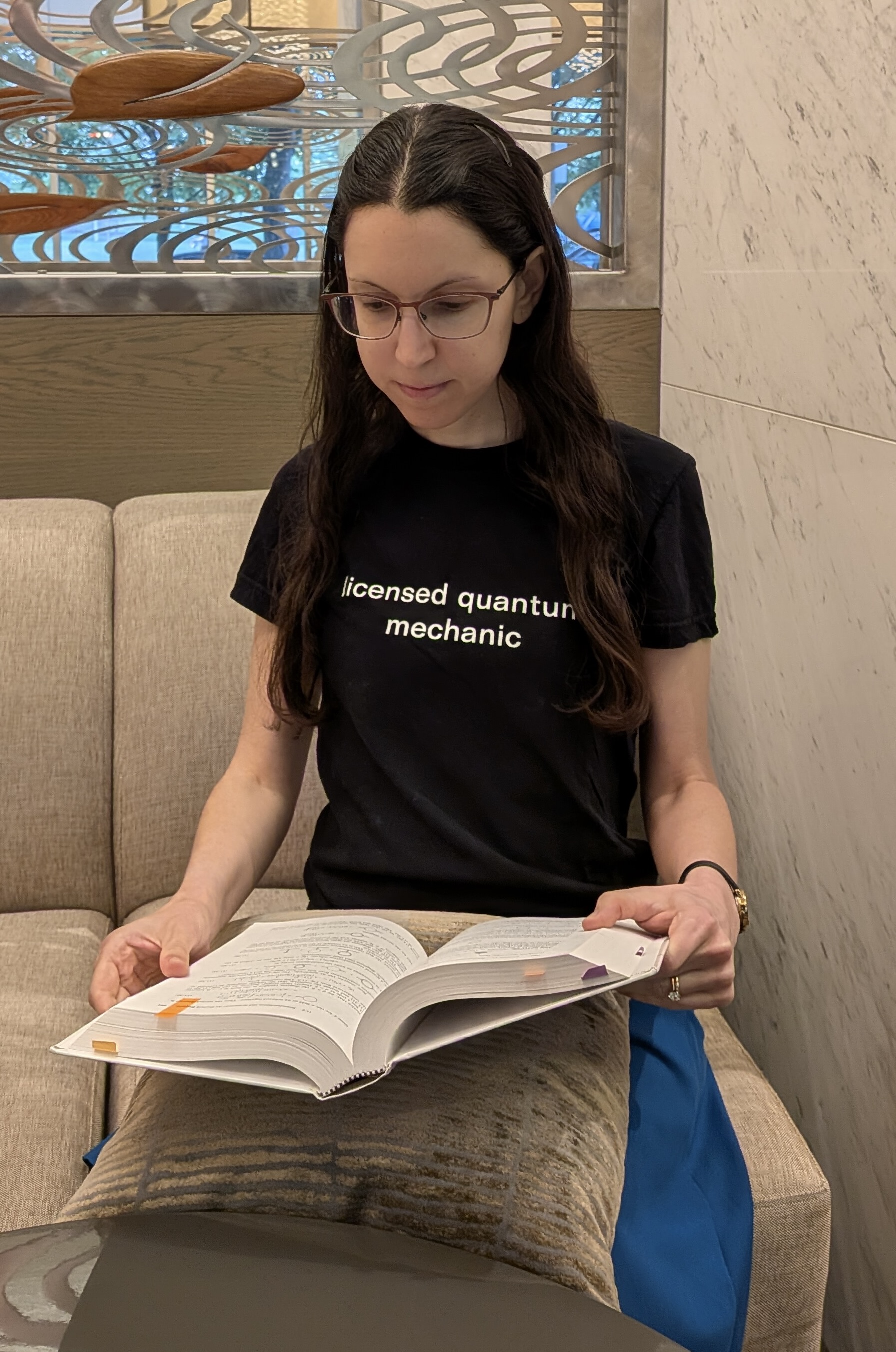
As time passed, my connection to Mark deepened further when I transitioned to Caltech for my PhD. I sat in on his quantum course, earning a 'Licensed Quantum Mechanic' T-shirt despite only attending part of the course. That simple shirt became a keepsake, tucked away and unworn, its value forever tied to the experience rather than mere fashion. This connection with Mark extended beyond just being a student; it became a defining part of my academic journey, illustrating how mentorship can impact one's professional life.
Cultivating a New Generation
Fast forward to 2024 and 2025, when I co-taught a course on quantum-steampunk creative writing. Drawing inspiration from Mark, I threw quarters to students for their participation and, adapting further, tossed Hershey’s kisses during discussions about energy in thermodynamics. This extension of Mark's tradition breathed new life into our explorations of complex concepts. In a time when many educators rely heavily on dry lectures, this method also proved effective at sparking student engagement. I had my own realizations about the value of excitement in learning, echoing Mark's principles in a different academic setting.
Reflecting on a Legacy
As my time at Caltech came to an end, I made it a point to bid farewell to Mark. Located among a group of high-energy theorists, his office required some searching, but the encounter was filled with his typical warmth and humor. The impact he had on his students was palpable, creating a network of scholars inspired by his passion for physics and life.
Sadly, Mark Wise passed away this summer. His colleague, John Preskill, honored him with a heartfelt eulogy published in a blog post. I learned through John's reflections that Mark had even graduated from tossing quarters to using dollar coins due to inflation—an ironic twist for someone who thrived on playful generosity. Mark would jovially refer to Caltech as “heaven for professors,” often raising an eyebrow as he mused whether it might also be heaven for students. And this is the part most people overlook: even in a highly competitive field like physics, the human connections formed in academic settings can profoundly shape careers and lives. I faced challenges during my time at both Caltech and Perimeter, yet I would characterize both institutions as quite heavenly too, largely because of mentors like Mark.
Significance and Future Outlook
Reflecting on Mark's influence highlights an ongoing challenge in education: maintaining an environment in which students feel encouraged to learn beyond exams and grades. Mark Wise's methods serve as a valuable reminder that academia doesn’t have to be an isolated endeavor. If you're working in this space, think about how you can take elements of his teaching style and adapt them to your context. The need for genuine connection in learning spaces is more important than ever, particularly in disciplines often perceived as dry or overly technical.
In a world increasingly dominated by technology and remote learning, the need to create personal connections is essential to fostering engagement and enthusiasm for even the most complex topics. Mark understood this intuitively, and his legacy can serve as a guide for educators who strive to inspire the next generation of thinkers—while still being slightly irreverent. What this means for you—and all those who remember him—could be the basis for a transformative approach to how we think about mentorship and teaching methods in science and beyond.

Discussion
Sign in to join the discussion.