Despite fears of mass layoffs due to AI, evidence indicates a stronger job market and a gradual integration of technology, requiring strategic workforce investment.
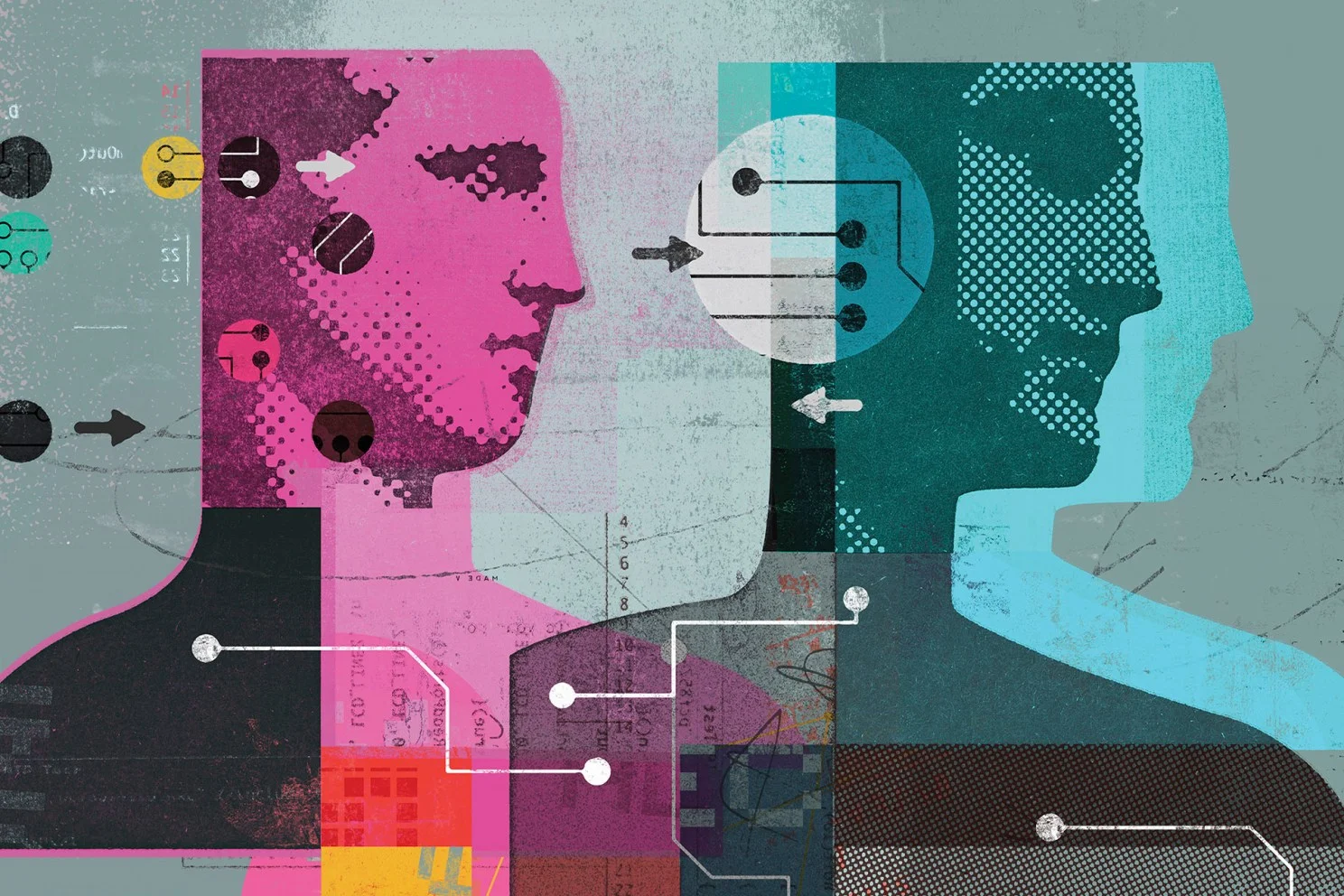
Understanding AI's Impact on Employment
Amid rising discussions about the potential of AI to disrupt job markets, a closer look reveals a nuanced picture. Headlines often depict an impending wave of layoffs attributed to AI, but recent data argues otherwise. The healthcare sector's growth has helped maintain a relatively stable unemployment rate at approximately 4.1 percent. In fact, some executives believe that AI could actually lead to an increase in entry-level hirings rather than a decrease.
Predicting the Future of Jobs
Doug Elmendorf, an economist at Harvard Kennedy School, suggests that the current labor market movements sparked by AI may not accurately forecast long-term shifts. His research, in collaboration with fellow economists, outlines various scenarios regarding AI's economic implications. These scenarios range from enhancing GDP with minimal job loss to a situation where faster GDP growth coincides with persistent high unemployment rates.
Elmendorf believes that while future job losses due to AI are likely, the majority of those affected will probably find new opportunities. He draws parallels with earlier economic shocks, such as the impact of cheap imports from China that led to the loss of millions of manufacturing jobs. However, he notes that the potential unemployment levels from AI could be significantly larger, with estimates suggesting 3 million jobs might be at risk at any given time throughout the coming decades.
Barriers to AI Integration in the Workforce
The hesitation among companies to bypass human workers stems partly from the challenges of implementing AI technology effectively. Joseph Fuller, a professor at Harvard Business School, highlights that approximately 41 percent of work tasks can now be automated or supported by AI technologies, but the transition has been far from smooth. His research suggests that many firms struggle with successful AI adoption due to ineffective training and unoptimized data usage.
Fuller observes that just about one-third of companies succeed with their AI initiatives. Without adequate training, employees often regard AI as merely an advanced search tool rather than a productivity-enhancing system. Consequently, this lack of effective use leads decision-makers to underestimate AI's potential, which could hamper wider adoption in the future.
Evaluating Executive Hesitance to Automate
Interestingly, executives may also be resisting the allure of AI as a solution to workforce problems. Raffaella Sadun, a business administration professor at HBS, describes how leaders are cautious about replacing human capital with technology, fearing a loss of valuable tacit knowledge that employees possess. The concern is that while AI can streamline operations, it could also jeopardize the organization's depth of experience and understanding.
At HBS’s Digital Reskilling Lab, efforts focus on retraining employees for new roles enhanced by AI, ensuring that human capital remains a strategic investment. Sadun emphasizes the need for companies to recognize that investing in their workforce is vital for cultivating knowledge and maintaining competitive advantage.
Reimagining Entry-Level Roles
In collaboration with companies, Fuller helps define modern job roles to prepare individuals for future workplace demands. He cites examples of restructuring entry-level positions, ensuring they encompass not just immediate tasks but also skill development relevant to higher-level roles. This dual focus on current work requirements and future growth prepares employees for evolving job expectations and market conditions.
Profit Motive vs. Workforce Protection
The ongoing tension between profit maximization and employee protection is palpable. While various stakeholders advocate for human-centered policies, Elmendorf points out that businesses typically prioritize cost-saving measures. Therefore, placing responsibility on companies to change their practices without a compelling incentive may yield only marginal results.
Proposed policy changes aim to offset potential job loss due to AI with systemic adjustments, including tax reforms and enhanced safety-net programs. Elmendorf calls for proactive measures, comparing this necessity to personal insurance—prepare for changes before they disrupt lives and livelihoods.
Conclusion: Preparing for Future Changes
The current state of AI in the workforce prompts a reevaluation of traditional roles alongside forward-thinking strategies. While fears of mass layoffs linger, a resilient job market combined with strategic investments in employee training could pave the way for a more balanced integration of AI into everyday business functions. As the situation evolves, the focus will remain on ensuring that both technology and human capital evolve in harmony.



Discussion
Sign in to join the discussion.