Earth & Environment Science
Geology, oceans, ecosystems and planetary earth systems research

How Future Lunar Colonists Can Farm Potatoes on the Moon
In the movie The Martian, Matt Damon’s character (botanist Mark Watney) finds himself stranded on Mars. With any rescue months away and food supplies dwindling, he decides to do what he does best—grow...

Are you ready for The Game?
Test your Crimson credentials ahead of Harvard-Yale’s 142nd faceoff
Mourning Manny, the Yard’s go-to guy for just about everything
Family, friends, colleagues pay tribute to longtime staffer known for solving problems and spreading joy
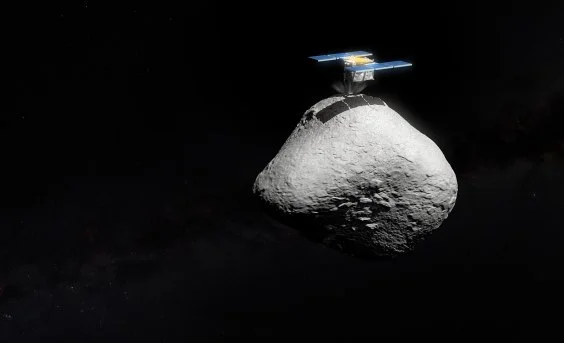
Hayabusa2’s Next Target, 1998 KY26, Is Too Warm to Hold Ice
A new temperature analysis rules out buried ice as the cause of 1998 KY26’s erratic acceleration. Hayabusa2 is set to reach the fast-spinning object in 2031.

Radio Pulses Every 7.9 Minutes Reveal a White Dwarf Orbiting a Sun-Like Star
A 32-hour binary system pairs a pulsing white dwarf with a Sun-like star, widening the search for long-period radio transients.
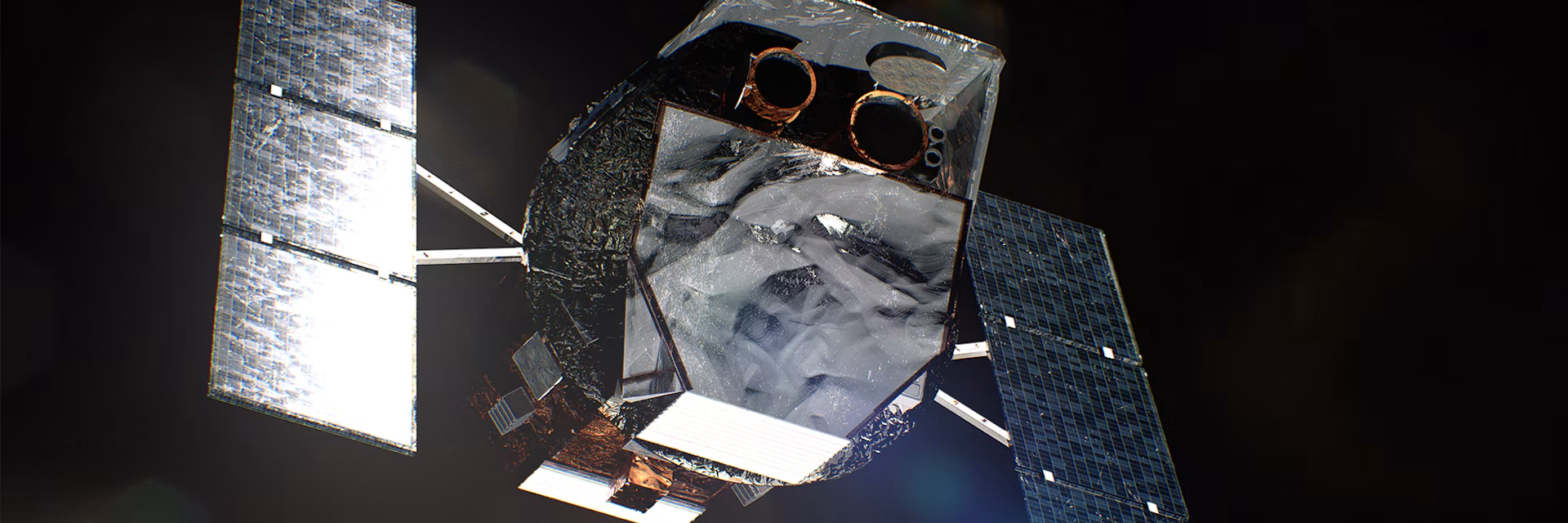
Swift's Rescuer Ran Dry Before It Could Save the Telescope
NASA's Swift telescope burned up after its rescue craft lost control and fuel. The failure shows how thin the margins are in satellite servicing.
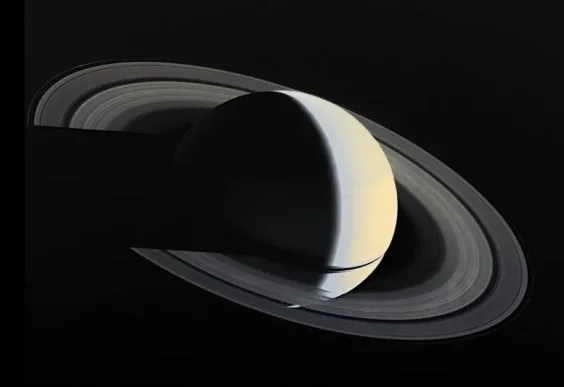
Voyager 1’s Saturn Flyby: Images That Redefined the Ringed Planet
Voyager 1’s 1980 Saturn flyby revealed the planet’s rings and moons in striking detail, including Titan’s hazy atmosphere and Dione’s icy terrain.
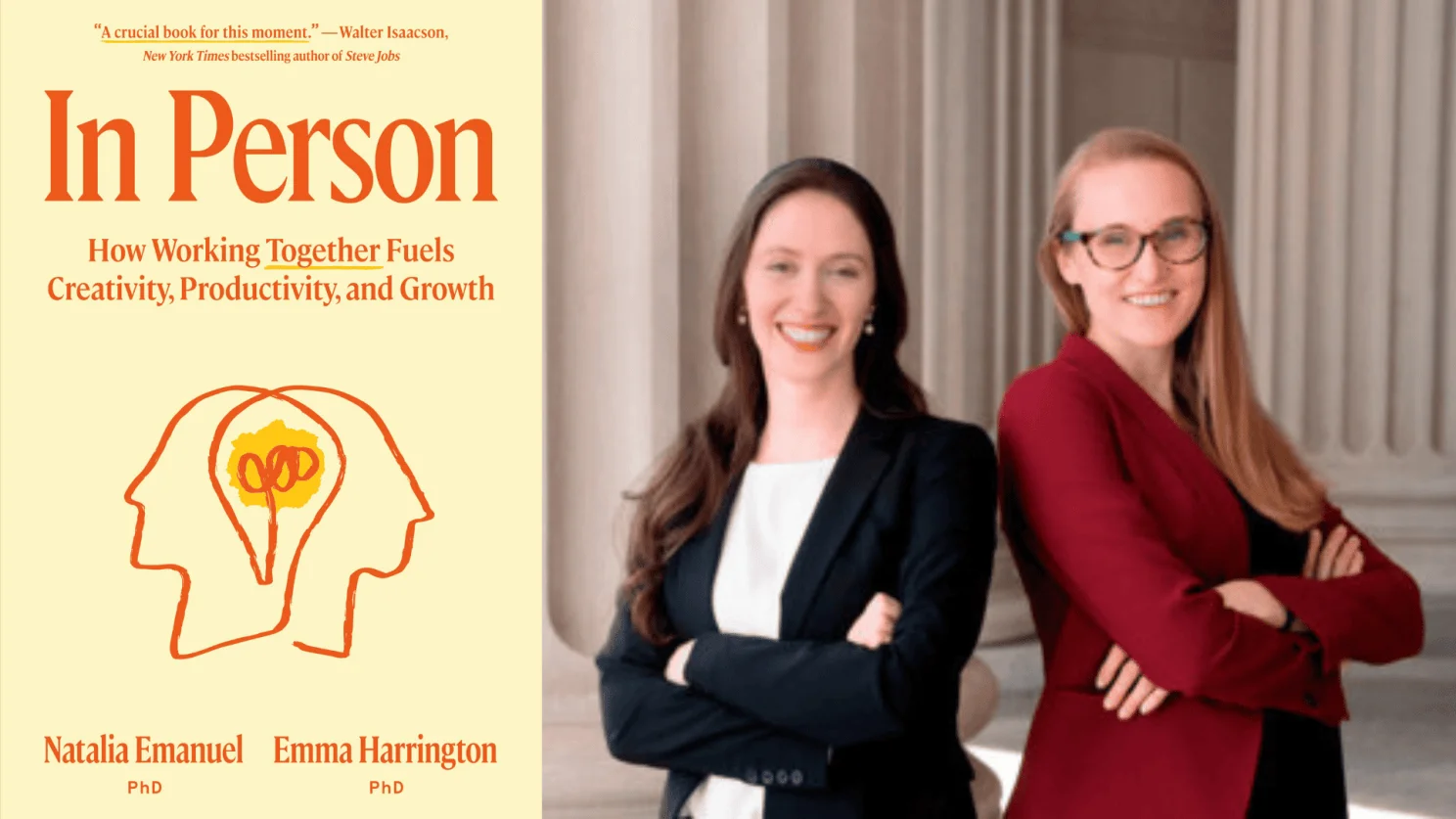
Remote Work vs. Office Collaboration: What Research Says About Proximity
Evidence links in-person contact to stronger collaboration and learning, while remote work offers real access benefits. The challenge is designing work around both.

Hubble and Webb Reveal the Cat’s Head Nebula in Three Kinds of Light
Hubble and Webb show how ultraviolet radiation, dust and young stars shape the Cat’s Head Nebula, about 7,500 light-years away.
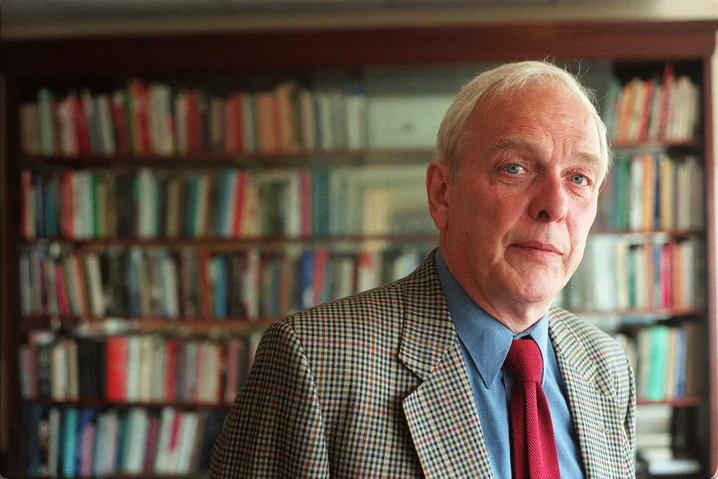
Aage Bøttger Sørensen’s Lasting Influence on Sociology and the Study of Inequality
Sørensen reshaped sociology’s study of opportunity, education and inequality, while mentoring generations of scholars at Harvard and beyond.

Five University of Michigan Researchers Elected APS Fellows
The five honorees span plasma physics, quantum materials, graduate education, propulsion and computational chemistry.
Crown-of-Thorns Starfish May Support Coral Diversity When Numbers Stay Low
At low densities, crown-of-thorns starfish may help slower-growing corals persist. Outbreaks, however, remain a major reef threat.
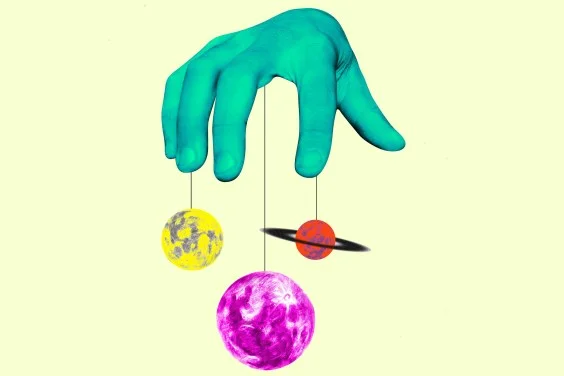
Igor Pikovski’s Graviton Detector Could Make Quantum Gravity Testable
A prototype aims to detect individual gravitons in gravitational waves, potentially turning a long-standing theory question into an experiment within 10 to 20 years.

Humid Heat Shifts Pregnancy Timing and Raises Termination Risk in Nigeria
A study links humid heat in Nigeria to more early pregnancy terminations and shifts in conception timing, with effects varying by region and social conditions.
Why Crocodile Ancestors Survived the Asteroid Impact That Ended the Dinosaurs
Climate models suggest warm equatorial refuges helped crocodile relatives survive the asteroid impact, while their long history reveals a lasting preference for warmth.
Australichthys Sea Muppets Reveal Seahorse Shape Evolved Twice
CT scans and DNA show that three rare Australian fish only resemble seahorses. Seven preserved specimens point to a separate, seldom-seen lineage.

White Dwarf’s Two Debris Rings Reveal a Possible Fate for Planetary Systems
A white dwarf 1,600 light-years away has two chemically distinct debris rings, offering clues to how planetary systems may break apart as their stars die.
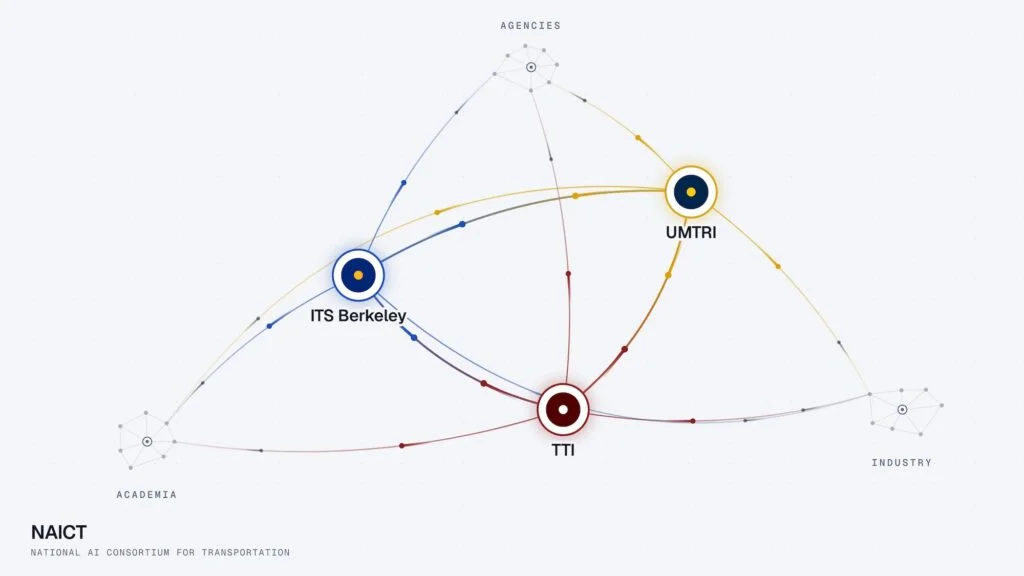
Transportation Research Consortium to Help Agencies Evaluate and Govern AI
Michigan, Berkeley and Texas A&M are organizing agencies and researchers to shape practical AI guidance for transportation operations.

How Rural Health Care Problems Become Political Stories
Hospital closures and high insurance costs can fuel partisan and racial blame, shaped by limited local news and national political narratives.
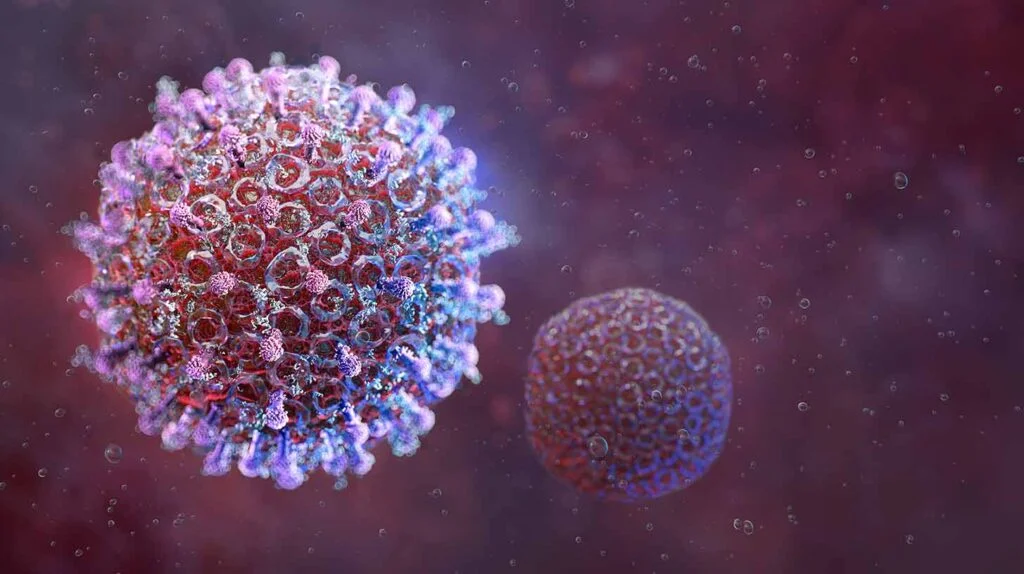
Valley Fever Immunity Study Targets a Major Gap in Disease Tracking
A five-year University of Michigan study will measure valley fever immunity as infections rise and vaccine candidates approach human trials.