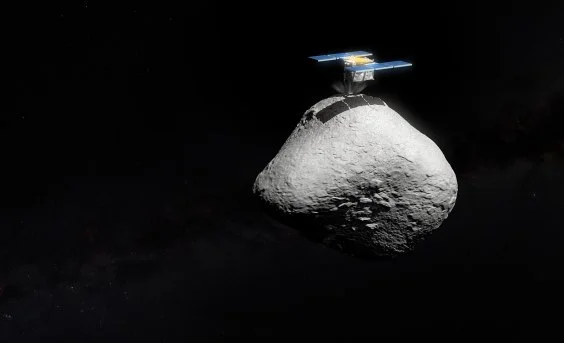
Hayabusa2’s Next Target, 1998 KY26, Is Too Warm to Hold Ice
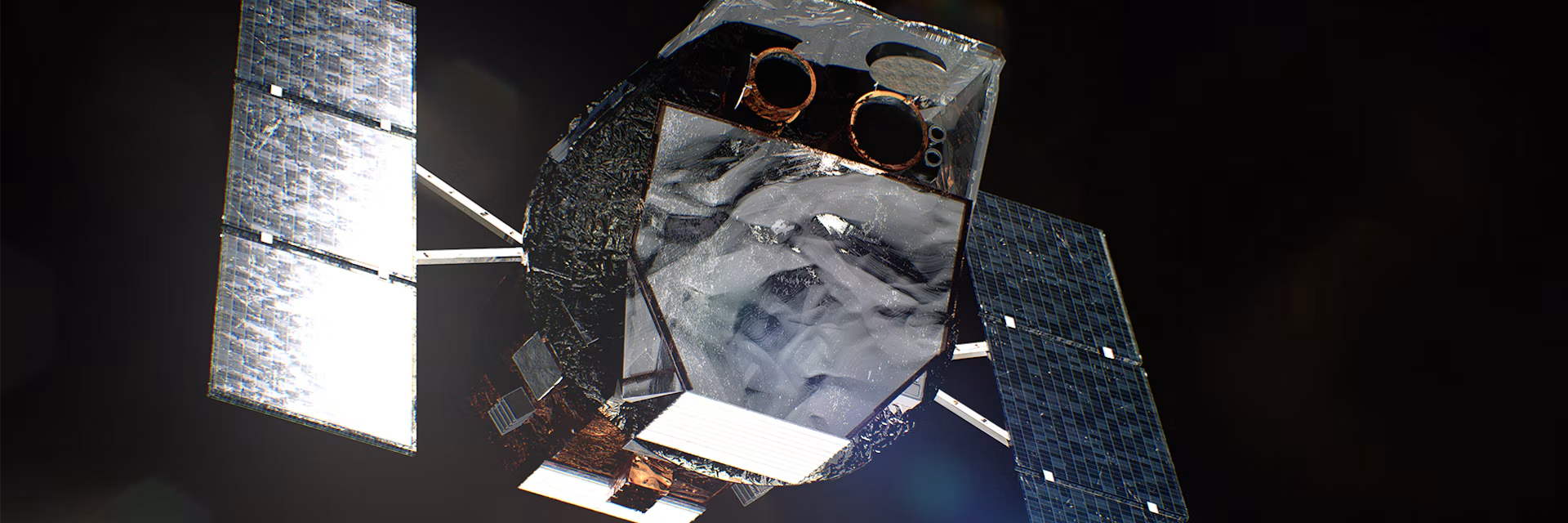
Swift's Rescuer Ran Dry Before It Could Save the Telescope
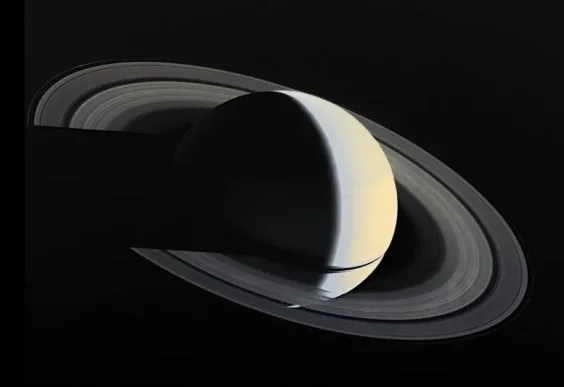
Voyager 1’s Saturn Flyby: Images That Redefined the Ringed Planet
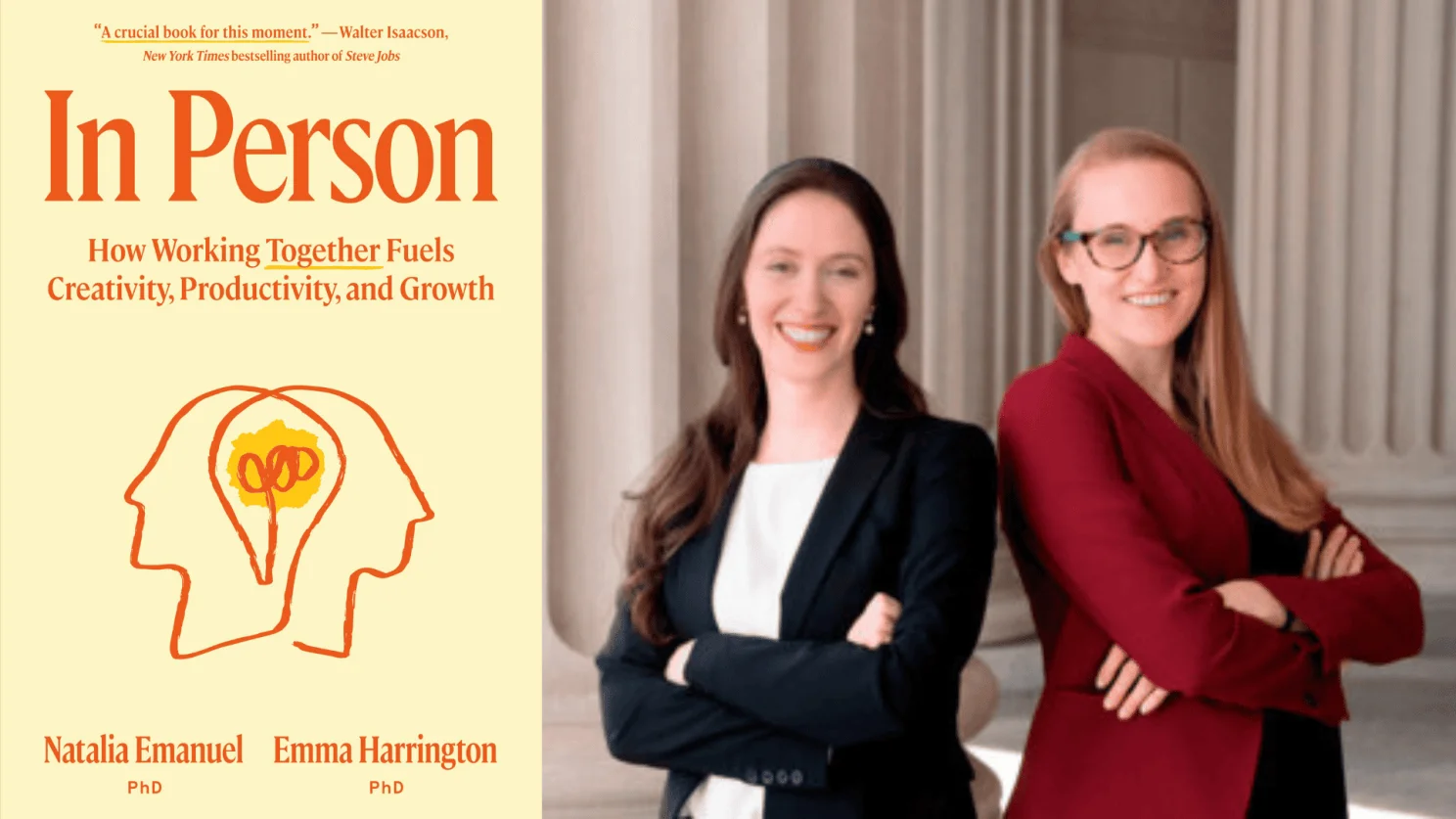
Remote Work vs. Office Collaboration: What Research Says About Proximity

Hubble and Webb Reveal the Cat’s Head Nebula in Three Kinds of Light
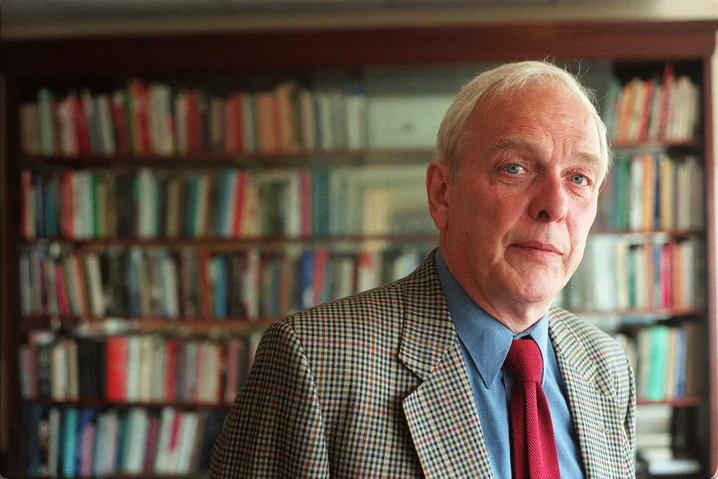
Aage Bøttger Sørensen’s Lasting Influence on Sociology and the Study of Inequality
Front Row
GRB 260310A’s Delayed Afterglow Outshone Its Host Galaxy
A gamma-ray burst spotted by Fermi produced an unusually bright afterglow, offering clues to how viewing angle can hide a jet’s true intensity.
Five University of Michigan Researchers Elected APS Fellows
The five honorees span plasma physics, quantum materials, graduate education, propulsion and computational chemistry.
Colin Camerer on Behavioral Economics and How People Make Decisions
Colin Camerer’s research shows how limits in reasoning, attention, and self-control shape economic choices and challenge assumptions of perfect rationality.
Crown-of-Thorns Starfish May Support Coral Diversity When Numbers Stay Low
At low densities, crown-of-thorns starfish may help slower-growing corals persist. Outbreaks, however, remain a major reef threat.
Igor Pikovski’s Graviton Detector Could Make Quantum Gravity Testable
A prototype aims to detect individual gravitons in gravitational waves, potentially turning a long-standing theory question into an experiment within 10 to 20 years.
Humid Heat Shifts Pregnancy Timing and Raises Termination Risk in Nigeria
A study links humid heat in Nigeria to more early pregnancy terminations and shifts in conception timing, with effects varying by region and social conditions.
Why Crocodile Ancestors Survived the Asteroid Impact That Ended the Dinosaurs
Climate models suggest warm equatorial refuges helped crocodile relatives survive the asteroid impact, while their long history reveals a lasting preference for warmth.
Australichthys Sea Muppets Reveal Seahorse Shape Evolved Twice
CT scans and DNA show that three rare Australian fish only resemble seahorses. Seven preserved specimens point to a separate, seldom-seen lineage.
White Dwarf’s Two Debris Rings Reveal a Possible Fate for Planetary Systems
A white dwarf 1,600 light-years away has two chemically distinct debris rings, offering clues to how planetary systems may break apart as their stars die.